Nuclear reactor

Uses uranium fuel cells to generate heat. The heat output increases when built next to other reactors.
Overview
The nuclear reactor is a power-generating building that produces heat rather than electricity directly. Its base thermal output is 40 MW, and when reactors are placed next to each other, each operating adjacent reactor adds a neighbour bonus that increases effective thermal output by 100% per linked side. In practice, this means two fueled reactors placed directly together with all three heat connections between them will produce 160 MW total, or 80 MW each.
The neighbour bonus is the key to using nuclear power efficiently, and reactor placement matters a great deal. The most practical arrangement is an aligned double row of reactors, which scales well and keeps all reactors eligible for bonuses. For even numbers of reactors, splitting the row reduces total output by 160 MW per split, so it is usually better to keep the layout continuous unless logistics demand otherwise.
- An odd reactor is best attached to one of the rows, rather than offsetting the longer row or placing it between the ends of two rows.
- A perfectly square reactor grid gives the highest theoretical bonus by minimizing unlinked sides, but it is impractical because there is no room to insert or remove fuel cells except manually.
- The gain from a square layout compared with a double row is relatively small, so the extra complexity is rarely worth it.
Because reactors produce so much power, even modest arrays are extremely strong. A 5×2 reactor grid produces 1,440 MW, equivalent to 1,600 steam engines or 24,000 solar panels.
A reactor must be fueled for the neighbour bonus to apply, and the bonus only works when two reactors are directly adjacent with all three heat connections linking them. This makes careful blueprinting important if the goal is maximum output. Heat pipes can carry energy through the array, but they also make tight layouts awkward to service if there is no open space around the reactors.
There is also a serious hazard: if a reactor is destroyed by damage while above 900°C, it explodes with the same effects as an atomic bomb. In Space Age, this can modify terrain, creating lava lakes on 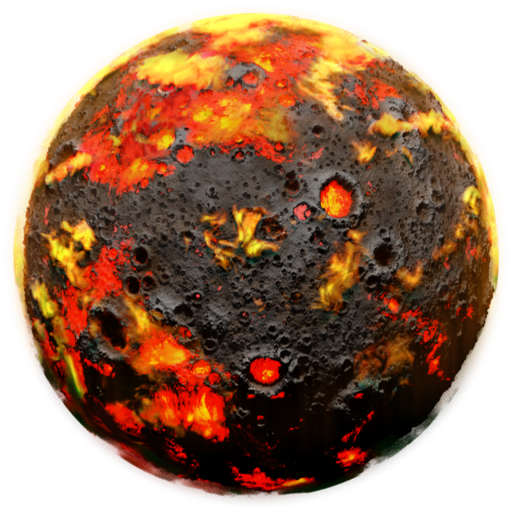
Official description
Uses uranium fuel cells to generate heat. The heat output increases when built next to other reactors.