Inquisitor's Key
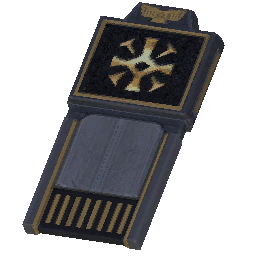
A key to many secrets, if not simply a key to a very hefty chest.
Overview
The
In practical terms the
- Treat the item as high-value: the wording implies it opens content worth seeking, so keep it in inventory rather than discarding.
- Test it against conspicuous large chests and sealed doors: the description explicitly mentions a heavy chest and numerous secrets, so obvious heavy or well-guarded containers are natural first targets.
- Use it in areas associated with lore, archives, vaults, or inquisitorial/authority themes: the name and description point toward places tied to secrets or official repositories.
- If the game signals special locks (unique keyholes, iconography matching the key, or quest prompts), prioritize trying the
- Preserve it until you encounter clear in-game prompts to use unique keys: since the item’s utility may be singular, applying it prematurely to a lesser container risks missing its main purpose.
Because the item’s description deliberately leaves its function open, players are encouraged to treat the
Official description
A key to many secrets, if not simply a key to a very hefty chest.
References to this (1)
Other entities of this type
- 1057 Paint
- Acid Coating
- Antethermite
- Anti-Fungal Gelatin
- Aquarium Cart
- Black Paint
- Blizzard Flask
- Blue Paint
- Bounce Coating
- Brown Paint
- Charging Flask
- Chef's Knife
- Cloak Scrambler
- Concussive Flask
- Construction Gauntlet
- Corrosive Flask
- Cyan Paint
- Decoy Watch
- Disruptor Coating
- Duct Tape
- Electromagnetic Coating
- Flashlight
- Foggy Coating
- GATE Defense Rune
- GATE NVGs
- GATE Security Key
- Gatekey (Tier 6)
- Geiger Counter
- Glitch Paint
- Glowstick
... +57 (see sidebar for full list)