Cafeteria Table
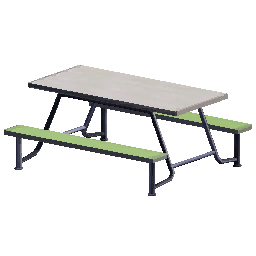
Great for sitting around and eating lunch with your pals. Well, before all this happened.
Overview
The
As a piece of set dressing, the
- Visual and narrative function: The table is used to convey normalcy and social routines. Placing several around a room suggests a busy communal area; an overturned or damaged one implies sudden departure or violence.
- Interaction expectations: Descriptions imply the table’s intended use for sitting and dining, so characters or NPCs positioned around it are read as social groups. If the game supports sitting or dining animations, the table naturally serves as a focal point for those interactions.
- Placement and level design: Use the
- Lore and collectible value: As an item tied to everyday life, it functions well in quests, environmental puzzles, or collectible sets that reconstruct the pre-event routine (for example, assembling a set of furniture from a former communal area).
- Atmospheric cues: Positioning lighting, sound (echoes, quiet clatter), and nearby graffiti or notes around the table amplifies the contrast between the ordinary purpose of the object and the surrounding ruin.
Treat the
Official description
Great for sitting around and eating lunch with your pals. Well, before all this happened.
Other entities of this type
- Abe Bobblehead
- Abstract Blue Painting
- Abstract Colors Painting
- Abstract Mountains Painting
- Abstract Triangle Painting
- Alarm Clock
- Alien Trophy
- Ammo Station
- Angler Fish Painting
- Arcade Rug
- Arcade Stool
- Arcade Table
- Armor Stand
- Armored Exor Figurine
- Armory Locker
- Arrival Bell
- ASO Ash Tray
- ASO Coffee Table
- ASO Lounge Chair
- ASO Neon Sign
- ASO Office Chair
- ASO Poster
- ASO Trash Bin
- Auto-Salvager
- Barrel
- Basketball Hoop
- Bench
- Big Hive Larva Figurine
- Big Larva Figurine
- Blue Bubba
... +233 (see sidebar for full list)