Concrete and Rail Supports Guide
If your factory is getting hard to move through, your rail lines need cleaner crossings, or you want better-looking paving for high-traffic zones, concrete and its rail-support variants are the tools to reach for. Start by unlocking the right tech, then build a supply line that can keep up with your paving needs, and only after that move into elevated crossings and specialized floor marking. This guide walks you through what to unlock, how to mass-produce the right tiles, and where to use each option so you can pave, mark, and bridge your base without fighting the terrain.
Unlock the paving and rail support techs in the right order
Your first goal is 
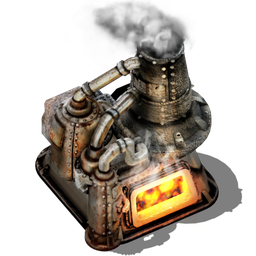
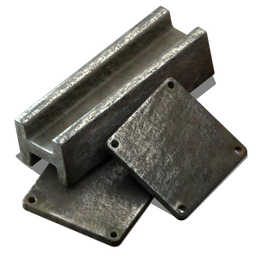


Treat Concrete as more than a cosmetic upgrade. It is the stepping stone to 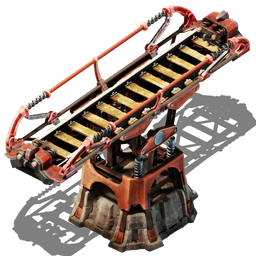
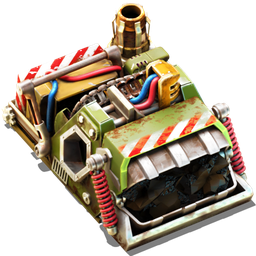



So the order to follow is simple: get Concrete first, then push toward Elevated rail if you know you will be crossing obstacles or want cleaner rail intersections. If you are still balancing your base, do not think of Concrete as optional decoration; it unlocks infrastructure that saves time later.
Set up a concrete supply line you can actually scale
Before you start paving whole districts, make sure you can feed 


Here is the practical choice: use the normal recipe early, then move to the Foundry route when your molten iron chain is mature enough to support it. The Foundry provides a fixed 50% productivity bonus to its outputs, and Foundry recipes can accept productivity modules in addition to that fixed bonus, so it becomes the better long-term option when you are scaling paving across a large base.
The real bottleneck is usually not the crafting machine, but the inputs. Keep Stone brick flowing, keep water available, and decide which resource is actually limiting you before you commit to one path. If stone is tight, the foundry route may still help you stretch output through productivity. If iron ore is your problem, the regular recipe may be easier to feed until your smelting and fluids are stronger.
One important side note: 

Quick reference for the core paving and rail-support recipes
| Recipe | Inputs → Outputs | Machine | Time |
|---|---|---|---|
|
|
|
10s |
| Concrete from molten iron | |
|
10s |
| Hazard Concrete |  |
|
0.25s |
| Refined Concrete |   |
|
15s |
| Refined Hazard Concrete |  |
|
0.25s |
| Rail Support |  |
|
0.5s |
| Rail Ramp |   |
|
0.5s |
Choose between concrete, refined concrete, and hazard variants for the job
Use the floor type that matches the job, not just the fastest recipe you can afford.
When you want a higher-end surface, move up to
For marking, use
Do not overthink the choice: use Concrete when you mainly need speed and coverage, Refined concrete when you want a cleaner road surface, and the hazard variants when you want strong visual marking or striping.
Lay floors efficiently and replace old paving without manual cleanup
When you are actually paving, work with the placement tools instead of fighting them. Select the tile item you want, then use the place action. The placement area can be increased and decreased with the plus and minus keys on the numeric keypad, so use a wide brush for roads and large factory blocks, then shrink it for corners, small maintenance lanes, and precise patches.
The big quality-of-life trick is that you do not need to clear old flooring first. When
If you need to remove flooring, hold any kind of path item and use the deconstruction or collect action. That returns the tile to your inventory, which makes upgrades and redesigns much less painful. Use this to standardize mixed flooring: pave over awkward patches, widen your roads, and convert high-traffic lanes in one pass instead of doing cleanup work twice.
Build elevated crossings with rail supports and rail ramps
Once your paving is in place, you can start building better rail crossings.
Build
Use 
That makes the correct building sequence very important: start the ramp on solid ground, then let it carry the line over the obstacle. Before you place anything, confirm you have those four supporting tiles and enough room for the elevated run. Also watch for tall blockers like big electric poles, because they can prevent elevated rail placement.
If you are crossing water or marshes, use Rail support and Rail ramp instead of landfill when possible. It is usually the cleaner, cheaper, and more scalable answer, and it keeps your terrain changes focused on the rail system instead of turning the whole shoreline into a construction project.
Pages featured in this guide
- itemConcrete
- technologyAdvanced material processing
- technologySteel processing
- itemLogistic science pack
- itemAutomation science pack
- technologyElevated rail
- technologyRecycling
- itemProduction science pack
- technologyAutomation
- itemChemical science pack
- itemProcessing unit
- itemStone brick
- itemIron ore
- fluidWater
- buildingAssembling machine 1
- recipeConcrete from molten iron