Timberborn Guide: Builds, Maps and All You Ask
2026-05-27
正在显示 en 版本的内容
You pick one of two beaver factions at the start. Both can win the game, but they play very differently.
Choose Your Faction:  人工尾 or
  铁齿
铁齿
You pick one of two beaver factions at the start. Both can win the game, but they play very differently.
人工尾 focus on farming and living in harmony with nature.
- They breed naturally inside lodges when there is extra housing space.
- Food production is strong and simple: efficient farmhouses, beehives, aquatic farms, gristmills, grills, and bakeries.
- Power comes early from water wheels and later from wind turbines + gravity batteries (no fuel needed).
- Housing uses double and triple lodges that work even in shallow water.
铁齿 loves machines and metal. How about you? 铁齿:
- They control population with breeding pods (you decide when to run them and supply berries + water).
- Food grows in compact, stackable hydroponic gardens.
- Power is strong with large water wheels, steam engines, and badwater systems that work even during droughts.
- Housing uses rowhouses (compact and good for aesthetics).
Which Faction Should You Pick First?
人工尾 feels more forgiving early on: 食物 is easier and the population grows automatically. 铁齿 shine later, when you want big automated factories and vertical cities. You can unlock the second faction after your first successful run. Switching is easy, just start a new settlement.
Essential Resources:  圆木, Food,
  水,
水,  科技点
科技点
In Timberborn, four resources keep your colony alive and growing: 圆木, Food, 水 and 科技点. Get these four right in the first 15 days and you will survive the first drought. Mess them up? Your beavers start dying fast.
圆木, The Foundation of Everything
圆木 are the most basic building material. You need them for almost every early structure — lodges, warehouses, dams, farms, everything.
How to get them:
- Place Lumberjack Flags on tree clusters (bigger groups means faster work).
- Beavers chop the trees and carry logs to the closest storage.
- Build a Log Pile or small Warehouse right next to your lumberjacks so haulers do not walk far.
Pro tip: Unlock and build the 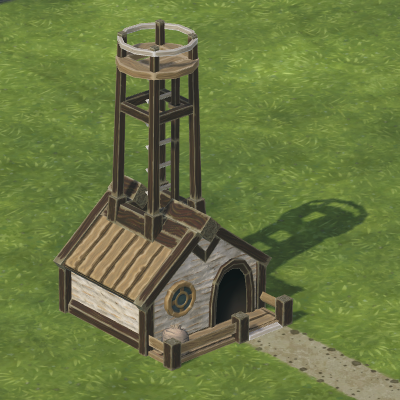 林业员 Hut as soon as possible. Natural trees grow back slowly. Foresters plant and maintain sustainable forests so you never run out of 木材.
Food to Keep Your Beavers Alive and Happy
Each adult beaver eats roughly 2.5 units of 食物 per day. During droughts, farms stop producing, so you must have big stockpiles.
- Place Gatherer Flags on blueberry patches. This is your fastest and easiest early 食物.
- Unlock the
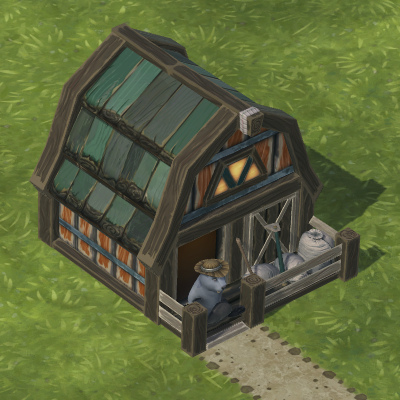 农舍 and plant carrots on arable land next to water. They grow quickly.
 - Build a
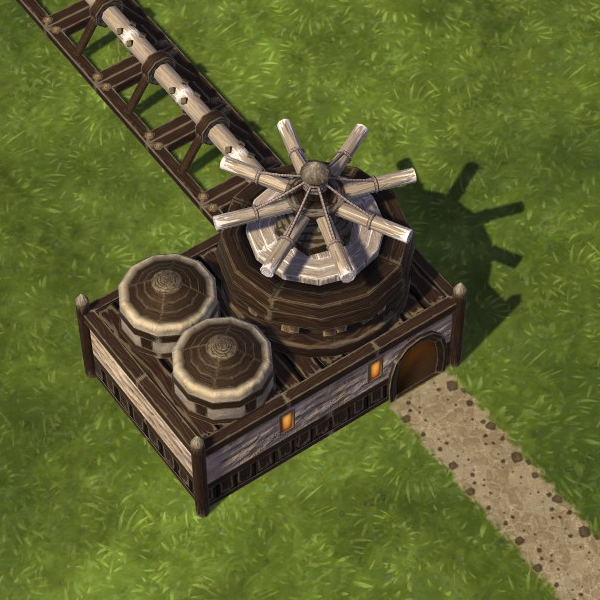 磨坊 +
磨坊 + 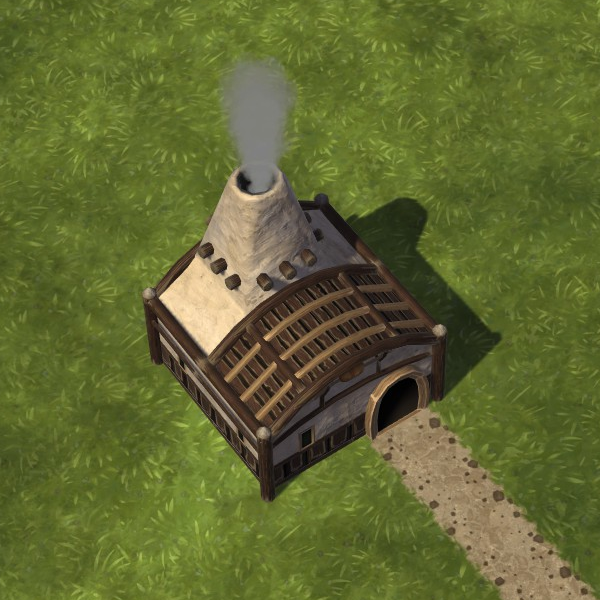 烧烤处 to turn carrots into Grilled
 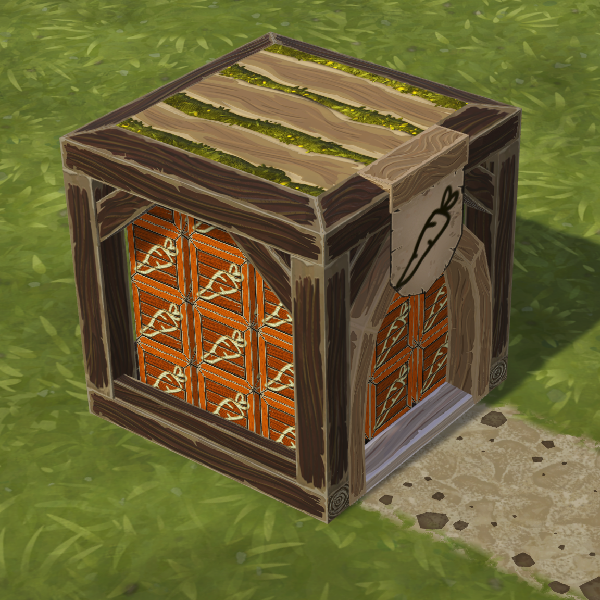 Carrots or simple bread.
Try to have at least two different 食物 types by day 15. This stops beavers from getting bored and losing happiness.
水, The Most Important Resource
In my Timberborn guide I call water life. A beaver without water dies much faster than one without 食物.
- Each beaver drinks 2–3 units of water per day (so plan for 3 to be safe).
- 水 Pumps pull clean water from flowing rivers or lakes.
科技点 and Unlock Progress
In this timberborn guide I’d say that research is your long term investment. Every new building and upgrade comes from 科技点 and I love upgrades!
What’s my suggestion? Start producing science on day 6 to 8 and never stop. A steady flow of points turns your small camp into a high tech beaver metropolis in a long run.
科技点 have no storage cap and keep generating even when you are away from the game. Below is a fast guide for your science development:
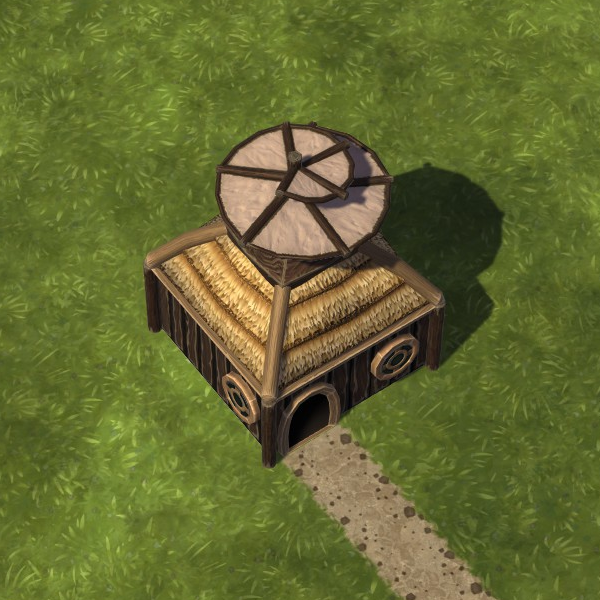 发明家 Workshop: Your first and cheapest science building. Assign 1 to 2 beavers and each produces about 1 point per hour.
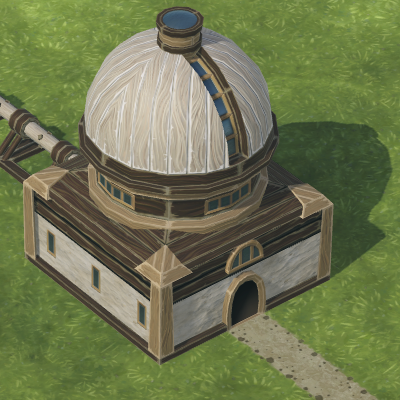 天文所: They are for mid game. Place it on high ground for extra output and big well being bonus.
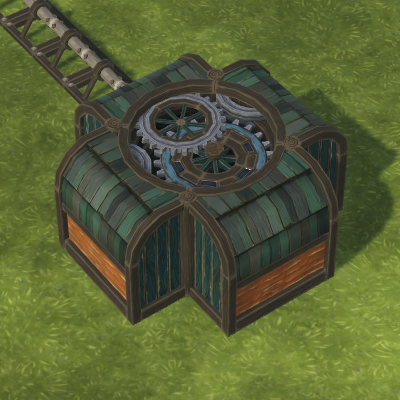 数字粉碎机: Powerhouse for late game. Needs power and metal but gives massive science.
As my experience in the game, there are some tips that my help you. Always have at least one beaver on science from day 8 onward. Build the next science building before you run out of points to research. And finally, add multiple Observatories and automate haulers to keep them stocked with paper and ink.
Timberborn Dams Guide
Start damming as soon as you unlock basic 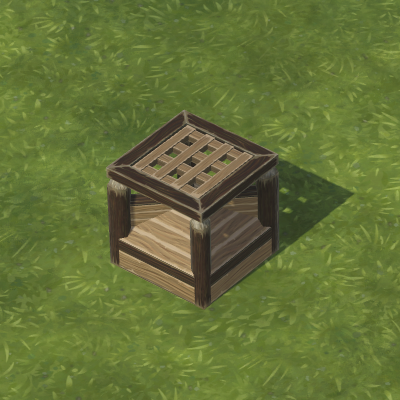 水坝 blocks
Simplest beginner dams guide is here: Find the narrowest spot on the river near your starting area. Build a straight wall of 水坝 blocks across the entire river. Place it 10 to15 tiles upstream from your pumps so you have room for a reservoir.
Dams block most water but let a little spill over the top. This creates a reservoir behind them while still letting some flow downstream for power and irrigation.
And there are Also some tools that I found in the game that can help managing water. Levees Block water completely. Use them to seal the sides of dams or create raised platforms for buildings.
 闸门 Adjustable height (1 to 3 blocks depending on type). Open them fully in wet season, close them before drought to save every drop.
Sluices that are in the latest version are Great for controlled release and badwater diversion. Place them low to drain specific areas.
Pro tip for you: Build your main dam in steps. Start low, test the water level and then add height. Beavers build faster if you set the dam to priority 5.
Surviving the Seasons
I know that my Timberborn guide won’t be completed without talking about seasons. The seasons are what make Timberborn special. Every run has a repeating cycle of wet periods and dry periods (oh, of course plus the occasional badtides).
The year is divided into cycles that get harsher over time.
- Wet Season: Rivers flow normally. Crops and trees grow fast. This is your building and stockpiling time.
- Drought: The river dries up completely. No natural water flow.
 农场 and forests stop growing unless you irrigate them from stored water.
And about Badtides that sometimes replaces a drought. They are toxic badwater floods in from special sources on the map. It contaminates land and water. Beavers that touch it get sick and can die.
Timberborn Food Guide
Food production is the second-biggest challenge after water in Timberborn 1.0. During droughts farms stop growing, so you need big stockpiles plus drought crops. Variety also matters — different foods give unique nutrition buffs that boost well being, making beavers work faster and live longer.
Creating Arable Land
You cannot just plant anywhere. Land must be flat and moist.
For 人工尾 (surface farming):
Clear grass and shrubs with the landscaping tool. Place Farmhouses directly on the ground. Keep the soil irrigated with Irrigation Towers or 3×3 water ponds made with  流体 Dumps.
For 铁齿 (vertical farming):
Unlock Hydroponic Gardens early. They need water piped in but work perfectly during droughts once filled. Great for compact cities and tall districts.
Housing and Population Growth
Housing is the engine of your colony’s growth in the game. Without enough space, your beavers simply will not have kits. Good housing also gives strong well being bonuses, which make beavers live longer and work faster. Get this right early and your population will snowball naturally.
Build your very first housing as soon as you have 10–12 logs (I Reached this around day 4–6).
How population grows
Depend on the faction you choose, managing 食物 works differently:
- Folktails: automatic and natural. If there is extra housing space and enough 食物 and water, adult pairs will breed on their own. You do not control it.
- Iron Teeth: you control it completely with Breeding Pods. Supply berries plus water to the pod and it produces kits on demand. This is better for precise population management in big automated cities.
Listen to me and grow your colony safely. Build housing before you need it and Keep 食物 and water stable. Add decorations near housing to make those poor animals happy. .
Buildings and Constructions
Timberborn Builds are a lot. The key is learning which ones matter when and how they connect to each other. Place them smartly from the start and your colony runs smoothly. Build in the wrong spot and you waste time and resources fixing it later.
In this table I listed the most important builds of the game. All at a one glance:
BuildingsFunctionLumberjack FlagPlace on tree clusters for fast logs.Gatherer FlagOn berry patches for quick 食物. 农舍 or Hydroponic GardenYour main 食物 source.磨坊 + BakeryTurns raw crops into better 食物 with higher well-beingForester HutBuilds sustainable forests so you never run out of logs. SawmillTurns logs into planks for advanced buildings.Workshop / MetalworksMakes gears, plates, and machine parts.Wind TurbinesExcellent on high ground, no fuel needed.Steam EnginesRun on badwater or charcoal, perfect during droughts. Gravity BatteriesStore extra power and release it when wheels slow down.
Timberborn Map
Timberborn 1.0 comes with 12 official maps plus a full map editor. Choosing the right starting map makes your first days in the game much easier. Later, scenarios and custom maps give fresh challenges and endless replayability.
These three maps are perfect for new players:
 绿洲: The absolute best first map. Plenty of trees, a reliable river, flat land for farms, and easy dam spots. First drought is gentle. Most YouTube tutorials use this map.
 湖泊: Slightly harder but still beginner-friendly. Multiple small lakes instead of one big river. Teaches you to connect water sources early. Great for practicing multi-district play.
- Mesa: Good for 铁齿 practice. High cliffs and flat tops encourage vertical building. 水 is scarcer, so you learn reservoirs fast.
Avoid The Arid or  峡谷 for your very first run. They are much drier and punish small mistakes harder.
Custom Map Tips and Map Editor Basics
Once you are comfortable, try the Map Editor (Main Menu → Map Editor). This is also fun.
Quick start for custom maps:
- Choose New Map then pick size (I started with Medium. Small and Medium are best for beginners).
- Paint terrain: Use the height tool to create rivers, cliffs, and flat areas.
- Add resources: Place tree clusters, berry bushes and stuff like these.
- Set water sources: Draw rivers and badwater vents.
- Save and test in free play.
You can download thousands of community maps from the Steam Workshop. I tried some and I say that some players are godlike creatures.
Custom maps are where Timberborn becomes truly endless. Many players spend more time in the editor than in actual gameplay once they reach 100+ beavers.
Automation and New 1.0 Features
The biggest new thing in 1.0 version is full automation. It turns manual work into something they call set-and-forget systems.
Some of the game elements for automation:
- Sensors for: water level, badwater contamination, storage fullness, power status
- Relays and Logic Gates: Connect signals to control anything
- Automated sluices and floodgates: Open or close based on conditions
- Hauler bots and smart distribution: Move goods without constant beaver walking
Simple example: Connect a Depth Sensor in your reservoir to floodgates. When water gets low, the gates open automatically. When the reservoir fills, they close. No more babysitting water every season.
Start small. Automate one floodgate or one factory first to learn how it works. Once you get the hang of it, you can run entire districts on autopilot.
Timberborn Guide for Better Creation
In the end, I’d say that Timberborn is much more than a simple city building game. It starts calm and relaxing, but quickly grows into a deep strategy experience where every decision matters.
Managing water, planning 食物 production, building efficient districts and keeping your beavers happy all work together to shape a successful colony.
Whether you choose the nature friendly 人工尾 or the industrial 铁齿, the key is balancing resources and preparing for droughts. With practice, smart dam building and good planning, you can turn even the driest wasteland into a thriving beaver civilization.
Timberborn Page on Steam
FAQs
Which faction should I pick first?
人工尾 with easier 食物 and automatic population growth better
What resources are most important?
圆木, Food, 水, 科技点 are the most important.
How do I survive droughts?
Store water in reservoirs; irrigate farms; use hydroponics (in 铁齿).
How does population grow?
人工尾 with automation in lodges. 铁齿 with using breeding pods.
Best early buildings?
Lumberjack Flags, 林业员 Hut, Gatherer Flags, Farmhouse/Hydroponics, 发明家 Workshop, basic 水坝.
How to manage power?
水 wheels, wind turbines, gravity batteries; steam engines for 铁齿
What are some beginner friendly maps?
绿洲, 湖泊, Mesa. Avoid Arid and 峡谷.