Lore & World Explained: Factions, Monuments, and Culture Guide
Timberborn is a post‑apocalyptic city‑builder where intelligent beavers inherit a ruined, drought‑scarred world and must rebuild a livable society. The game frames that premise through two playable factions with distinct philosophies, technologies, and aesthetics; faction choice shapes gameplay, buildings available, and the colony’s approach to survival.
The setting and premise
Humanity’s collapse has left the planet dry and hostile. Beavers evolved or adapted to these conditions, forming organized colonies that vie to restore living ecosystems and secure the future of their kind. The world is presented as a series of island‑like maps with rivers, reservoirs, cliffs and varied terrain; weather cycles and seasons affect resource availability and long‑term planning.
The factions: two visions for beaver society
Timberborn includes two core factions. Each answers the question “How do beavers survive and prosper after humanity?” in a different way.
-
- Philosophy: nature‑oriented, sustainable, community focused.
- Strengths: efficient farming and renewable power (windmills), natural population growth (breeding is handled via housing and natural reproduction), decorative and social buildings that boost needs like Knowledge and Aesthetics.
- Transport: Zipline system—high, above‑ground aerial transport introduced in later updates.
- Flavor: comfortable, pastoral visuals and buildings; their unique needs (Knowledge) and decorations (
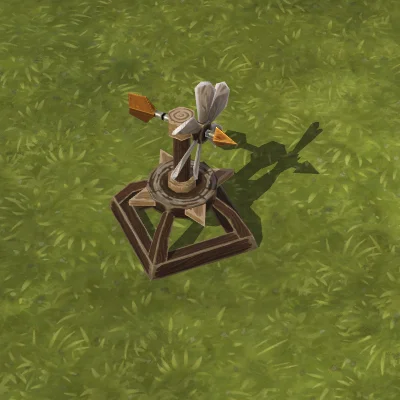 Wind Gauge) emphasize a softer, cultural playstyle.
-
- Philosophy: industrial, engineering‑driven, high‑density infrastructure.
- Strengths: fast, controllable population growth via Breeding Pod (an Iron Teeth‑only building that produces beavers on demand), compact industrial buildings (Engines,

- Drawbacks: heavier constant fuel and resource consumption (Engines consume wood regularly); play favors mechanical maintenance and resource logistics.
- Transport: Tubeway system—underground pneumatic passenger network suitable for flat, industrial colonies.
Faction choice is not cosmetic: it changes available buildings, mechanics, and long‑term strategies. You must select a faction when starting a campaign; a save is tied to that faction.
Beaver society and personalities
- Beavers are individualized by name and life stage but behave according to jobs, needs, and the colony priority system rather than unique personality stats. Names are procedurally generated and often whimsical (community‑popular names include “Ma' Ngonel”, “Guimer”, “Onager”/“Mangonel” and others used informally by players).
- Needs and Well‑Being: beavers have a set of needs (Basic, Vital, Essential, Optional).
 Folktails have an extra need category, Knowledge, satisfied by Books and library buildings. Aesthetics is a passive need improved by proximity to Decorations (statues, shrubs, flower beds, Wind Gauge). Some needs apply bonus effects; others do not affect kits.
 - Housing and population: Folktails breed naturally via housing, while Iron Teeth rely on engineered population control (

 Iron Teeth housing comes in forms like barracks and rowhouses and does not itself trigger reproduction.
Technology, energy and infrastructure
Timberborn’s world mixes low‑tech and invented industrial systems.
- Renewable vs. industrial power
- Folktails favor wind power and sustainable systems (wind turbines, irrigation towers).
- Iron Teeth use Engines that burn wood as fuel; Engines can consume significant amounts of wood when active, requiring steady forestry and supply chains.
- Storage and energy ideas appear in the lore (e.g.,
Ecology, resources and production
- Trees, bushes and crops are central resources. Forestry and replanting are critical to avoid long‑term depletion—especially when Engines require steady wood inputs.
- Farming and food production are essential; Folktails are strong early farmers while Iron Teeth scale food and housing through industrial means.
- Crafts and industries (smelters, metalsmiths, gristmills, fermenters, printing press and others) mirror historical technologies in simplified form; trivia in the lore connects these to real‑world analogues (for example, printing and milling history), reinforcing the game’s blend of whimsical post‑human industry and natural cycles.
Culture, decorations and flavor
- Decorations and named objects give colonies character: benches, statues, shrubs, Wind Gauge (a Folktails decoration), and ornamental fences increase Aesthetics and contribute to beaver well‑being.
- Many in‑game objects and buildings include flavor text referencing real‑world history and culture (songs, engineering trivia, and historical notes) that reinforce the game’s tone.
- Easter eggs and community lore: player communities have assigned unofficial names and backstories to beavers and images (Mangonel/Ngonel, Onager, Guimer, Ma' Ngonel, Ol' Kazko, Pina). These are not developer canon but are widely recognized by players.
World features and maps
- Maps are discrete challenges (Plains, Canyon,
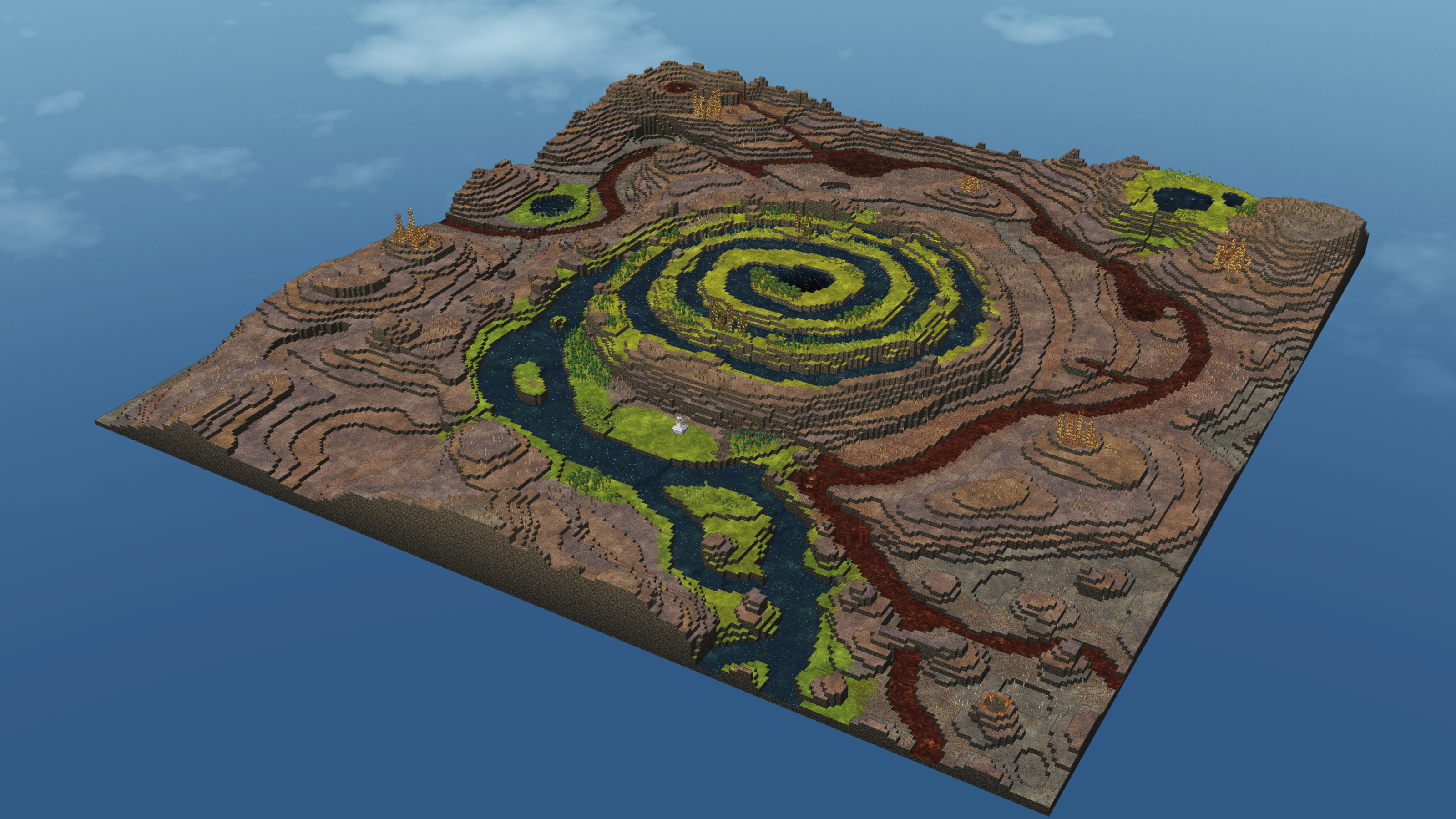
- Weather and seasons—games typically begin in Temperate conditions (pleasant, abundant), but beavers must prepare for droughts and changing cycles by stockpiling and infrastructure improvements.
History and updates (design evolution)
- Timberborn evolved through Early Access and multiple updates. Major additions included Bots (originally “Golems”), faction‑specific transport (Zipline/
- The game’s needs system has been overhauled into the current well‑being model to better reflect beaver happiness and behavior.
Tone and themes
Timberborn blends earnest engineering and resource management with gentle humor and folkloric storytelling. The central tension—surviving in a ruined, water‑scarce world—plays out through choices between sustainability and industrial expansion, community welfare and efficiency, nature and machinery.
This lore establishes the playable world: two competing beaver philosophies trying to answer how their species should rebuild civilization when the planet has run dry.