Bot Production: Gears, Parts, Ratios Guide
If you’re trying to start or expand a bot economy in Timberborn, the big question is usually not what bots do — it’s how to keep the parts flowing without clogging your colony.  Bot production depends on two different chains: gears from your Gear Workshops and bot parts from your Bot Part Factories, and the safest way to build it is to set up the gear side first, then layer in Bot Part Factories in balanced groups so your Bot Assemblers never sit idle.
Unlock the production chain you need before you place the factories
Treat bot production as a two-step logistics project, not a single unlock. Start by making sure you have the space and infrastructure for a Bot Part Factory, because it sits on a 3x3 grid of flat surface and cannot be squeezed into awkward leftover land. That matters more than it sounds, because if you plan the layout too early, you can strand yourself with unlocked recipes and nowhere sensible to put them.
It also helps to understand the historical timing so you know what you’re looking at in older plans and guides. The Bot Part Factory was introduced in Update 2, and it was originally called Golem Part Factory before being renamed in Update 3. The Gear Workshop has been around much longer; it was introduced in the Open Alpha, then Update 2 made it more practical by cutting gear production time from 6 hours to 3 hours. That change is a big reason gear production is worth setting up early instead of postponing it.
Before you place either building, ask yourself whether you already have enough wood handling to feed them. Bot production is won or lost on material flow, not on the buildings themselves. If your plank movement is shaky, fix that first; otherwise you’ll unlock the chain and then watch it stall for reasons that have nothing to do with production rates.
Start gears first so the rest of the chain has a steady base
Build your first Gear Workshop soon after your first Lumber Mills. That should be one of your early mechanical goals, because gears are the foundation for both construction and more advanced machinery, and you want them moving as soon as your plank supply is steady. The Gear Workshop converts planks into gears, so if your Lumber Mills are already running, you should turn some of that output into a dedicated gear stream instead of letting planks pile up without purpose.
Here’s the quick reference for the core parts of the chain:
| Item or building | Input → Output | Key stat | What to do |
|---|---|---|---|
 |
Planks → |
3 hours per gear | Start it early and keep it fed |
 |
— → 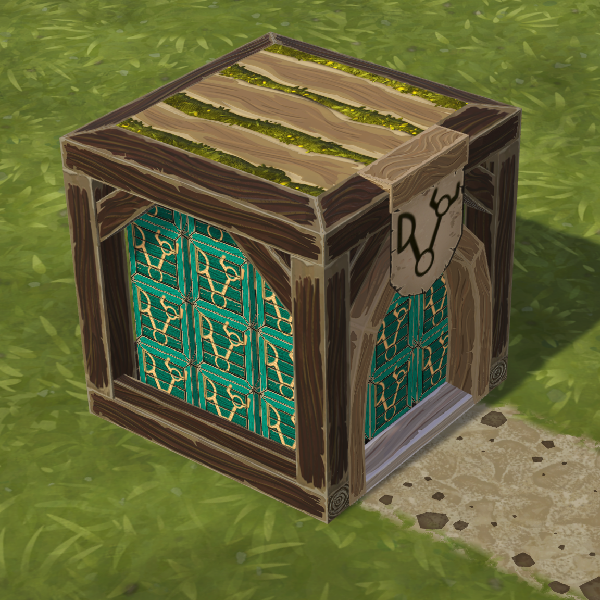 |
4 per work cycle | Dedicate the factory to Limbs |
|
— → 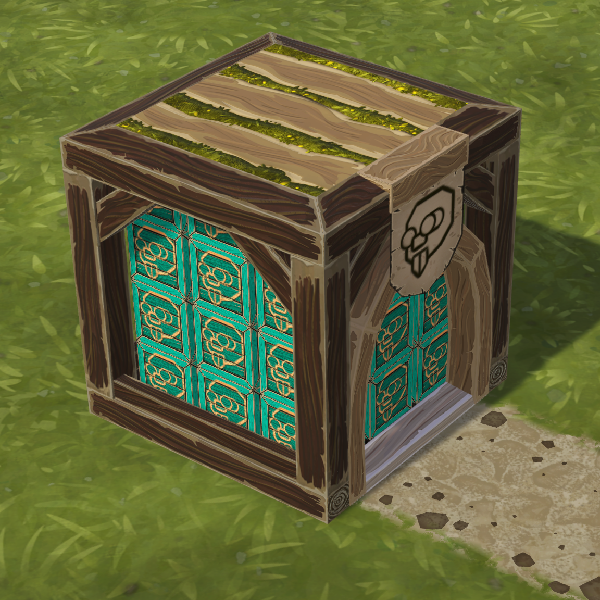 |
1 per work cycle | Dedicate the factory to Heads |
|
— → |
1 per work cycle | Dedicate the factory to Chassis |
The Gear Workshop has internal storage for up to 10 planks and 10 gears, which is useful for short interruptions. Use that buffer, but do not rely on it as your main stockpile. If you want gears to stay available for construction and machines, place a Medium Warehouse nearby so output has somewhere clean to go and transport does not choke the workshop. Put the workshop close to plank sources and your transport routes, because frequent hauling is what keeps the 3-hour cycle actually turning.
You should also keep an eye on gear consumption as your colony grows. Mechanical buildings and construction both draw on gears, so if you only think in terms of “one workshop is enough,” you’ll eventually hit a wall. Add storage and extra workshops together when demand rises, rather than waiting until the last minute.
Assign Bot Part Factories by part type, not by convenience
Do not expect one Bot Part Factory to flex between parts on demand. A single factory can only construct one type of bot part at a time, so you need to decide what each one will make before you place it or assign workers. The building can produce Bot Limbs,
That decision matters because the recipes do not come out at the same rate. In the same amount of work time, one Bot Part Factory produces either 4 
If you are just starting the chain, think in terms of dedicated roles. One factory makes Limbs, another makes Heads, another makes Chassis. That approach keeps the whole system predictable, and predictability is what lets your Bot Assemblers work without pauses.
Balance your factory mix to feed your bot assemblers cleanly
Use sets of three factories as your planning unit. One on Limbs, one on Heads, one on Chassis is the cleanest way to run the chain, because three factories set to different parts produce exactly enough parts to supply two Bot Assemblers, assuming the supply line is uninterrupted. That is the ratio you should build around, not something you need to improvise after the fact.
The main mistake to avoid is assuming an uneven output means you picked the wrong recipes. If your assemblers are short on parts, the likely problem is upstream: raw materials are not reaching the factories, worker assignment is off, or transport is bottlenecking the whole chain. Before you add more production, check the flow into the factories. In most cases, the recipe balance is already fine; the delivery system is what needs attention.
A good rule is to scale in balanced blocks. When you add more Bot Assemblers, add more Bot Part Factories in groups of three, and make sure your gear supply grows alongside them. That way you keep the chain proportionate and avoid creating a new shortage just by solving the old one.
Scale the chain in step with demand and keep storage near the bottlenecks
Expand bot production only when the next stage of demand justifies it. If you add Bot Part Factories before your Bot Assemblers can use the parts, you are just creating extra pressure on your logistics network. If you add Bot Assemblers without enough gears and bot parts, they will wait. The safest growth path is to scale the whole chain together: more Lumber Mills and Gear Workshops for the gear side, more Bot Part Factory sets for the part side, and enough warehouses to keep both moving.
Keep in mind that the Gear Workshop’s internal storage helps only for brief gaps. It is not a substitute for a real stockpile, and it should not be treated like one. If you want steady bot production, your storage should be near the bottlenecks: gears near the workshops and construction demand, and bot parts near the assemblers. That reduces hauling time and makes it much easier to see where a slowdown actually starts.
When bot output starts to lag, do not immediately panic and overbuild. First, verify that the workshops are fed, the workers are assigned, and the transport network is not backing everything up. If those parts are healthy, then increase production in the same balanced pattern you started with. That is the cleanest way to keep a bot economy growing without turning your colony into a pile of half-finished parts.