Refinery Biofuel: Best Crop Choices Guide
If your Folktails colony is running short on fuel, sitting on useful crops, or you need a cleaner way to support late-game production, the Refinery is the building that turns farm output into something much more valuable. Start by wiring it into your farming and storage network instead of treating it as a standalone industry piece. Then decide which recipe solves your real bottleneck: renewable fuel, the best crop-to-fuel ratio, or the chemical output you need for advanced chains and emergency care. This guide walks you through what to prioritize first, how to keep the inputs flowing, and how to decide whether you should be feeding it Carrots, 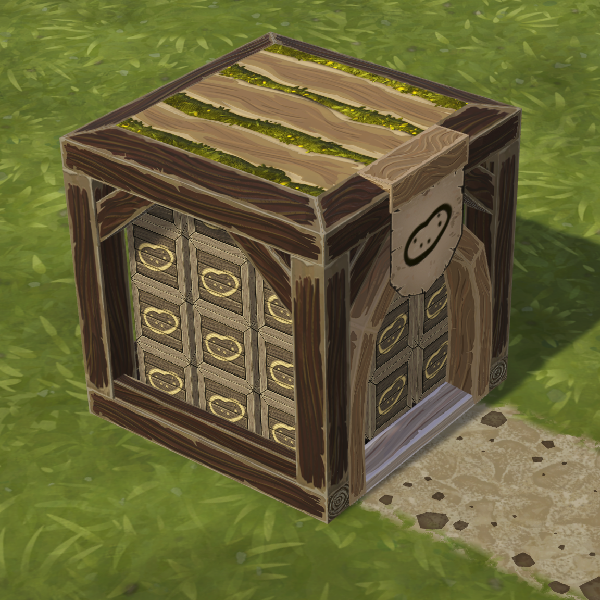
Unlock and place the Refinery where your inputs are already moving
The Refinery is a Folktails production building, and you should plan it like one. It converts agricultural and botanical goods into Biofuel, 
Build it close to where the input goods already pass through. A warehouse between your fields and the Refinery works especially well, because it shortens hauling trips for bulky crops and keeps the input buffer from drying up. The point is not just convenience: reducing travel distance increases effective throughput. Treat the Refinery as part of your supply chain, not a standalone building.
Before you scale up, make sure the surrounding district can actually support the recipes you want. If your colony is still reorganizing its farms, hold off on overbuilding Refineries. One well-supplied building is better than several idle ones.
Set up the simplest Biofuel line first
The best place to start is the Biofuel recipe you can feed consistently. For Folktails, 
Here is a quick reference for the core Refinery recipes:
| Recipe | Inputs → Outputs | Machine |
|---|---|---|
|
2  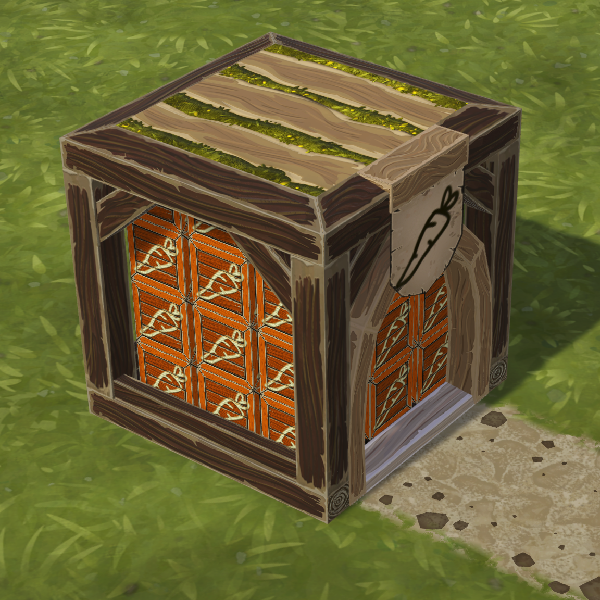 |
|
|
1   |
|
 |
2 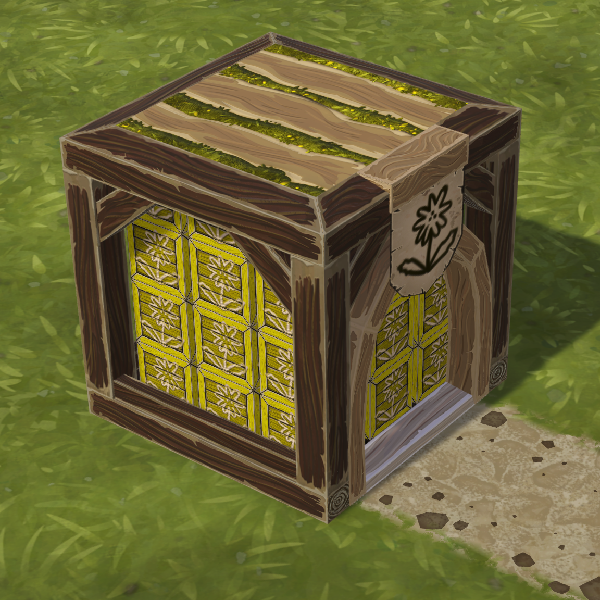 |
|
Do not start the Carrot-to-Biofuel line unless you have Water covered. Because the recipe consumes Water, you need to plan irrigation or hauling from day one, or the whole chain will choke. If your Water supply is unstable, fix that before you commit workers to fuel production. Once the line is stable, Biofuel becomes a valuable way to free up Logs for other needs, especially construction and smelting.
Choose the right crop for the bottleneck you actually have
Once the basic fuel line works, your next decision is which crop should feed it. Do not choose based on the biggest-looking output alone. Choose the crop that matches the shortage your colony is actually feeling.

Use this rule of thumb: if land is the scarce resource, lean into Spadderdock. If the Refinery is the scarce resource, lean into Potatoes. If you already have Carrots in bulk and Water is easy to move, Carrots are fine for a first fuel line or a temporary bridge while you expand.
The important thing is that the Refinery processes one recipe at a time. That makes crop choice a throughput problem, not just a production problem. If you split inputs too widely, you dilute your logistics and end up with one building that never quite stays busy.
Keep the Refinery supplied so it doesn’t sit idle
Downtime is the real enemy of the Refinery. A building that has the right recipe but no inputs is just wasted work time, so you should build the logistics first and the extra production second. Keep the input crops near storage, keep storage near the building, and keep transport routes short enough that haulers can cycle continuously.
This matters even more for bulky inputs like Carrots,
Also remember that each recipe uses dedicated inputs. You are not building a flexible all-purpose machine here; you are building a production node that works best when fed with a steady, narrow stream. Keep nearby warehouses stocked, and do not spread inputs so far apart that your beavers spend the day hauling instead of producing.
Use Catalyst and Antidote when your colony reaches hazardous or advanced chains
The Refinery complements other processing buildings and should be integrated into your production clusters alongside farms, warehouses, and transport routes to avoid production stalls. When you approach it that way, you get more than fuel: you get a clean bridge from agriculture into late-game chemicals and colony safety.
The crop choice that wins you the most
If you want the shortest answer possible, use this:
That is the whole decision. Build the supply chain first, keep the inputs close, and only then scale the Refinery up. If you do that, the building stops being a side project and becomes one of the most useful parts of your Folktails economy.