Wiki Guide: Boss Progression, Crafting & Base Strategy
Terraria is a 2D sandbox action-adventure game focused on exploration, crafting, building, and combat; its mix of procedurally generated worlds, progression through ore and bosses, and deep crafting systems makes understanding core mechanics and milestones essential for efficient play.
Overview and goals
- Start by establishing a safe base with crafting stations and NPC housing; housing attracts NPCs that provide services and items.
- Progression is driven by ore tiers, equipment upgrades, and boss encounters. Defeating bosses unlocks new resources and crafting options, while events provide unique drops and challenges.
World generation and biomes
- Worlds are procedurally generated with surface, underground, cavern, and underworld layers. Special biomes (Corruption/Crimson, Hallow, Jungle, Desert, Snow, Underground Desert,

- Ore placement scales with world size; deeper layers and hardmode introduce new ores and threats.
Crafting and stations
- Crafting is central: combine materials at the appropriate crafting station (e.g.,


- Crafting 101: craft a set of basic tools (pickaxe, axe, sword) and a furnace/forge early. Upgrade to higher-tier anvils and furnaces as new ore becomes available.
- A recommended early setup includes a Work Bench, Furnace, Iron/

Mining and resources
- Efficient mining: dig horizontally and vertically to expose ore veins; use platforms and light sources to reveal useful pockets.
- Progress through ore tiers: surface ores → underground ores → Hardmode ores (after mechanical bosses and Wall of Flesh). Upgrade pickaxe power appropriately to mine new tiers.
- Farming resources: trees, mushrooms, and other renewable materials can be farmed and replanted for long-term supply.
Combat and weapons
- Weapons have distinct classes: melee, ranged, magic, summon (minions), and thrown. Choose gear and modifiers appropriate to your preferred playstyle.
- Early-game common boss encounters include Eye of Cthulhu and King Slime; their defeat yields materials to craft stronger items.
- PvP: specialized rules and setups apply; gear and arena design heavily influence outcomes.
Bosses and event encounters
- Bosses mark major progression. Typical pattern: pre-Hardmode bosses →

- Events (e.g.,
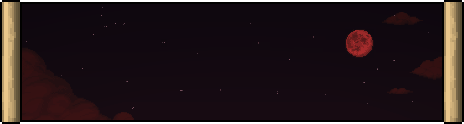
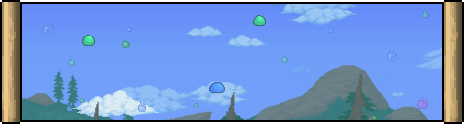
- Each Pillar and event has recommended gear and drop tables that yield endgame materials.
NPCs and housing
- NPCs provide goods and services; to attract them, build valid houses (minimum size, walls, light source, chair, table, door, and background wall).
- Different NPCs have specific unlock conditions (player progression, items, or world states).
Base design and utilities
- A practical base features dedicated crafting rooms, secure NPC housing, storage, and boss arenas.
- Efficient layout: central crafting hub with easy access to specialized stations, a potion/forge area, and proximity to storage chests for material cycling.
Farming and accessories
- Accessory progression is crucial: mobility and defense accessories (e.g., wings, boots, shields) drastically change combat and traversal.
- Accessories can be reforged (Modifiers) to tailor stats for damage, speed, critical chance, or defense.
Events and special mechanics
- Goblin Army and other invasions: spawn waves with mini-bosses and merchants; arena preparation and crowd-control weapons help.
Advanced play: Hardmode and endgame
- Mechanical bosses and later lunar or celestial events unlock the final tiers of equipment and unique craftables (e.g.,

- Endgame activities include defeating late bosses, farming Pillars, and assembling top-tier weapons and armor.
Tips and resources
- Maintain multiple specialized loadouts (melee, ranged, magic, summon) and swap accessories based on encounter.
- Build simple arenas for boss fights: flat platforms, regen stations (Heart Statues, Campfires), and mobility aids (grappling points, wings).
- Use fishing, chests, and event farming to obtain rare crafting materials.
- Follow a progression checklist: basic tools → first bosses (


Development and community
- Terraria was developed by Re-Logic, led by Andrew Spinks, and iteratively expanded with major updates and community input. It has sold tens of millions of copies and spawned merchandise and media collaborations.
- Many community guides exist for specialized topics (crafting details, boss strategies, PvP, and building designs). For deeper explanations on crafting stations, NPC lists, weapon lists, boss fights, and advanced mining, consult the respective detailed guides.