Chestnut

Overview
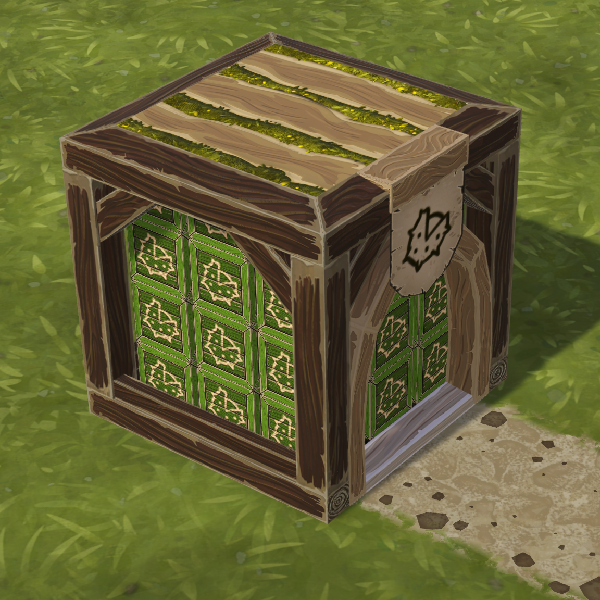
Practical details derived from game data and patch history make chestnuts straightforward to manage in agricultural planning. A chestnut tree’s base growth (maturation) time is about 23.5 days (older patch notes show a small reduction from 23.5 to 23 days in an update). Planting a new tree takes roughly 0.74 hours of worker time; felling requires about 1.2 hours. Harvest cycles occur every 8 days with each harvest action taking about 1 hour. Trees have a small natural reproduction chance (about 0.03) and a wilting window around 8 days (roughly 7.2–8.8 days accounting for randomness); flood death timing is around 9–11 days. Chestnut trees do not require a minimum water level to survive.
Gameplay considerations and strategies:
- Use chestnut orchards as a renewable midgame food source and feed cookhouses; cooked chestnuts provide more nutrition than raw chestnuts and help stabilize food supply.
- Avoid unnecessary felling if you need long-term nut production; fell only to harvest timber when wood is scarce.
- Plant clustered orchards adjacent to storage and cookhouses to minimize hauling time for both raw and cooked chestnuts.
- Monitor tree spacing and worker assignment so harvesters and planters can keep up with the roughly 8-day harvest cycle and the tree regrowth rate.
- Chestnuts are resilient to low water levels but can still be lost to prolonged flooding; protect orchards on higher ground where possible.
- Historical changes: chestnuts were introduced in the first update and later made exclusive to the Folktail content in a subsequent update.
Trivia: Chestnuts are the only nut in the game that contains vitamin C. In real-world cuisine, chestnuts are commonly roasted as street food; in Timberborn, beavers roast chestnuts in cookhouses to create a preferred cooked food item.