Beginner's Guide: Getting Started & First Steps
FOUNDRY is a sandbox factory-building game where you mine resources, automate production, and expand your base. This beginner guide covers the essential goals, early priorities, basic controls, and first steps to get a stable, automated operation running.
Core goals and early mindset
- Your primary loop is: explore → mine raw resources (ore,
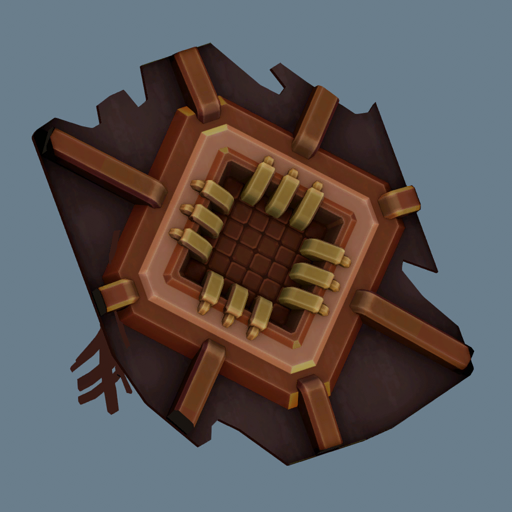
- Early play is exploration-heavy: scouting for resource nodes and Xeno-Scrap drives most early progression.
- Treat the first few hours as setup: prioritize tools and research that increase mobility, scanning, and basic automation so you can scale comfortably later.
Controls and quality-of-life
- Learn movement and basic traversal first; Rocket Boots (double jump) are an early and highly useful upgrade for navigating terrain and caves.
- Use the Short Range Scanner to find Xeno-Scrap on the surface; unlocking it adds a tracker UI element that helps locate salvage quickly.
- Adjust input bindings and camera controls early to make mining and building efficient; ergonomics speed up all other tasks.
Early research priorities
Prioritize research that increases your ability to find resources and improves mobility and excavation:
- Short Range Scanner — unlocks a scanner UI to locate Xeno-Scrap on the surface.
- Rocket Boots — grants double jump for easier movement and vertical exploration.
- Cave-Scanning — enables tracking of underground cave systems where Xeno-Scrap and other resources are denser.
- Personal Excavation Drones and upgrades — add more drones and increase their speed; these accelerate automated mining and let you gather more resources while you focus on base layout.
- Drill and excavation upgrades (e.g., larger drill shapes, faster drill speed) once available to speed ore extraction.
Research costs vary by tech; unlock the essentials first then branch into automation and production techs.
Early buildings and automation basics
- Start with basic miners/drills and connect them to storage. Keep extracted ore consolidated so later smelting/processing steps can run without interruption.
- Use Excavation Drones as soon as possible to automate surface/near-surface scrap collection; increasing drone count and speed is high leverage.
- Begin simple conveyor or transfer routing to move raw resources to a central processing area. Keep production lines short and organized at first.
- Automate repetitive tasks (smelting, basic component assembly) as soon as you have the intermediate machines to free time for exploration and research.
Resource scouting and Xeno-Scrap
- Surface scanning is fast for initial scrap; caves contain more scrap per time invested, so invest in cave-scanning when you plan to explore deeper.
- Balance time spent surface-mining vs. cave expeditions based on your research needs and hazards encountered.
First production chain checklist
- Secure a reliable power source sufficient for drills and basic factories.
- Place primary drill/miners over a known ore node and route output to a storage container.
- Build a smelter/processor to convert raw ore into usable metal/component parts.
- Automate assembly of basic components that are prerequisites for mid-tier machines (conveyors, inserters, drone bays).
- Start researching automation and mobility tech while expanding production capacity.
Tips and common pitfalls
- Don’t overbuild early: small, modular setups are easier to manage and modify.
- Prioritize mobility and scanning tech — faster movement and better maps save more time than incremental production improvements initially.
- Keep an eye on power draw; new machines can quickly overwhelm a starter power grid.
- Save resources for essential research tiers (e.g., drone count/speed) rather than spending everything on larger but static builds.
- Explore caves when you can handle environmental hazards — they yield much higher returns for Xeno-Scrap and hidden nodes.
Progression next steps (after initial stability)
- Expand drone fleets and upgrade their speed and capacity.
- Increase drill sizes and add higher-throughput processing lines.
- Optimize layouts for throughput and compactness; replace temporary routes with dedicated conveyor networks and inserters.
- Continue research up the tech tree to unlock advanced automation, larger drills, and production modules.
This covers the practical first steps and priorities for new players. Focus on scanning, mobility, and automating the basic resource-to-component loop, and you’ll establish a foundation that scales into mid- and late-game factory complexity.