Gravel: Construction Materials Guide
If your production lines keep stalling because a basic input is missing, 
Start by treating Gravel as a core supply, not a spare byproduct
The safest approach is to build your early material flow with Gravel in mind before you push into broader expansion. If you are setting up a new production area, make Gravel part of the default supply plan alongside whatever else that area consumes. That keeps your base from drifting into the common trap where construction waits on a humble component that should already be on hand.
Set up storage and transport before you scale production
The practical rule is simple: get storage and transport working before you chase higher output. A smooth supply chain matters more than a big pile of material in one place. If local stock runs dry, production stalls even if you technically have enough Gravel somewhere else. So build the route first, then scale the throughput.
Feed Gravel into the recipes that actually consume it
Here is a quick reference for the construction-material steps you should keep an eye on:
| Recipe | Time | How to use it |
|---|---|---|
|
12s | Keep it flowing into storage and the buildings that consume it |
 |
12s | Watch it as a neighboring construction-material step |
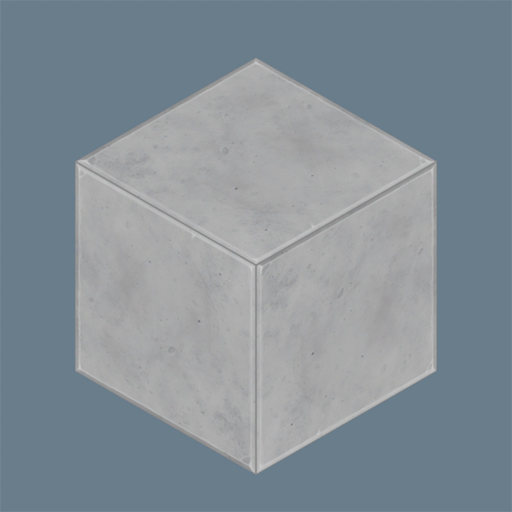 |
15s | Treat it as a downstream material that needs stable upstream supply |
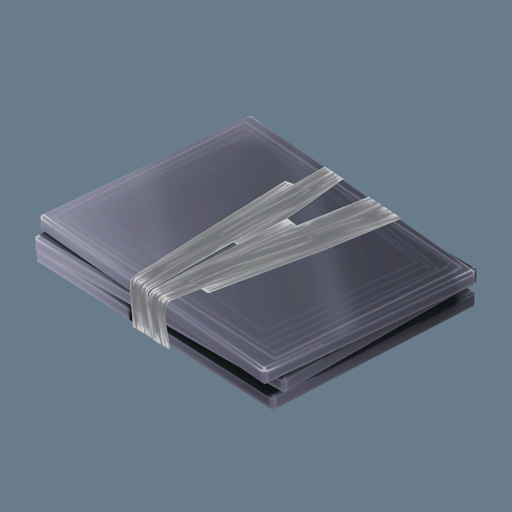 |
5s | Use it as another short-cycle construction-material output to keep moving |
The key takeaway is not the table itself, but the priority it suggests. If your build needs Gravel, keep that input continuous even if it means slowing expansion elsewhere. A recipe only works when its inputs arrive on time, and a basic material can become the bottleneck for an entire chain if you let stockpile management slip.
Use the related building materials as the next step up
Once Gravel is stable, you should think about the wider construction-material pipeline.
Do not jump ahead and spread your logistics too thin. First lock down Gravel, then make sure the construction-material chain around it is supported well enough that none of the downstream steps sit idle. Concrete takes longer than Cement at 15s versus 12s, while Glass moves faster at 5s, so keep your attention on whichever step is most likely to back up or stall your overall build pace. The exact order matters less than the discipline of keeping every step supplied before you expand further.
Scale carefully and watch for bottlenecks in your material chain
Scale Gravel production in step with the buildings that consume it. If your construction network grows faster than your supply, the first warning sign is usually a stalled input, not a dramatic failure. Watch for that early. When a line begins pausing for lack of Gravel, add capacity before the shortage spreads to the next building in the chain. That is much easier than trying to fix a whole network after multiple consumers are already waiting.
A good habit is to expand one link at a time. Increase Gravel handling, confirm the new flow holds, then move on to the next construction-material step. That measured pacing keeps your factory from becoming too complex for its own supply, and it prevents one missing basic item from slowing the rest of your operation.
In short: make Gravel a first-class part of your logistics, not an afterthought. Store it, move it, and feed it into the recipes that need it before you push into larger construction chains. If you keep that foundation solid, the rest of your material network will be much easier to keep running.