Construction & Combat Drones Guide
If you want your factory to do more than just sit there and ship materials, Construction & Combat Drones are the step that turns production into active expansion and defense. The trick is not to rush the final unit first; it is to line up the supporting parts, pick one practical goal, and bring the whole drone pipeline online without starving the rest of your factory. Start small, keep the short recipes fed, and only scale once the first outputs are actually stable.
Start with the drone-related parts you actually need first
Treat this as a production chain, not a single unlock. The first thing you should do is decide what problem you are solving, then build around it instead of trying to unlock every drone and ship path at once.
If you are leaning toward defense, put Combat Drone on your shortlist early, but do not treat it as an isolated target. A Combat Drone is a 15s recipe, so it is fast enough to feel tempting, but it still depends on your wider production line staying smooth. The same is true for 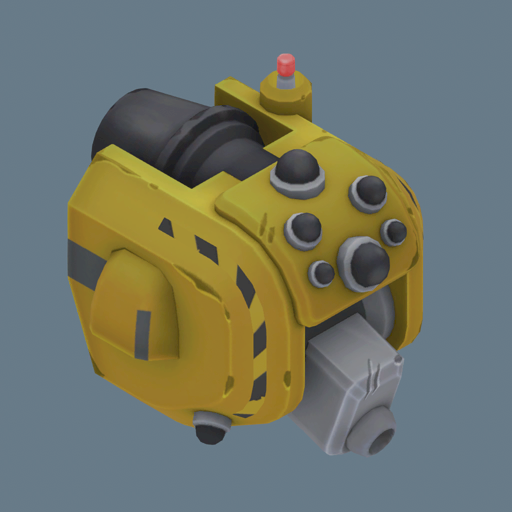
For expansion logistics, 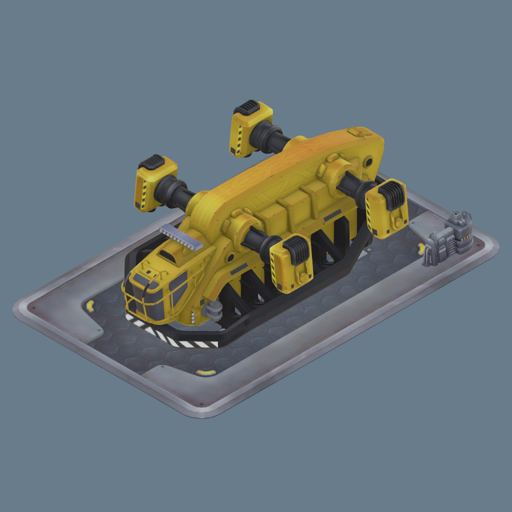
Also make sure Hover Engine is available early. It is only a 6s recipe, which means it is one of the fastest pieces in the set and a good indicator of whether your chain is keeping up. If your factory can consistently produce the quick parts, you are in a much better position to support the slower end products later.
Set up the component makers before you queue the finished drones
The mistake to avoid is letting your final drone line sit idle while it waits on subcomponents. Before you queue finished drones in earnest, get the component makers running smoothly. The key pieces here are 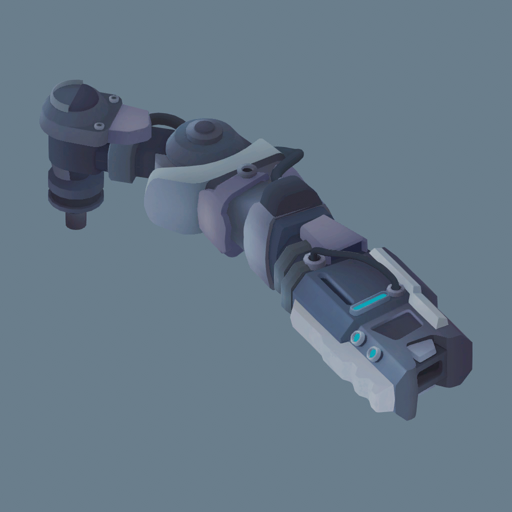
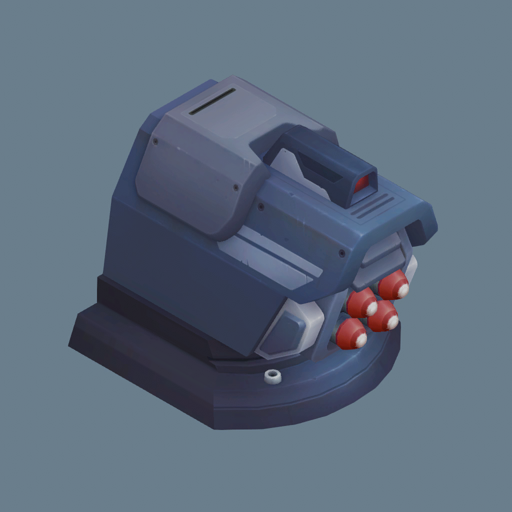
Combat Robot Arm is a 15s recipe, and Combat Robot Head is a 15s recipe as well. Build the production for these pieces first, then watch whether they can keep pace with your final assembly goals. If you are aiming for combat capability, Weapon Components should be one of the first things you stabilize, because it is a 6s recipe and the faster it flows, the less likely it is to become the hidden stop in your chain.
Here is a quick reference for the core drone and combat-related recipes and their craft times:
| Recipe | Craft time |
|---|---|
| Combat Drone | 15s |
|
15s |
|
15s |
|
10s |
| Drill Ship | 30s |
| Hover Engine | 6s |
|
15s |
| Weapon Components | 6s |
Use this as a planning tool, not just a checklist. The fast parts should be the ones you keep buffered, because they are what prevent the slower assemblies from stalling. If the 6s recipes dry up, the rest of the chain can look built on paper and still fail in practice.
Choose a first build path: maintenance, construction, or combat
Do not try to roll out every drone category at once. You will get more value by picking the one that solves your immediate bottleneck and then expanding after that line is stable.
If your problem is maintenance and recovery, start with
For larger expansion plans, Drill Ship is the long play. It is a 30s recipe, so you should treat it as the last of the first-wave priorities rather than the first. Get one useful drone or ship line working, prove that the supporting parts can keep up, and then graduate to the slower, more demanding route.
Use the faster recipes to keep the line from backing up
Recipe time is the easiest way to spot where your factory will wobble. The 6-second pieces, especially Hover Engine and Weapon Components, should be the parts you keep flowing most consistently. They are fast enough to feed the rest of the chain, but only if you protect them from getting starved by unrelated production.
That matters because the longer builds are where shortages become obvious.
A good rule is to keep the shorter recipes buffered before you expand the slower ones. That way, when a Combat Drone,
Scale the drone network only after the first outputs are stable
Once your first drones or ships are coming out on schedule, resist the urge to copy everything immediately. Instead, duplicate the part of the chain that stalls most often. If Weapon Components keeps running dry, add more support there. If Hover Engine is the part holding up the line, expand that before you add another end-product queue. If the longer crafts are the bottleneck, widen the upstream supply before you stack more demand on top.
That approach keeps you from creating a factory that looks impressive but cannot sustain itself. The safest way to grow is to protect the shortest recipes, then feed the 15s and 30s jobs after the foundation is steady. Once Combat Drone,
If you keep the order straight—support parts first, one build path at a time, faster recipes buffered, slower recipes added last—you will bring the drone system online without choking the rest of your factory.