Liquid Fuel Craft and Storage Guide
If you need Liquid Fuel in FOUNDRY, treat it as a fluid first. It is represented through the game’s fluid infrastructure, so it is intended to be stored in fluid storage containers, transported through piping and pumps, and used by recipes and machines that accept fluids. Build your fluid handling around that role, then route it into the recipes that require it.
Start with the fluid infrastructure before you handle fuel products

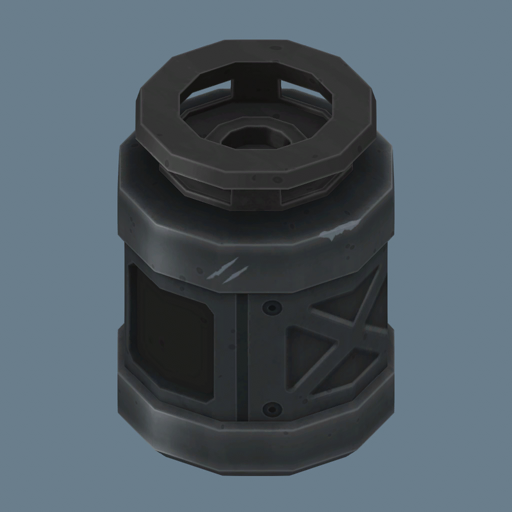
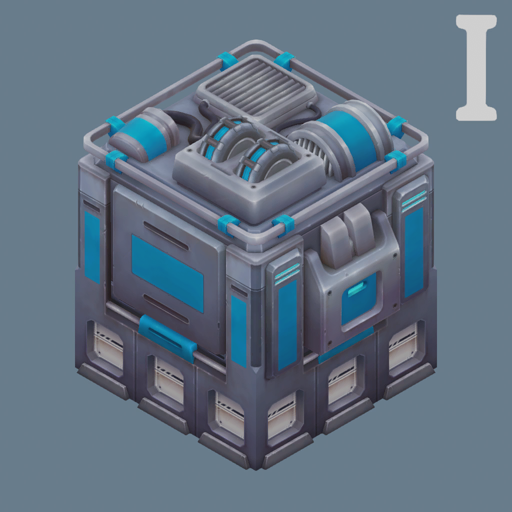
Before you move Liquid Fuel into later recipes, make sure your setup can hold it, move it, and hand it off cleanly to whatever machine needs it. If the fluid line is not steady, the rest of the chain will stall.
Keep Liquid Fuel moving through your factory
When you place the line, think about where the Liquid Fuel will be consumed and connect your storage and pumps to that point. The goal is a steady feed, not fuel sitting unused at the source.
Use the fuel recipe that matches the job
The fuel-related recipes in this chain have short craft times, but they are still distinct steps. 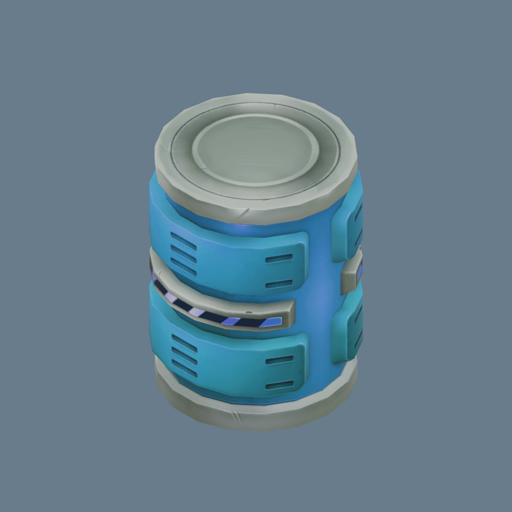
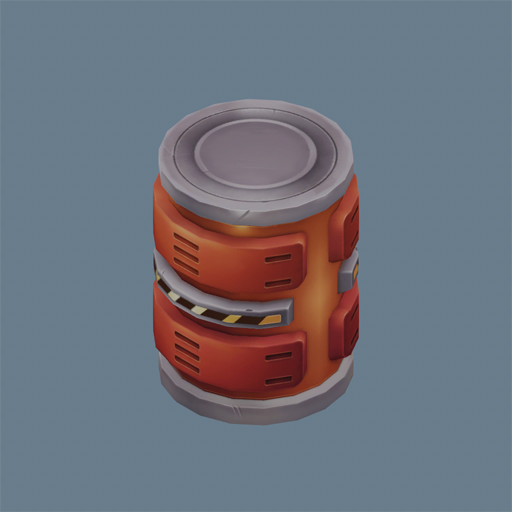
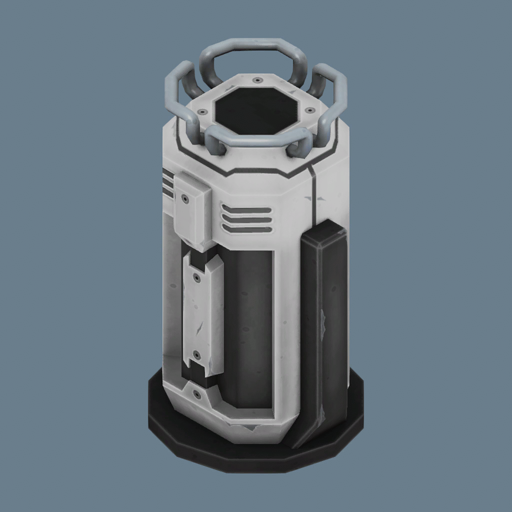



Liquid Fuel is the base fluid form. From there, the other recipes give you the different outputs in the fuel chain, so choose the one you need and keep the fluid feed steady.
Keep the assembler supplied
If output slows, check the fluid feed first. A dependable buffer and a clean path into the assembler will keep the chain smoother than a stop-start supply.
Add the longer crafts once the base line is stable
The longer recipes,
Once Liquid Fuel is moving properly through storage, pipes, and pumps, the rest of the fuel chain becomes much easier to manage.