Explosives and Ignium Processing Guide
If you’ve reached the point where you need explosives or you’re trying to turn ignium-related materials into something useful, the key is to work from the recipes you already have and build outward from there. Start with the pieces that are available, then expand the chain only as your factory can support it.
Start with the recipe list you actually have access to
Your first job is simple: treat the current explosive and ignium entries as the core of a small subsystem and make sure you know which ones are already unlocked. The recipes to track are Charged Xeno-Crystal, Crystal Refiner, 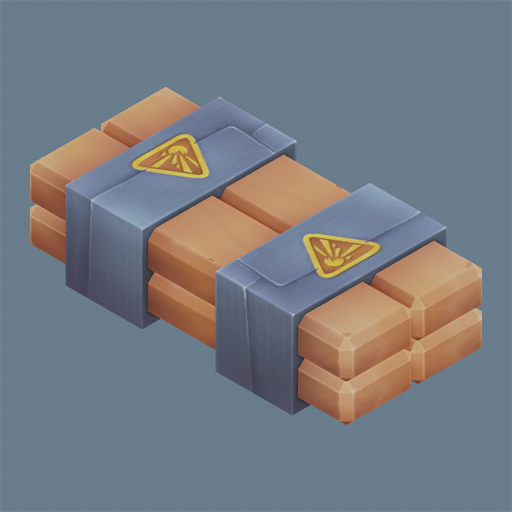
Here is a compact reference for the recipes and their pacing.
| Recipe | Time |
|---|---|
| Charged Xeno-Crystal | 3s |
| Crystal Refiner | 8s |
|
5s |
| Explosives (Primitive) | 5s |
| Ignium-Enriched Water | 1s |
 |
5s |
Use that table as your planning snapshot, then build from the slower steps outward. The exact inputs and outputs are not listed here, so focus on what you can produce and what still needs more infrastructure.
Decide whether you need the primitive explosive route or the standard one
Once you have one version flowing, check whether anything upstream is slowing it down. If a missing feed, limited machine count, or awkward layout is causing trouble, fix that before you swap in a different explosive recipe.
Set up ignium processing as its own stable supply line
Treat Ignium-Enriched Water and Ignium Powder as a support chain. Ignium-Enriched Water crafts in 1 second, while Ignium Powder takes 5 seconds and is a component item, identified by the canonical name ignium-powder. That difference matters because the faster step will move material quickly, while the slower powder stage can become the place where the line slows down.
Do not assume the fast recipe alone solves throughput. Give Ignium Powder enough room and input access first, then let Ignium-Enriched Water feed into that support line at a pace the rest of your factory can actually absorb. Because Ignium Powder is a component item, it is worth treating it as an intermediate material rather than a dead-end product.
Connect crystal processing before you scale explosive production
If your explosive setup relies on crystal-related materials, set up that preparation stage before you commit to a big final assembly area. Charged Xeno-Crystal takes 3 seconds, while Crystal Refiner takes 8 seconds, making Crystal Refiner the slowest recipe in this group.
Give the crystal side its own buffer space, its own machine capacity, and enough layout room that you can expand it later. Keep it close enough to the rest of the chain that transport stays simple, but leave room for the slowest step to breathe.
Use craft times to spot the bottlenecks before you build too small
The craft times tell you how to think about the factory layout before you place anything. Ignium-Enriched Water is the fastest at 1 second, Charged Xeno-Crystal comes in at 3 seconds,
Build with that order in mind: size the slower machines first, then support them with enough upstream production to keep them fed. If you do the reverse, you will overproduce the quicker intermediate items and then watch them sit idle waiting for the slower step to catch up.
Put the finished explosives to work, then expand only where the line strains
Once you have a working explosive line, use it as a test bed rather than trying to build the final version immediately. The explosive and ignium system is enough to plan the structure of the factory, but it does not provide exact inputs, outputs, or ratios here, so rely on observation in your own save rather than guessing at perfect throughput.
The best way to grow this subsystem is incrementally. Get the first chain working, confirm where the real bottleneck is, and then widen only that piece. That approach keeps your factory clean, keeps your materials moving, and makes it easier to decide whether you should lean on Explosives or Explosives (Primitive) as your preferred route once everything is in place.