Telluxite Processing: Electric Arc Furnace Guide
If you’ve reached Telluxite and your production chain is stalling, the problem is usually not the final product — it’s getting the fluid and furnace steps set up cleanly so the line actually runs. Start by building the Electric Arc Furnace as the core of the line, then wire the rest of your logistics around it. Once the furnace is in place and powered, you can bring in Telluxite materials with far fewer headaches and avoid turning a promising chain into a dead-end bottleneck.
Set up the Electric Arc Furnace before you try to feed Telluxite
Make the Electric Arc Furnace your first placement, not your last. It is the processing building for this chain, and it is the piece that turns specific inputs into output products according to the recipe you assign. Because it connects through the building infrastructure for power, fluids, and transport links where applicable, you want those connections ready before you start pushing valuable Telluxite materials through the line.
The easiest mistake here is building the upstream and downstream steps first, then discovering the furnace has nowhere clean to sit in the middle. Don’t do that. Place the Electric Arc Furnace where it can accept inputs and hand off outputs without awkward reroutes, then make sure the power connection is stable before you feed it anything important. Its processing role uses a 15s cycle, so it is not the fastest part of the chain; it is the coordination point. Treat it like the hub of the operation, not a side machine.
Bring Liquid Telluxite to the line without starving your pipes

The important thing to understand is timing. Liquid Telluxite has a 60s recipe cycle, while the Electric Arc Furnace runs on a 15s cycle. That difference tells you exactly how to build: buffer first, then process. Keep a tank or equivalent storage in the middle so the furnace is not waiting on a perfect real-time supply. If you design the line without storage, any interruption upstream will starve the furnace; if you design with a buffer, the slower fluid side can recover while the furnace keeps working.
Here’s the practical rule: do not try to feed Liquid Telluxite directly from production into the furnace with no reserve unless the rest of your factory is already very stable. Let the fluid accumulate, then let the furnace consume from that reserve. That keeps the line from oscillating between full and empty states, which is where most Telluxite setups start to feel broken.
Choose the Telluxite recipe chain you actually need before committing the line
Do not build every Telluxite-related recipe at once unless you already know which product your factory is going to consume. The chain includes Telluxite Ore, Telluxite Ingot,
For quick reference, keep the recipe timings in mind while you plan your layout:
| Recipe | Machine | Time |
|---|---|---|
| Telluxite Ore | listed recipe | 1.5s |
| Telluxite Ingot | listed recipe | 6s |
| Liquid Firmarlite | listed recipe | 7.5s |
|
listed recipe | 60s |
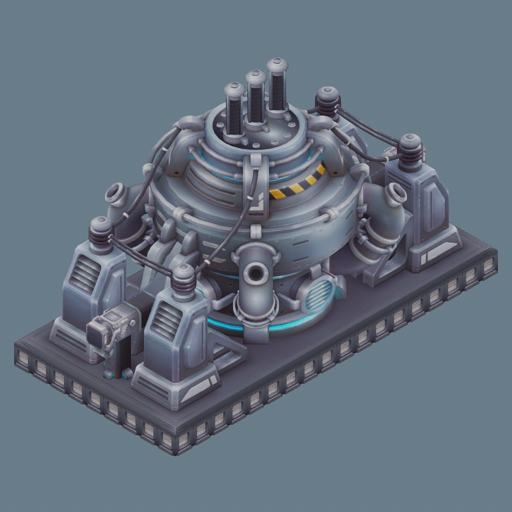 |
processing building | 15s |
Use that table as a planning tool, not as a reason to overbuild. Telluxite Ore is the fastest listed recipe, which means it can flood the rest of the chain if you scale it carelessly. Telluxite Ingot and Liquid Firmarlite are still much faster than Liquid Telluxite, so they will usually outrun the fluid side unless you deliberately add storage and output control. The safest approach is to decide what you need first, then build only the recipes that feed that target.
Route outputs so the furnace never backs up
The Electric Arc Furnace transforms specified input materials into output products, so every output needs a destination before you start full production. If you let the output sit with nowhere to go, the furnace will stop doing useful work, and the whole chain will feel unstable even if the upstream supply is fine.
Set up the next step before you flip the line on. If the output is meant for storage, give it storage. If the output is meant for another machine, make sure that machine is powered, connected, and ready to consume it. If you are still building the downstream side, pause the line or buffer the material instead of letting the furnace jam. That one habit prevents a lot of avoidable shutdowns.
This is especially important because the Telluxite chain appears in multiple stages. The separate Telluxite Ore and Telluxite Ingot recipe entries are a clear signal that you may be working through more than one production layer, so don’t assume a single furnace setup is enough to solve the whole problem. Build the handoff between each stage before you push volume through it.
Scale Telluxite processing by watching the slowest step, not the busiest one
When you expand Telluxite processing, do not scale based on whichever machine looks busiest. Scale based on the slowest upstream step. In this chain,
The right way to expand is to add buffering and capacity around Liquid Telluxite before you copy more furnaces or add more downstream consumers. If you add more processing without fixing the slow fluid supply, you will just create more idle machines waiting on the same bottleneck. On the other hand, if you strengthen the fluid reserve first, the rest of the line can stay fed long enough to smooth out production swings.
As you scale, keep this order in mind: stabilize power, buffer Liquid Telluxite, connect the Electric Arc Furnace, then extend into the next Telluxite recipe branch only when the output already has a home. That sequence keeps the factory moving and prevents Telluxite processing from becoming a dead end instead of a production chain.
If you want the cleanest possible setup, think in terms of flow control rather than raw throughput. Feed the furnace from storage, not directly from a fragile source. Give every output a destination before you start the machine. And when the line grows, expand the slow fluid side first. That is how you keep Telluxite processing steady instead of constantly rebuilding it.