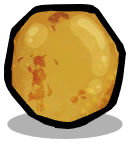
Sap

Overview
Sap is an in-game element associated with biological secretion from the creature designated Test Subject 52B. It exists as a liquid when properly processed and handled; under certain conditions it will change behavior and solidify into 
When Test Subject 52B holds more than 5 kilograms of Sap internally, the excess Sap is discharged through ducts located on both sides of the creature, causing it to drip out. This behavior is a mechanical threshold: internal Sap mass above 5 kg triggers outward dripping via those side conduits.
Temperature directly affects Sap secretion. Test Subject 52B must be kept at a body temperature above 17°C for Sap to secrete normally as a liquid. If the creature’s temperature falls to 17°C or lower, Sap fails to secrete properly and instead solidifies into Solid Sap. Solid Sap accumulates and can form a blockage: it will clump in the central bottom tile beneath Test Subject 52B and bury that area with the solidified substance.
Practical implications and handling considerations based on these behaviors:
- Prevent internal Sap from exceeding the 5 kg threshold if uncontrolled dripping is undesirable; plan containment or receptacles by each side duct if automated collection is needed.
- Maintain Test Subject 52B’s body temperature above 17°C to ensure Sap remains liquid and continues to be expelled rather than forming Solid Sap. Reliable heating or habitat temperature control is required where Sap management is necessary.
- Monitor the floor tile directly beneath Test Subject 52B, since solidification leads to clumping in the middle bottom tile and can entomb the creature’s base area; periodic clearing or preventive temperature management avoids blockage.
- Expect side-duct drainage behavior rather than center drainage when the creature is producing liquid Sap; design plumbing and collection accordingly.
All statements above are drawn from observed mechanics of Sap handling with Test Subject 52B and describe how its secretion and temperature sensitivity affect in-game Sap and Solid Sap formation.