Wiki: Guide to Gases, Liquids, Solids & Critters
Oxygen Not Included is a colony simulation about managing duplicants, resources, gases, liquids, heat, biomes and buildings to keep a subterranean base alive. This page summarizes core systems, what matters in play, and quick-reference mechanics you will repeatedly use.
Core concepts
- Duplicants: your colonists. Each has name, appearance, interests, traits, attributes and needs. Interests (1–3) speed related skill progression and give +1 morale for related skills. Traits provide permanent bonuses or penalties; the game attempts to balance positive and negative trait rarity when generating new duplicants.
- Mass & units: Mass is measured in grams (g) and kilograms (kg). 1 kg = 1000 g; 1 tonne (t) = 1000 kg.
- Power: measured in watts (W) = joules per second. Batteries store energy that supplies machines; power budgeting is essential.
- Survival mode: default game mode; most listed numbers and behaviors refer to it.
Duplicant needs, properties and behavior
- Needs tracked include Breath, Stamina, Calories, Bladder and Stress. Breath depletes in unbreathable atmosphere and causes interruptions, suffocation warnings, and death at 0%. Stamina regenerates during sleep and from rest bonuses. Calories: max 4000 kcal; Duplicants eat automatically when low. Bladder increases and triggers toilet use. Stress is affected by morale and events; stress relief sources include sleeping, massage (strong), gaming, social interactions and good morale.
- Core consumptions / base properties (standard duplicant):

- Carbon dioxide production and calorie consumption likewise have base values modified by traits.
- These baseline values are consistent across duplicants unless changed by traits or equipment.
- Attributes: Eleven attributes (Construction, Excavation, Machinery, Athletics, Science, Cuisine, Creativity, Strength, etc.) determine performance and can be trained by performing related errands; training grants attribute points up to a cap.
- Errands: duplicants perform errands such as Build, Dig, Supply, Cook, Care, Farm, Ranch, Operate, Life Support and more. Some traits or skills disable or enable specific errands.
Gases and atmosphere
- Gases stratify by density: lightest gases (Hydrogen,


- Common gases and gameplay notes:
- Hydrogen: lightest gaseous element.

- Carbon Dioxide, Chlorine,

- Natural tiles and emissions: some natural ground tiles (e.g.,


- Gas management buildings (pumps, vents, filters, gas pipes and gas rockets) and airflow tiles are used to move and isolate gases. Airflow and permeable tiles affect how gases move through structures.
Liquids and water

- Liquids have density ordering similar to gases and phase-change temperatures (freeze/evaporate). Some geysers produce near-freezing water that can freeze in pipes/tools unless pre-heated.
- Coolant selection: pick a coolant based on availability and operating temperature range; some liquids freeze at relatively warm temperatures or boil too easily and are unsuitable for certain systems.
Solids, tiles and heat
- Solid elements categories: metals, raw minerals, refined metals, industrial ingredients, cultivable soil, manufactured materials, special items, etc. Many buildings require specific materials.
- Tiles:
- Normal Tile,



- Insulated Tiles use a different heat calculation and are useful for thermal isolation. Different materials can be used as Insulated Tile with varying conductivity and melting points.
- Normal Tile,
- Specific heat, thermal conductivity and melting points are central to heat management. DTU (game heat units) per gram per °C is the unit used in data tables; higher specific heat materials take more energy to raise in temperature.
Buildings, interactions and cell-of-interest (COI)
- Every building has defined size, interaction cell (where duplicants stand to use it), material delivery cell and item drop-off cells. COI is named by row column (A1 is bottom-left of 3×3 visual).
- Some buildings require bottom/middle/left COI for delivery and interactions; place conveyors, doors and paths accordingly.
- Special building lists and DLC-exclusive buildings exist (Spaced Out adds many rocket/space systems and unique structures).
Biomes, geysers and planetoids
- Asteroids are composed of biomes (Forest,



- Geysers and vents spawn depending on asteroid type and biome. Spaced Out DLC asteroids have specific geyser pools (e.g.,


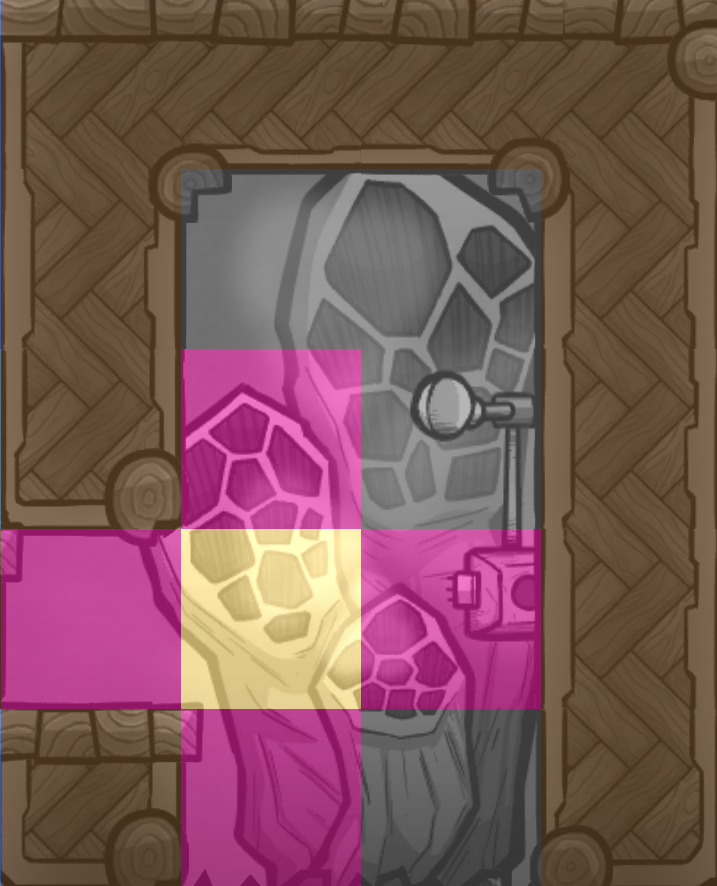
- Planetoid clusters and the starmap determine reachable destinations for rockets and teleporters; different ranges have guaranteed and random destinations with resource weight rolls when generated.
Critters, ranching and eggs
- Critters have dietary preferences, products and eggs. Ranching and wrangling require specific skills and facilities. Some critters (



- Critter morphs: some critter species have morph variants with different eggs drop rates; ranching mechanics account for these in breeding yields.
Research, skills and decorations
- Research unlocks buildings, automation and larger systems. Science attribute speeds up attribute leveling and research speed; skill points are gained by performing tasks in which a duplicant is interested.
- Artworks and sculptures provide decor, improving morale. Masterpiece and other quality tiers exist for paintings and sculptures with defined decor effects.

Stress, morale and relief
- Morale affects stress gain and loss. Duplicants require morale relative to their skill/training level to avoid stress.
- Stress relief sources and values:
- Sleeping: strong continuous relief while resting.
- High morale exceeding expectations: significant continuous stress reduction.
- Massage Table and Massage Clinic: large continuous relief (clinic better).
- Arcade Cabinet (Gaming), social interactions and receiving care give smaller but useful short bursts of stress relief.
- Printing a new duplicant and New Hope events grant short morale boosts.
- Plan for recreation, social spaces and amenities as colony complexity grows.
Automation, sensors and logistics
- Automation wiring and sensors (gas, liquid, thermals, pressure, etc.) enable smart base control: e.g., turning pumps and valves on/off based on thresholds.
- Automation wire length can affect some audio tones in-game (cosmetic), but functional behavior depends on signal state and wiring topology.
- Conveyor systems, pneumatic doors, and logistic buildings allow structured resource routing; some DLC buildings add space logistics.
Tips & practical rules
- Early game priorities: secure breathable oxygen, safe temperature ranges, food and a way to deal with waste/polluted water.
- Use airflow tiles, doors and gas pumps to isolate toxic gases and create clean oxygen rooms.
- Heat management: separate high-heat machinery behind insulated tiles or use water/coolants and heat exchangers. Insulated Tiles and specially chosen materials minimize unwanted heat transfer.
- Geysers and vents are finite in output or behave continuously depending on type—plan infrastructure to capture and utilize what each geyser provides.
- Keep duplicants’ skills aligned with colony needs; interests boost efficiency in specialized tasks.
- Always check building COI and place delivery/stations so duplicants don’t have unnecessary pathing conflicts.
This page provides core reference-level mechanics and practical guidance. Use specific building and element pages for precise construction costs, exact numerical values (materials, wattage, mass, heat capacities and temperatures) when planning advanced systems.