Sand
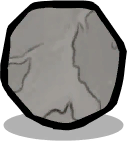
Overview
Sand is a common raw material element found across many biomes, especially in the Temperate Biome. Large deposits can also appear in the Caustic Biome, and the Oasisse asteroid contains abundant hot Sand. It is one of the game’s most useful processing inputs, serving as filter media, ranch feed, and a key ingredient for glass production.
Sand is consumed by several machines and critters, and it can also be produced from a variety of renewable loops. Rock Crusher can break 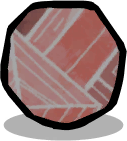

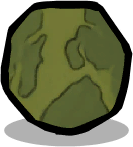
- Water Sieve uses Sand to turn


- Deodorizer uses Sand to convert


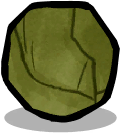
- Glass Forge consumes Sand to produce

- Hatches eat Sand and excrete
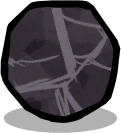

Sand also has several notable processing chains. Table Salt can be recovered from Salt Water Geysers or Cool Salt Slush Geysers and then turned into Sand through crushing. 
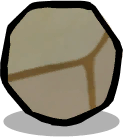
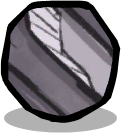
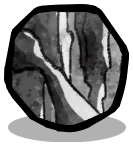
When heated to 1715.85 °C, Sand melts into Molten Glass. Because of this, Sand is not only a disposable utility resource but also an important stepping stone toward glassmaking and several self-sustaining production systems. Sand tiles also collapse if nothing solid supports them from below, which can entomb anything they fall onto.
References to this (30)
- achievementBUILD_OUTSIDE_BIOME
- achievementEFFICIENT_DATAMINING
- biomeAquatic Biome
- biomeBiome
- biomeCool Pool Biome
- biomeJungle Biome
- biomeOcean Biome
- biomeSandstone Biome
- biomeSwampy Biome
- buildingAmber Fossil
- buildingBleach Stone Hopper
- buildingGlass Forge
- buildingJumping Joya
- buildingOxygen
- buildingRock Crusher
- buildingTimer Sensor
- buildingWater Sieve
- critterPokeshell
- diseaseRadioactive Contaminants
- elementAluminum
- elementAluminum Ore
- elementCeramic
- elementClay
- elementCobalt
- elementCobalt Gas
- elementCobalt Ore
- elementCopper Gas
- elementCopper Ore
- elementElectrum
- elementFossil