Dirt
Overview
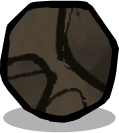
Dirt is a common solid resource used throughout the early and mid game as a construction material, fertilizer, and ingredient in several production buildings. It naturally occurs in the Temperate Biome and 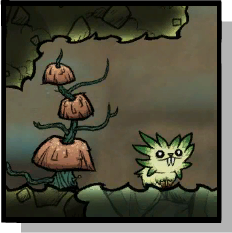
Dirt is consumed by several basic buildings and production chains. It is used to build Planter Boxes, Farm Tiles, and Algae Terrariums, and it is also required by Research Stations for basic research. Microbe Mushers use Dirt together with 
Several domesticated plants require Dirt as fertilizer. The documented rates are:



Dirt also serves as an input for Fertilizer Synthesizers, which can convert 

Dirt can be obtained from a number of sources and processing chains:
- Compost converts Polluted Dirt into Dirt at 100% efficiency, at the cost of duplicant labor and waste heat.
- Boiling Polluted Water into

- Filtering Polluted Water with a Water Sieve produces Polluted Dirt as a byproduct, which can then be composted.
- Heating some organic materials such as
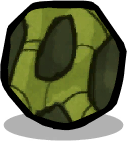
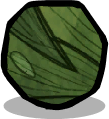
- Ethanol Distillers generate Polluted Dirt from Lumber, which can then be composted into Dirt.
- Pips can harvest dirt from Arbor Trees and Thimble Reeds indirectly through plant growth interactions.
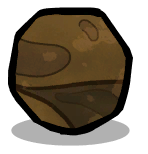
- Dirt can also be gathered from certain space missions in Organic Mass Fields.
Dirt is not especially valuable as a late-game raw material, but it remains relevant for a long time because of how many early systems rely on it. Its main strategic value lies in supporting farming, feeding research, and acting as a sink or intermediate product in compost-based resource loops. Hatches and Sage Hatches can eat Dirt and convert it into 
Because Dirt is used in so many places, colonies that rely heavily on domesticated farming or basic research often need to keep a steady supply on hand. Once a stable source is established, it becomes one of the most flexible and easy-to-route resources in the colony.
References to this (30)
- biomeAquatic Biome
- biomeBiome
- biomeForest Biome
- biomeSandstone Biome
- buildingAero Pot
- buildingCompost
- buildingEthanol Distiller
- buildingFarm Station
- buildingFertilizer Synthesizer
- buildingIdylla Flower
- buildingLab Desk
- buildingMicrobe Musher
- buildingOuthouse
- buildingResearch Portal
- buildingResearch Station
- buildingTempshift Plate
- buildingTimer Sensor
- diseaseAllergic Reaction
- diseaseDiarrhea
- diseaseEye Irritation
- diseaseRadioactive Contaminants
- elementFertilizer
- elementMolten Glass
- elementMud
- elementPhosphorite
- elementPolluted Dirt
- elementPolluted Mud
- elementPolluted Water
- elementSand
- elementSlime