Diarrhea
Overview
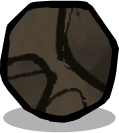
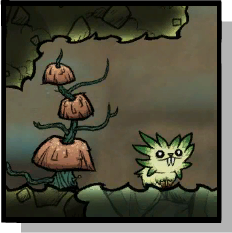
Its most basic uses are construction and agriculture. Dirt is used to build Planter Boxes, Farm Tiles, and Algae Terrariums, and several crops require it as fertilizer when domesticated: 

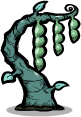

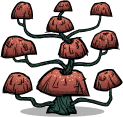

Dirt has many renewable and semi-renewable sources beyond map generation. Compost converts 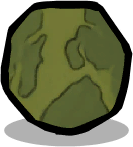


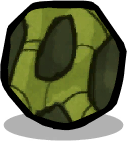
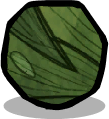
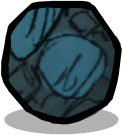
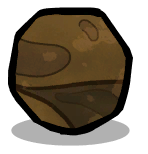
Several farming and ranching loops can generate Dirt at scale. Ethanol Distillers convert a portion of Lumber into Polluted Dirt, which can then be composted into Dirt; this pairs well with domesticated Arbor Trees, which can produce large amounts of Lumber. Pips also create Dirt by consuming growth from Arbor Trees and Thimble Reeds, with wild Arbor Trees supporting multiple domesticated Pips without input materials. In ranching, Hatches and Sage Hatches eat Dirt and excrete 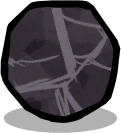
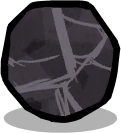
Dirt can also be harvested from space missions in Organic Mass Fields, making it renewable at a colony scale once rockets are available. In contrast, some conversion chains are best treated as sinks or emergency options: boiling polluted water, cooking organics, or using Dirt for research and mushroom production all consume it quickly, so long-term farms often need a dedicated Dirt source.
- Each basic research point at a Research Station costs 50 kg of Dirt.
- Each Mush Bar at a Microbe Musher costs 75 kg of Dirt and 75 kg of Water.
- Each Outhouse visit consumes 13 kg of Dirt and produces 19.7 kg of Polluted Dirt.
- Dirt is one of the ingredients for Fertilizer in the Fertilizer Synthesizer, alongside Polluted Water and
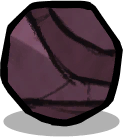
- Because Dirt is so broadly useful, it is often worth saving compact, renewable sources such as compost loops,