Modular Robotics: Robot Heads, Science Pack V Guide
Start by deciding which robot job your factory needs first
If you’re trying to push Foundry into automation-heavy late game, modular robotics is the point where your factories start paying you back in specialized labor. The first mistake to avoid is treating it like one big unlock. It is not. You should pick the recipe that solves your current bottleneck first, then build the rest around that choice.
If your base is short on raw materials, start with the Miner Robot Head. If production is lagging because your setup needs more support and fewer dead spots in the chain, 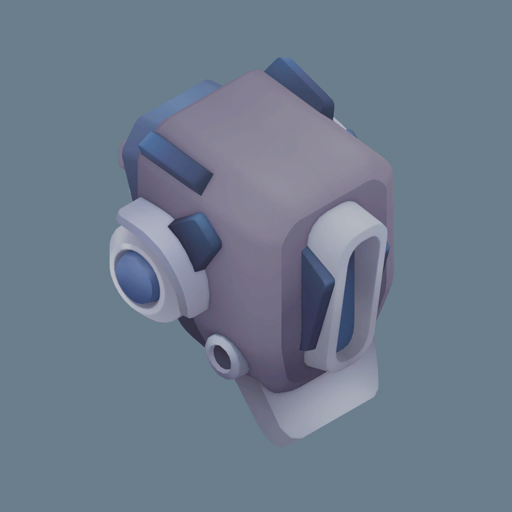
Set up production around the slowest recipe first
Most modular robotics components in this set craft in 15 seconds, which means they are quick enough that you should not let them dictate your factory layout. The real pacing problem is Science Pack V, which takes 120 seconds. That is the recipe you need to organize around first.
Use the following reference as your planning sheet, then build the rest of the line to feed the slow item steadily.
| Recipe | Time | What to use it for |
|---|---|---|
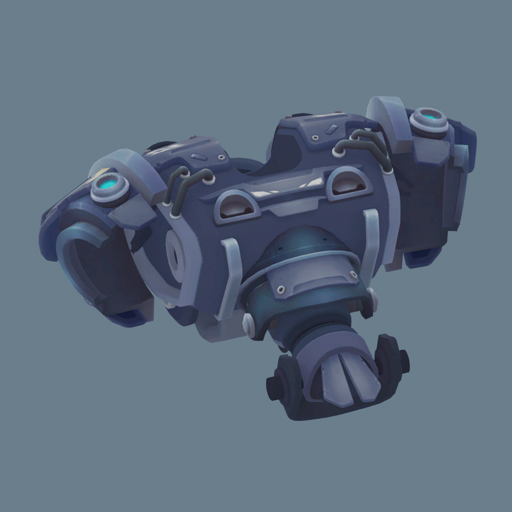 |
15s | Combat unit branch |
|
15s | Production support |
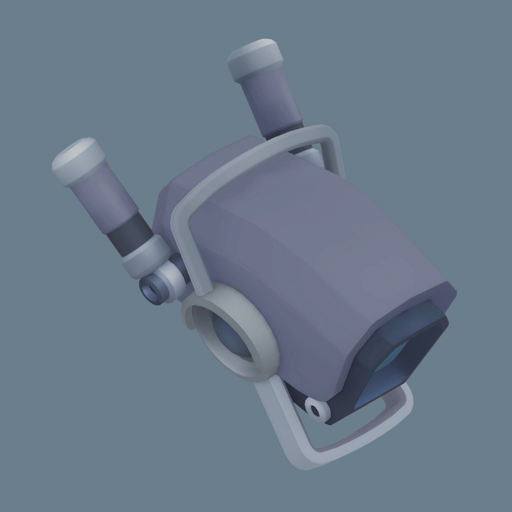 |
15s | Raw material support |
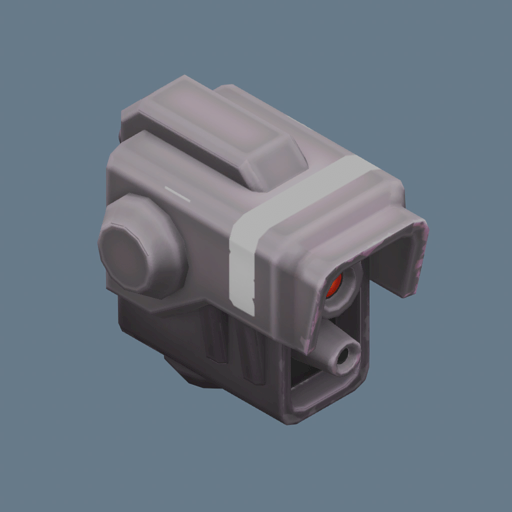 |
15s | Logistics/support |
| Science Pack V | 120s | Progression bottleneck |
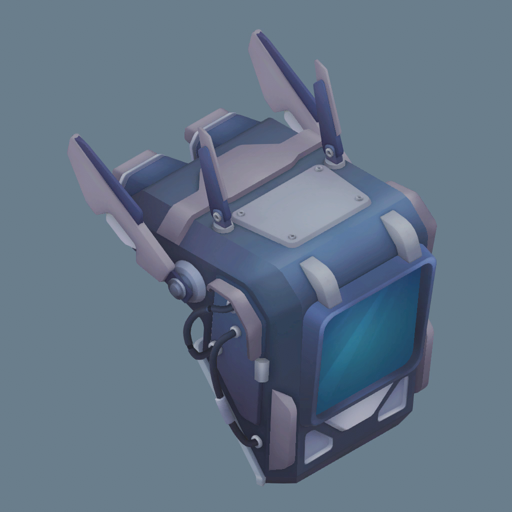 |
15s | Science support |
The practical takeaway is simple: do not overbuild the 15-second recipes and then wait on Science Pack V. Instead, make sure your supply chain can keep Science Pack V moving so the faster robot parts are not sitting idle. If you can only stabilize one part of the line at first, stabilize the long craft.
Use the robot head recipes to specialize before you scale
You get distinct head recipes for Farmer Robot Head,
Start by building the head that matches the immediate hole in your factory. Once that first role is stable and your supply chain can sustain it, then add the next specialized head.
This approach is safer because it lets you solve one problem cleanly. You get a direct improvement you can feel in your base, instead of spreading your materials across several robot roles that all arrive too slowly to matter.
Plan combat support separately from production support
For most players, the smarter first step is production support, not combat.
In other words: if you are safe, build for throughput. If you are not safe, branch into Combat Robot Torso deliberately and accept that it is a separate investment.
Grow the system by adding one role at a time
The cleanest way to expand modular robotics is in stages. First, solve the job that hurts most. Then, once that robot role is reliably fed, add the next one. This keeps the whole system from becoming a half-finished mix of miners, farmers, assistants, science workers, and combat units that all compete for the same resources.
The short craft times on the robot parts make this kind of staged expansion practical. You are not locked into a huge, all-or-nothing chain. That means you should resist the temptation to lay down every robotics branch at once. Instead, make one head recipe or the Combat Robot Torso, get it running smoothly, and only then extend the line.
A good rule is this: do not add a new robot role until the previous one is no longer the thing slowing you down. If Miner Robot Head is improving your raw income enough to stabilize the base, stop there for a while and let it pay off. If you need more support, bring in Farmer Robot Head or Personal Assistant Robot Head next. If progress is your issue, add Science Robot Head once the supply chain can support Science Pack V without choking.
A practical order to follow
If you want a simple sequence, use this mindset: fix resources first, then support, then research, then combat. That usually means starting with Miner Robot Head if extraction is the pain point, moving to Farmer Robot Head or Personal Assistant Robot Head if your production line needs help, adding Science Robot Head when you want faster progression, and leaving Combat Robot Torso for the moment you actually need defense.
The important part is not the exact order of every head; it is that you choose one role, stabilize it, and only then widen the robotics program. That keeps your factory growing instead of scattering attention across too many moving parts.
Modular robotics is strongest when you treat it as a set of focused tools. Pick the tool for the bottleneck, feed the slow craft, and add the next unit only when the first one is already making your base stronger.