Molten Metallurgy: Furnace, Slag, Fuel Guide
If you want molten metals and cast parts in FOUNDRY, the trick is not just unlocking the right recipes — it’s setting up the furnace, keeping it fed, and deciding what to do with byproducts and refined fuels. The cleanest way to get there is to build the line in the right order: start with the blast furnace, solve fuel and slag handling early, then add casting so molten output turns into useful parts instead of backing up. This guide walks you through the practical build order so you can get molten Technum and Molten Xenoferrite moving, turn slag into something useful, and feed the whole chain reliably.
Start with the two machines that make the whole chain work
Build around the Blast Furnace Base first. It has a 20s craft time, so it is the longer early commitment, and it is the part that actually sets the whole molten-metal line in motion. Once that is in place, add the Casting Machine next; it has an 8s craft time, so it is much quicker to bring online and should follow the furnace rather than the other way around.
Use the molten-metal listings as full-size-furnace expectations, not as a casual promise that any furnace setup will match them. 
Here is the quick reference you should keep in mind while planning the line:
| Recipe / Item | Time / Value | Practical use |
|---|---|---|
| Blast Furnace Base | 20s | Core machine to build first |
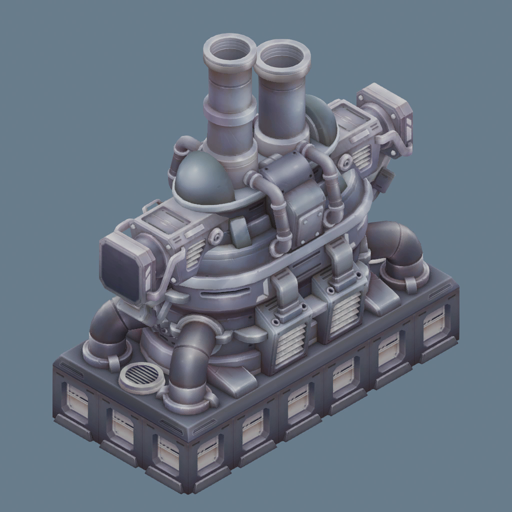 |
8s | Follow-up machine for turning molten output into parts |
| Cement (Slag Reprocessing) | 12s | Use as the clean sink for slag |
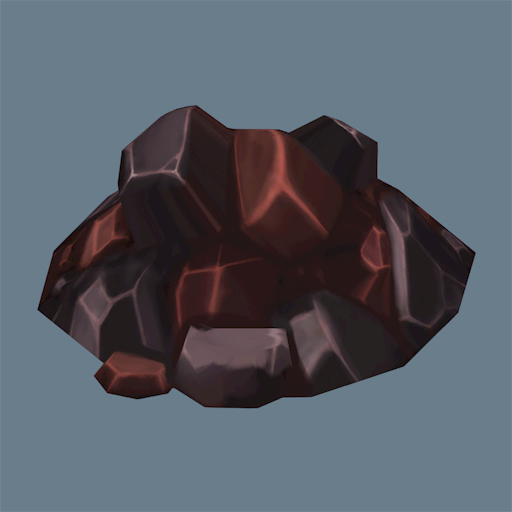 |
11.25s | Refined boiler fuel to support the furnace |
|
Full-size blast furnace rates | Treat as full-size furnace throughput |
 |
Full-size blast furnace rates | Treat as full-size furnace throughput |
| Technum Rods (Tier 3) | 7.5s | Downstream casting product |
| Xenoferrite Plates (Tier 3) | 7.5s | Downstream casting product |
The practical takeaway is simple: do not overbuild casting before the furnace is stable, and do not run the furnace without a plan for what happens to its molten output.
Get a fuel plan in place before you try to run the furnace nonstop
If you want stable steam generation, refine Ignium Ore into Coked Ignium instead of burning ore directly.
The numbers matter here, but only in the way they affect your logistics. Coked Ignium provides 5.5 MJ per unit in a Boiler, and it is produced from Ignium Ore at a 2:5 conversion ratio. That means two units of Ignium Ore become five units of Coked Ignium, so the refined fuel stretches your mined ore farther than raw use would. In practice, that is the better choice when you are trying to keep the furnace chain fed continuously.
Do not treat fuel as an afterthought. Since Coked Ignium stacks and transports like other boiler fuel items, you should build storage and feeding around normal item logistics rather than improvising a one-off supply method. If the boiler feeding stalls, the blast furnace stalls behind it, and then your whole molten line starts idling. That is the bottleneck to fix first: keep the boiler supplied with Coked Ignium before you worry about expanding downstream casting.
Do not waste slag — route it into reprocessing as soon as you can

Your best early option is to send Blast Furnace Slag into Cement (Slag Reprocessing). That recipe takes 12s, and it gives you a clean way to turn a byproduct into something usable while keeping the furnace area clear. Do not leave slag unmanaged, because once the furnace starts running steadily, byproducts can become just as much of a bottleneck as input fuel.
The rule of thumb is straightforward: if you are already committing to molten production, commit to fluid routing too. Set up the slag path early, and you will spend less time untangling backups later.
Feed the molten output into casting instead of letting it sit idle
Once molten metal is flowing, move it quickly into casting so the furnace keeps working and your downstream parts keep pace. The Casting Machine is a separate production step from the blast furnace, so you should think of it as the handoff point, not an optional extra. If molten output sits around waiting, the blast furnace can back up, and then you lose the throughput you were trying to build.
The downstream parts you are aiming for here are Technum Rods (Tier 3) and Xenoferrite Plates (Tier 3). Both have a 7.5s craft time, which tells you they are quick enough that casting should keep pace if you size the line sensibly. That is exactly why the casting machine belongs immediately after the furnace: you want enough casting capacity to prevent the blast furnace from idling behind a full output queue.
Do not build only a furnace and assume the rest will sort itself out. In practice, the furnace, casting, and fuel supply need to move together. If any one of those three falls behind, your molten line slows down.
Scale the line around the full-size furnace before chasing higher output
When you expand, scale the furnace, fuel, and casting side together instead of upgrading only one piece. The important caution here is that the Molten Technum and Molten Xenoferrite numbers are already framed around a full-size blast furnace, so a smaller or underfed setup will not match those expectations.
That means you should resist the temptation to chase more output by adding more casting or more storage first. If the blast furnace is not full-size, or if Coked Ignium supply is inconsistent, the rest of the line will never look efficient no matter how much you expand around it. Build the furnace to match the throughput you want, feed it with reliable boiler fuel, route Blast Furnace Slag into Cement (Slag Reprocessing), and only then add more casting capacity if your output still has room to grow.
If you follow that order, the whole chain becomes much easier to manage: fuel first, furnace second, slag handling third, casting immediately behind it. That is the path to a molten line that runs instead of jams.