Lore: GATE Compendium & Notable Entities Guide
The GATE Compendium collects classified observations, designations and containment protocols for anomalous lifeforms and phenomena encountered by GATE. This "lore" page synthesizes the known background, behaviours and institutional responses for a selection of notable entries—creatures, organisations, facilities and recurring motifs—that appear across the Cascade Research Facility files.
Overview: what GATE studies and why it matters
GATE studies perforation phenomena (portals to “anteverses”), anomalous biology, quantum/tachyonic signatures and the geomagnetic/telluric forces that mediate them. Many of the entries below were recovered during early perforation experiments (notably the 1987 
Recurring themes and field motifs
- Perforation phenomena: many containment protocols require suppression fields and distance from active perforations; some entities are themselves associated with or produce perforations, necessitating specialised “perforation‑suppressive” measures.
- Geomagnetic and telluric sensitivity: a number of species (and sites) are influenced by the planet’s magnetic and telluric currents. Site selection for containment or observation often avoids geomagnetically active loci; conversely, some anteverse features (e.g., the Lodestone in Anteverse 168) appear tied to creature distributions.
- Bioelectrical and quantum effects: several IS specimens exhibit bioelectric adaptations and retain quantum properties when organs are removed; these properties complicate study and containment.
- Acoustic phenomena: certain creatures emit unresolved vocalisations or “songs” whose long-term effects on humans remain unknown, prompting acoustic baffling recommendations.
- Tool use and social behaviour: some variants display crafted ornaments or tool-associated behaviour, indicating a level of technology or cultural practice in their original environments.
Notable entities and their dossiers
IS-0184 family — Exor variants (Crucis)
IS-0184-A — Exor
- A bipedal hunter with a sophisticated bio-electric defence adaptation.
- Observed in the wild forming small groups gathered around a single IS-0184-B in postures described as “supplication” or “abeyance.”
- Both IS-0184-A and IS-0184-B emit a series of modulated frequencies during these gatherings.
- Containment: Grade 4 impact shielding and/or Grade 5 blast dampening (GISP); all personnel must wear Grade 4 body armor with full electrical grounding even when the subject is sedated or unconscious; direct interaction is not advised. Expose to no flammables. Feed remotely.
IS-0184-B — Exor (Monk variant)
- Near relation to IS-0184-A with notable differences: specimens recovered from Anteverse 2 can generate short-range perforations using internal bioelectrical energy.
- Recovered specimens often show crafted decorations, implying tool-making capacity.
- Fascinatingly, neutrino detection in Cascade linked bursts of neutrino activity to behaviours of IS-0184-B; localized neutrino bursts appeared to originate from an IS-0184-B containment cell and data hinted at prior incoming, collimated bursts from an unidentified external source.
- Containment: heavy shielding and perforation‑suppressing containment; sites must avoid geomagnetically and tellurically active locations; fail‑safe connection to backup power is mandatory (micro‑lapses in suppression fields risk containment failure); subjects cannot be approached unless sedated; feed remotely.
IS-0184-C —

- The most aggressive and destructive known variant of the IS-0184 line; heavily chitinous armor, bioelectrical tracking projectiles and ultrasonic vocalisations.
- Containment: Grade 5 impact shielding, heavy blast dampening, electrical grounding rated to 2 MW, full acoustic baffling and an approved one-way accession portal. In practice, anything less than permanent sedation carries considerable risk of injury or death.
IS-0184-D —
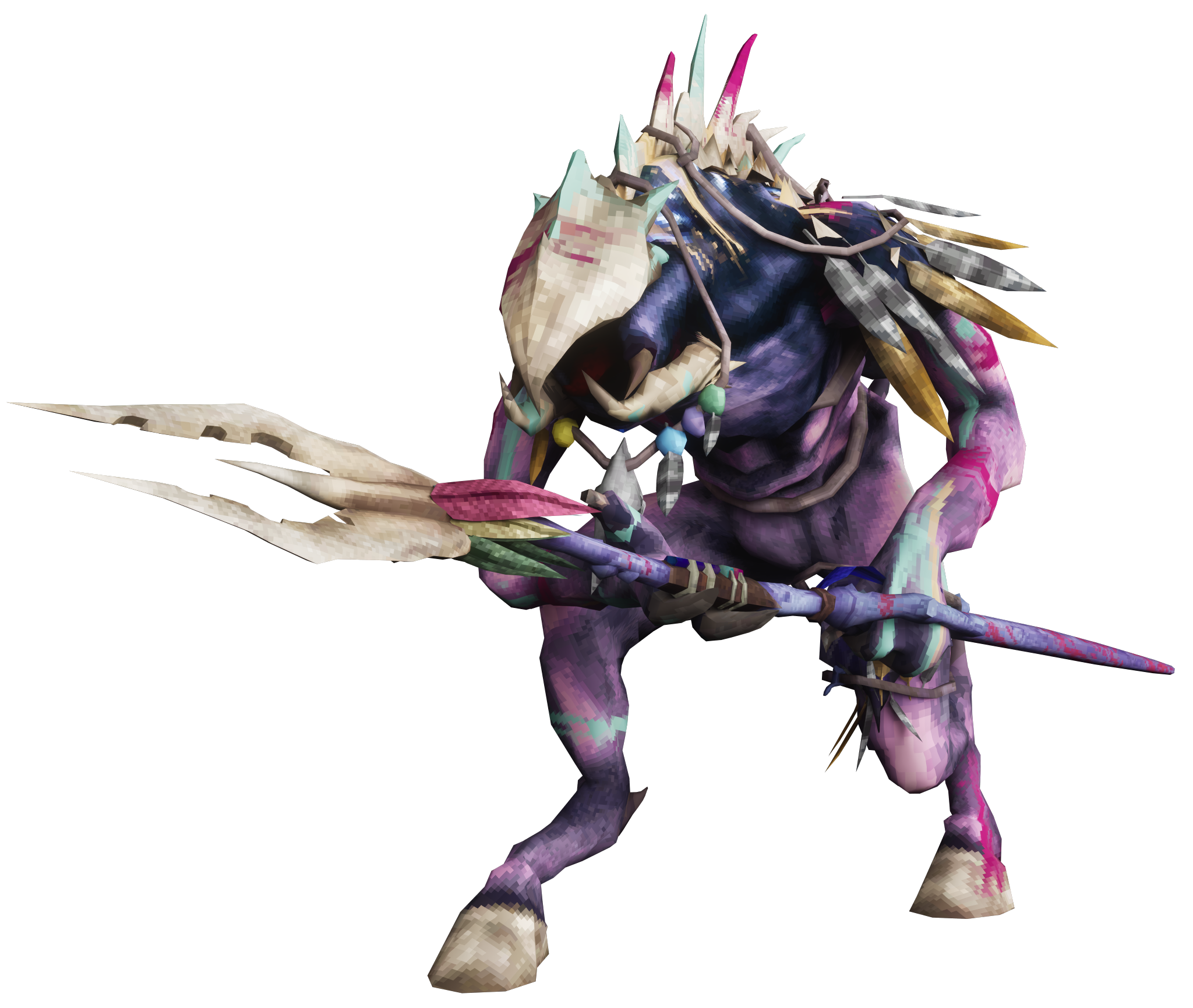
- Requires geomagnetic isolation and permanent, fail-safe connection to backup power. Full-spectrum perforation-suppressive measures must be observed at all times within 20 meters of the entity.
- Must be kept away from sticks, branches, short poles, pikes, long-handled tools or any implement it might use as a weapon.
Notes on Exor physiology/behaviour:
- Variants differ in size, plating, quill counts and bioluminescent patterns. Some individuals kept in containment show signs of distress when body parts (e.g., horn-like protrusions) are removed; those organs can retain quantum properties after removal.
- Group gatherings around IS-0184-B and associated modulated frequencies are of unresolved significance, and may connect to the neutrino anomalies observed by Cascade staff.
IS-0064 — Composer (Crucis)
- Named for the haunting, untranslated “melodies” emitted while moving; Composers appeared in Flathill immediately after GATE’s first successful perforation experiments and are associated with the mists that now enshroud the town.
- Subjects appear constrained in their territorial movement by local geomagnetic and telluric currents; an alternative hypothesis links their movement limits to conditions in their home anteverse.
- Containment: facilities must be located at least 2000 m from any perforation phenomenon, be hermetically sealed, employ perforation‑suppressing fields and have backup power. Acoustic baffling is recommended because the long-term effects of exposure to their songs are unknown.
IS-0023 — Darkwater Beast (Crucis)
- Megaspecimen-class: field reports reliably describe individuals exceeding 50 m in length.
- GISP hydro-containment guidelines stipulate pools of at least 80 x 15 m for specimens under 15 m; IS-0023 is predicted to outgrow current megaspecimen facilities.
- All researchers must be accompanied by trained Gatekeepers or personnel competent with EM emission devices (defensive use) in the 100 eV to 100 keV range.
- Strict feeding schedules; never feed outside the defined weekly plan.
IS-0255 — Bigfoot (Crucis)
- Subject to standard megaspecimen containment. Extra precautions to prevent access to any items that could be fashioned into tools (cleaning equipment, dishes, wire, screws, general metallic objects).
- Personnel studying IS-0255 must leave photographic and recording equipment outside; presence of such devices can provoke violent agitation.
IS-0171-A — Carbuncle (Sanc)
- Origin: Anteverse 2; a sessile, stationary entity that captures prey with a retractable tentacle.
- Containment: isolated by a perimeter cordon of approximately 12 ft (3.6 m) radius; no personnel may approach within 10 ft (3 m) without full face and body protective wear conforming to GISP bio-protective standards. Full decontamination for exposed equipment is mandatory.
IS-0173 family and IS-0178-E — Electric variants and Alpha Peccary (Thela)
- IS-0173-B (Electro‑Pest) and related forms require non‑metallic environments and full electrical isolation; containers should be lined with non-conductive padding and grounded equipment must be used for any interaction.
- IS-0178-E (Alpha Peccary) follows general IS‑0173 containment but its larger size has led some researchers to argue for containment greater than 3×3 m. Debates over “ethical” containment for IS species are ongoing.
IS-0422 — Bogman (Pending)
- Aggressive, semi‑amphibious creatures discovered in Anteverse 168 by Dr. Lenora Riggs.
- Thought to be sensitive to subsonic/infra‑sonic sound.
- Origins and evolution unclear; Riggs suggests a connection to the Lodestone found in Anteverse 168; designation pending and protocols under review.
A299 larval organisms — The Hive
- A collection of larval organisms thought to derive from Anteverse 299. Likely hive entities communicating largely via scent and olfactory cues; in some life stages they form the hive structure itself.
- Intelligence, life-cycle details and full behaviour require further research.
Personnel, groups and internal units
- Cascade Laboratories: primary facility sector for advanced study and containment; holds the Containment Blocks where immurement subjects from various anteverses are housed. The Dark Lens (used to control perforation events) was a prime target during the Order assault; its removal precipitated system-wide containment failures and re-emergent perforations.
- Gatekeepers and TransRecon: field teams and specialists who conduct anteverse expeditions and containment operations. Gatekeepers often accompany researchers when handling megaspecimens and are trained in defensive EM device usage.
- Order factions and roles:
- Clericum (

- Triarii (
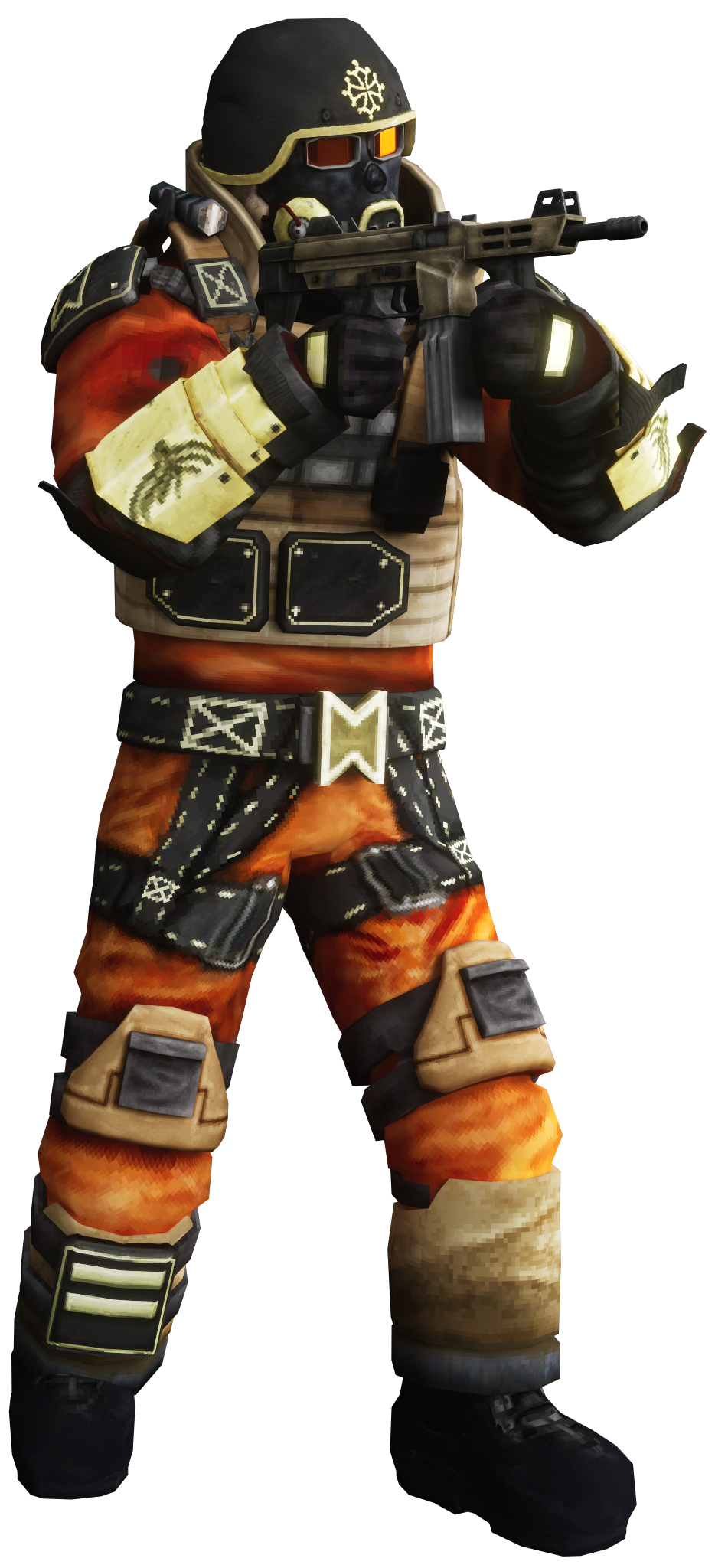
- Legates (
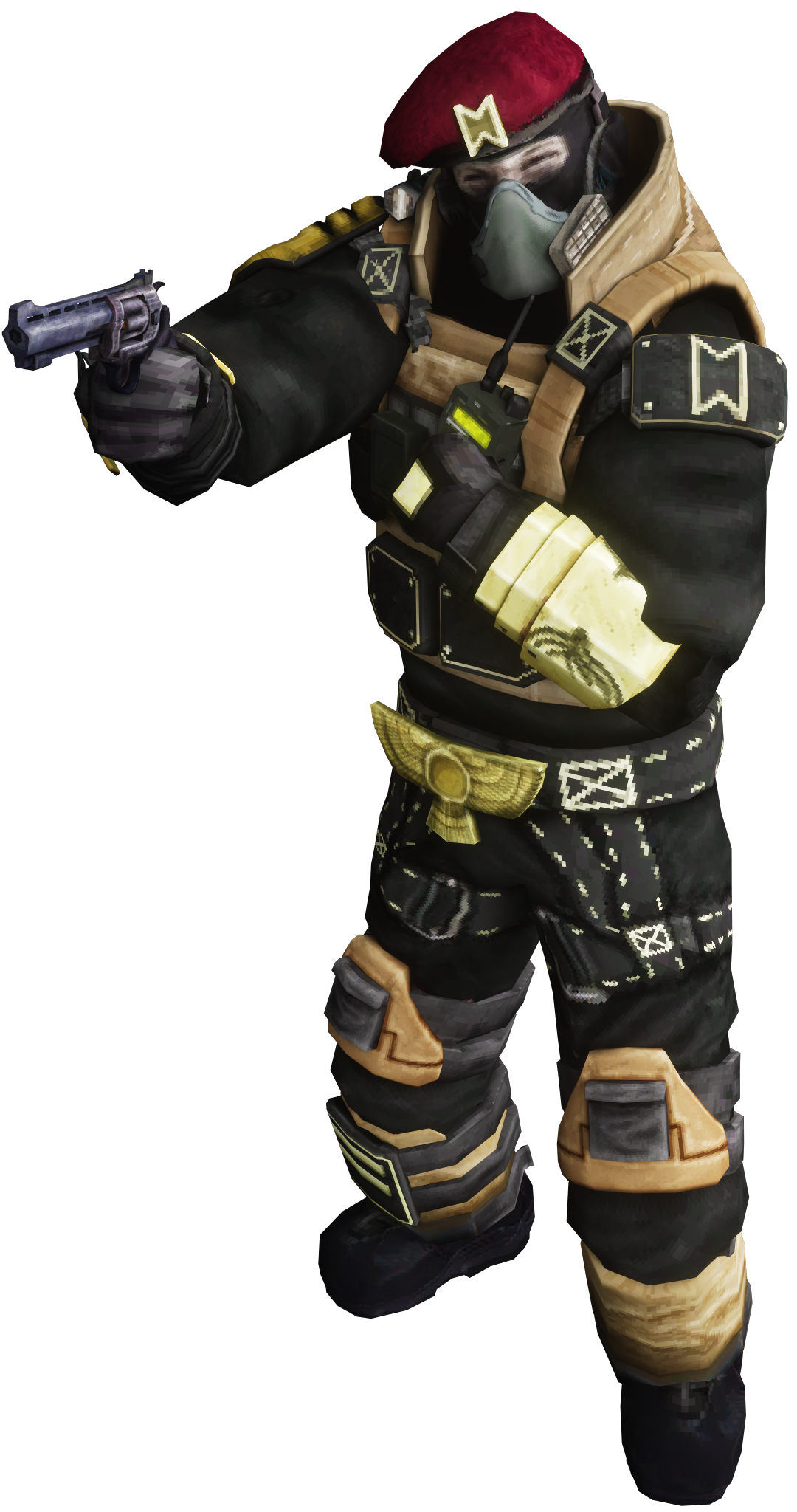
- Interfector (

- Exulum (Breacher): penal shock troops, forced to redeem perceived spiritual or honour failures through frontline service.
- Purgati (
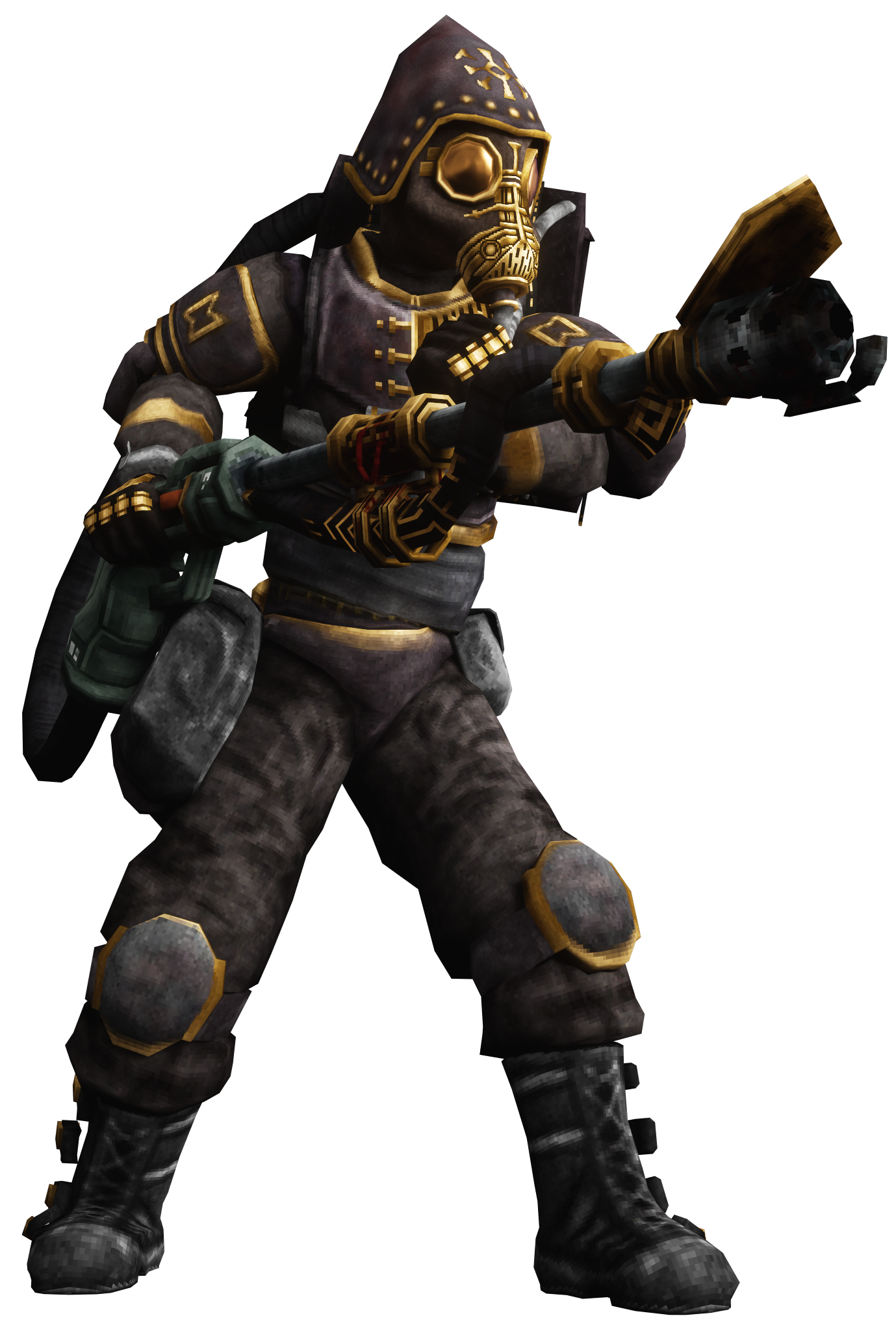
- Clericum (
Facilities and loci
- Flathill’s geographic nexus of continent‑scale telluric/geomagnetic currents made it the site of GATE’s first perforation experiments (1987).
- Many anomalous appearances (Composers, mists) are tied to Flathill’s early perforation history.
- GATE Finial Observation Facility (The (REDACTED) Islands):
- An ornithological front for a major facility sited above an intense convergence of geomagnetic/telluric forces. The site hosts a megalithic trilithon structure of unknown origin; chosen because of an unusually intense near‑surface force nexus.
Operational cautions and general containment principles
- Avoid geomagnetically and tellurically active locations when siting containment for perforation-sensitive entities.
- Perforation‑suppressive fields and fail-safe backup power are mandatory for subjects that generate or are associated with perforations—micro‑lapses in suppression can cause containment failure.
- Acoustic baffling is advised for entities emitting unknown or cognitively affecting vocalisations.
- Electrical isolation, grounding and non‑conductive containment are required for electrically adapted specimens.
- Strict control of potential toolmaking material in megaspecimen containment is essential to prevent escape or improvised weapon manufacture.
- Many specimens require remote feeding and prohibition on direct interaction—even when sedated—due to bioelectric, acoustic, quantum or behavioural hazards.
Open questions and research priorities
- The relationship between IS-0184-B behaviour and detected neutrino bursts, including the source and nature of the “incoming collimated bursts” suggested by Cascade data.
- The degree to which external agents (non‑terrestrial influence) have shaped the evolution and variants of the IS-0184 line.
- The long-term cognitive or physiological effects on personnel exposed to Composer songs or other unexplained acoustic emissions.
- The mechanisms by which certain organs retain quantum properties when removed, and the implications for containment, study and applied research.
This compendium synthesises current, classified field notes and institutional protocols. Entries are active subjects of ongoing study; containment protocols are updated as new observations and incidents inform GATE policy.