beginner
Valheim begins as a harsh survival game with very little in hand, so the first few decisions matter a lot. In the opening hours, your goals are simple: gather basic resources, survive the night, build a safe base, and prepare for Eikthyr.
The first day: gather, craft, and stay alive
You start with nothing and must collect the basics yourself.
- Pick up wood from branches or by punching small trees.
- Pick up stone from small rocks on the ground.
- Craft a stone axe as early as possible. It is one of the first tools you can make and is used to cut trees for faster wood collection.
- Use the axe to defend yourself against early enemies like
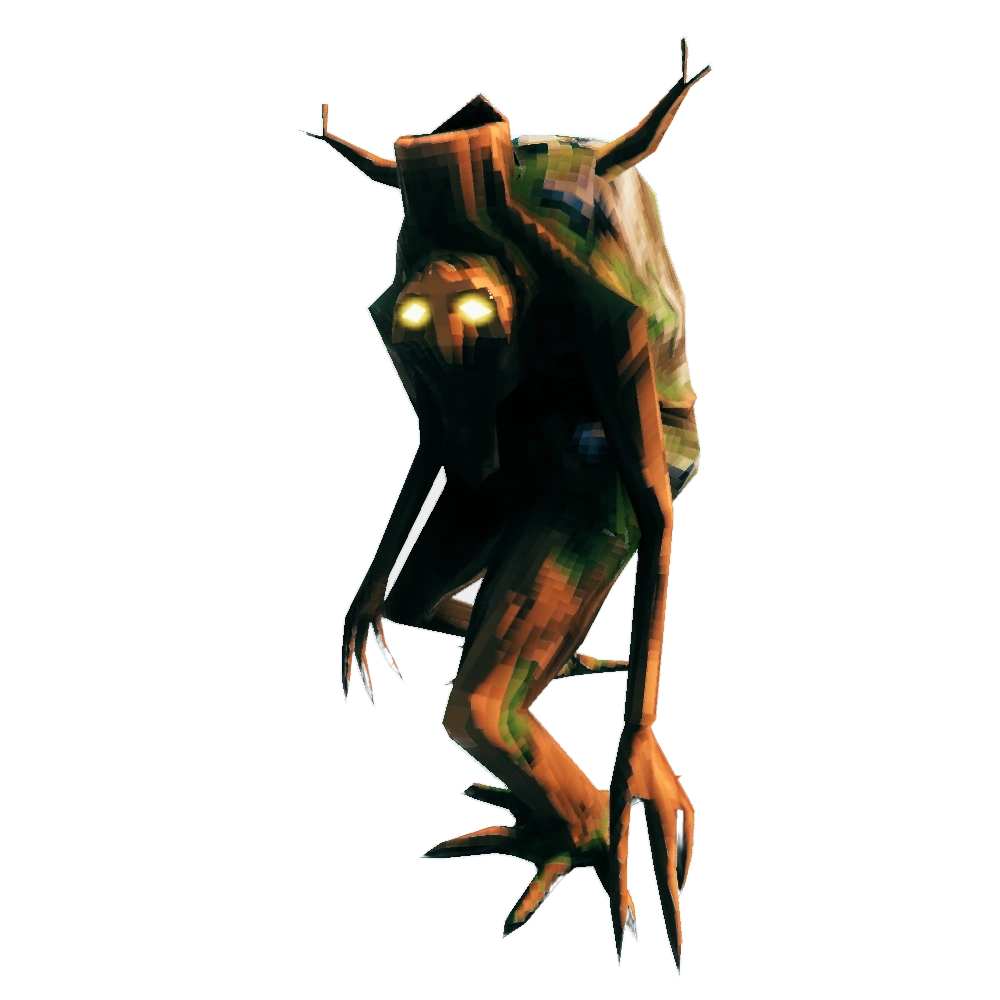
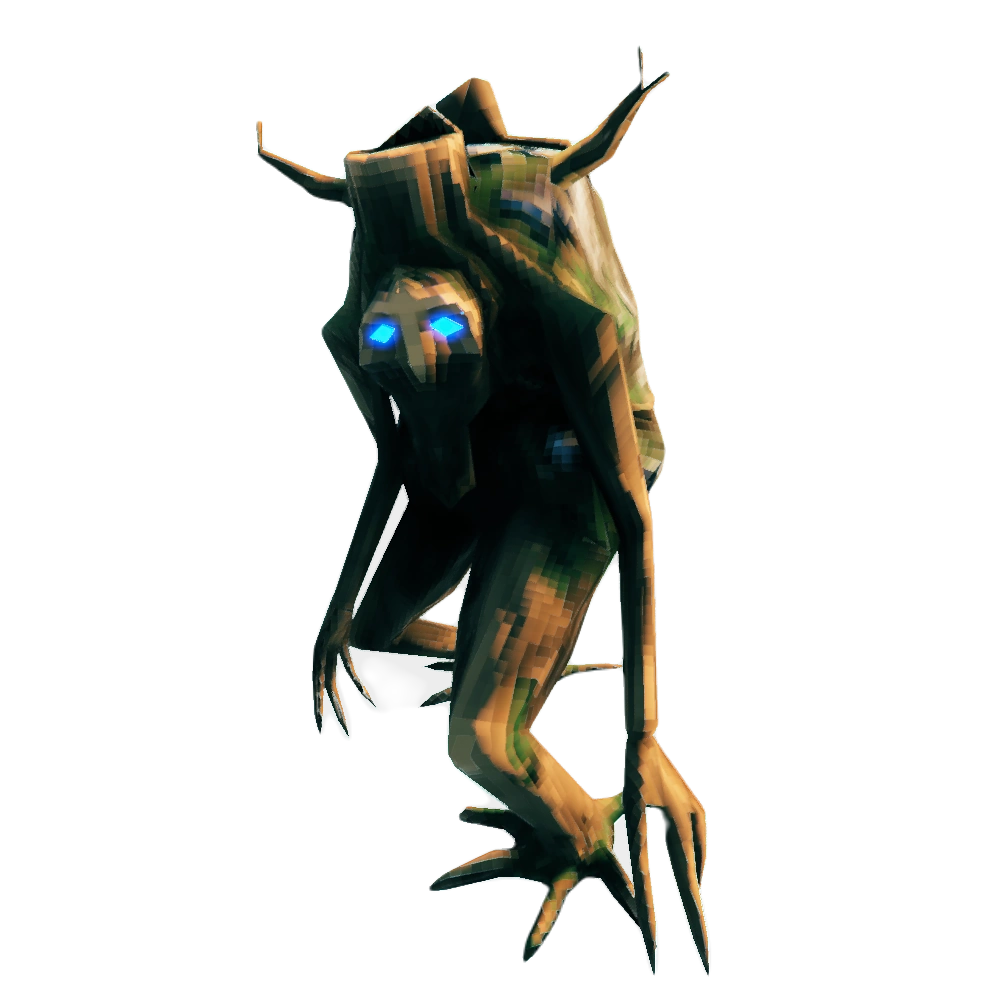
Early exploration is important, but do not overextend. Find a good place for your first camp, preferably near a coast or river for access to resources such as flint. While exploring, collect raspberries and mushrooms and eat regularly to increase your maximum health and gain gradual healing.
Early food
Food is one of the biggest advantages a beginner can get.
- Eat several different foods to raise your health and stamina.
- Early foods like cooked meat, grilled meat, berries, mushrooms, and fish-related foods all help you survive longer.

- Once you obtain carrot, new food recipes become available.
Your first shelter
Once you find a place to settle, build a simple camp immediately.
- Craft a hammer.
- Build a

- Put up a basic roof and walls.
- Place a bed and a campfire.
A campfire must have open space above it so smoke can escape. Smoke is deadly, so do not seal it in. A Workbench is one of the first structures you should place because it enables crafting, repairing, and construction around it.
A Workbench must be roofed and 70% enclosed by building pieces to be used for crafting and repairing. For construction, the Workbench does not need a roof or enclosure. Its effect extends in a 10-meter radius, and enemies cannot spawn inside that area.
Early combat basics
Valheim rewards defense and timing more than rushing forward. A beginner should learn to block, parry, and counterattack.
Shields and parrying
Round shields are the main early shield type. They sit between bucklers and large shields in function.
- They have a parry bonus of x1.5.
- They do not punish failed parries as harshly as bucklers.
- They do not slow movement as much as large shields.
- They are the standard choice for many one-handed weapon setups.
The early game commonly uses a one-handed weapon plus shield. Combat is often about waiting for the enemy to attack, parrying, and striking during the enemy’s stagger.
Torch
The torch is the earliest light source in the game.
- It does not require a Workbench to craft.
- It can be held in the offhand with a melee weapon in the main hand.
- It has a three-hit attack chain, and the third hit deals double damage.
- It is used to scare away enemies that fear fire, especially early creatures like Greylings and Greydwarfs.
Clubs and blunt damage
The club is the first one-handed blunt weapon.
- Its first attack is a 3-hit combo, with the last hit dealing x2 damage.
- It has no secondary attack.
- It is especially useful early because Skeletons are vulnerable to blunt damage.
- It is cheap and good for recovering a body in dangerous areas.
Swords
Swords are simple, efficient weapons with good damage efficiency for the stamina they use.
- Like axes and clubs, the third normal attack deals double damage.
- The special attack thrusts forward and deals triple damage.
- Swords are not always the best early main weapon because many enemies are not especially weak to slash damage.
- Since you already carry an axe for woodcutting, the sword’s advantage is smaller early on.
- Later, swords can become more attractive when large knockback from blunt weapons makes follow-up hits harder and axe swings feel slower and riskier.
Early enemies
The first enemies are manageable if you approach them carefully.
Greyling
Greylings are among the first enemies you will meet.
- They are weak and have low health.
- They rush the player and attack several times before retreating.
- Like wild animals, they fear fire and run from a player holding a torch.
Greydwarf
Greydwarfs are a stronger early nuisance.
- They avoid fire.
- They attack in close combat and also throw stones from range.
- Their ranged stone attack is important to dodge early, especially when fighting groups.
- Against a single Greydwarf, block or parry, then counterattack.
- When fighting groups, pull them apart and avoid the stones thrown by the others.
Building your first progression path
Once your first shelter is safe, move toward crafting and exploration.
- Make a
- Explore the starting biome for more resources.
- Gather enough materials to upgrade your tools and weapons.
- Focus on survival first, then on expansion.
The 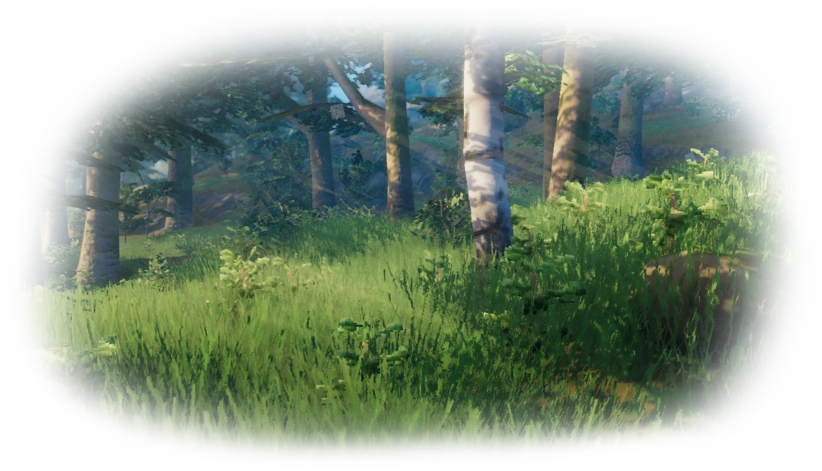
Beating Eikthyr
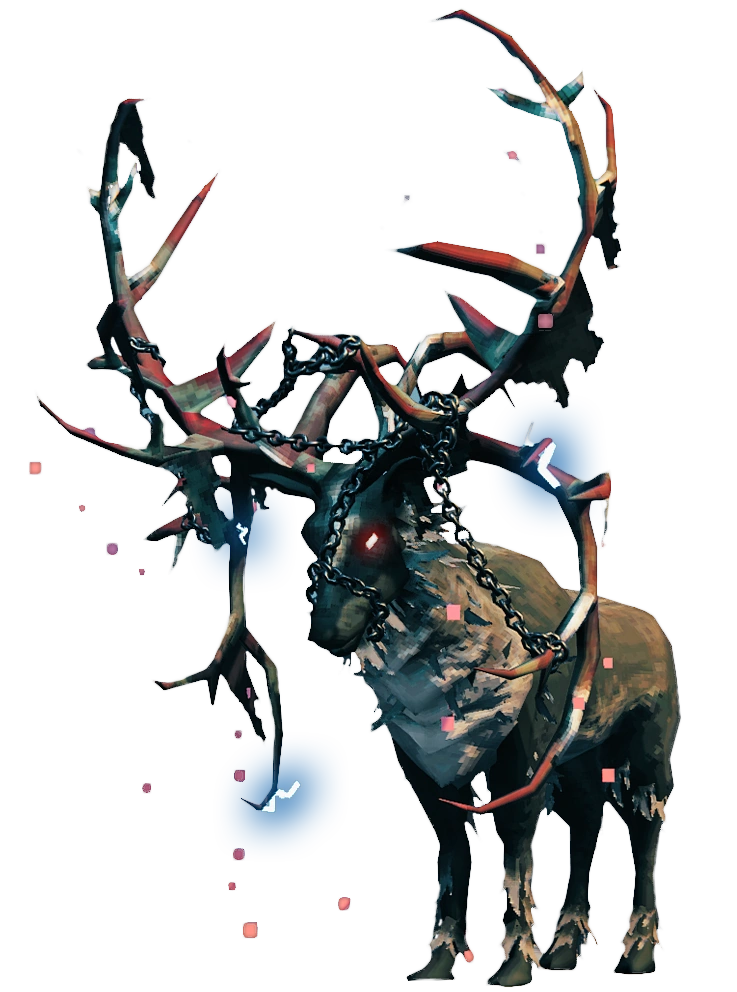
Melee approach
A very common beginner strategy is:
- Wear basic gear.
- Eat a strong meal setup with several different foods.
- Get the Rested effect before the fight.
- Use a


- Block his attacks and strike between them.
With good timing, this can defeat him very quickly.
Ranged approach
You can also defeat Eikthyr with a bow.
- Circle around the large altar rocks to keep distance.
- The rocks protect you from his lightning beam.
- They do not protect you from all of his lightning attacks.
A good early bow can be crafted before the fight with enough patience.
Resource priorities after the start
After your first boss preparation, your next goals are stronger tools and materials.
Pickaxe
The simplest way to get your first pickaxe is to defeat the first boss and obtain the antler pickaxe.
Coal

- Early on, it can be made by leaving cooked meat on a grill too long until it burns.
- It is also produced in a

- It can be found as a reward from sacrifices to Thor in a destroyer.
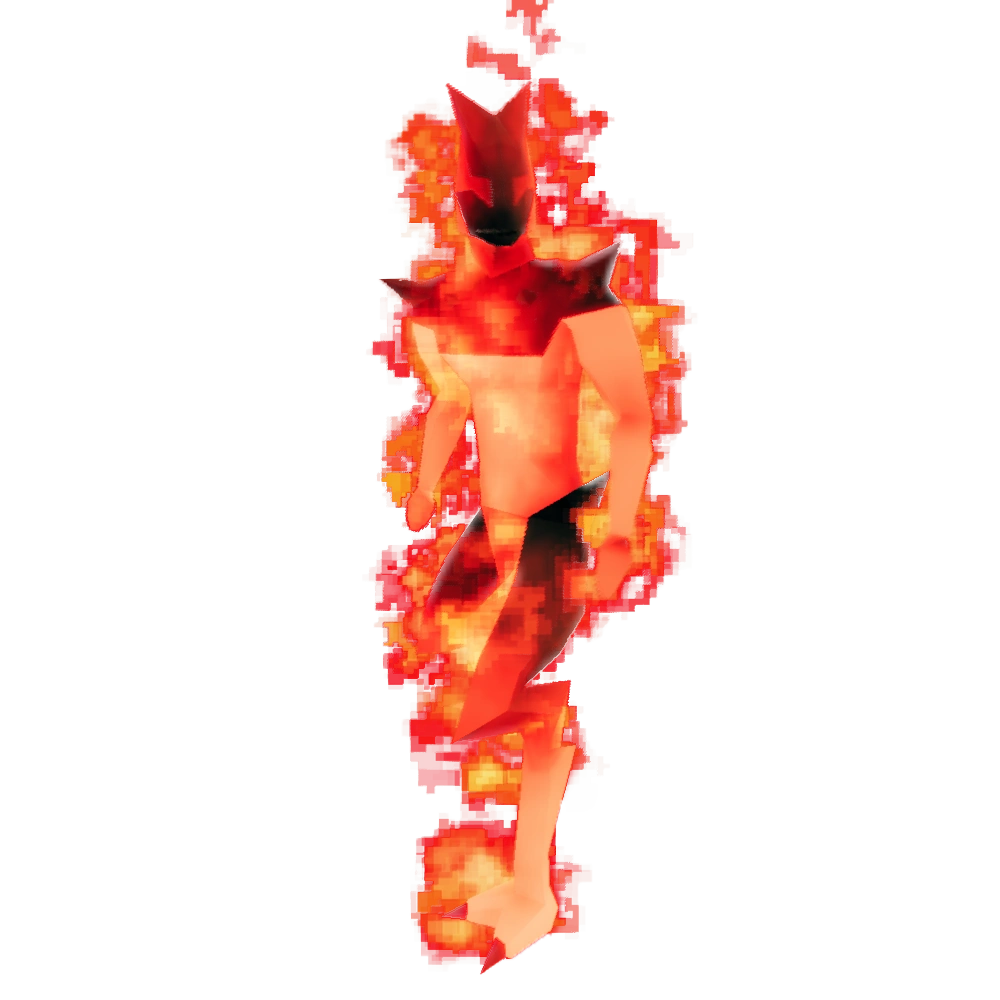
- It also drops from
Smelting progression
A major early milestone is reaching the underground burial chambers and gathering the materials needed for metalworking. Those chambers contain the resources required to build the Charcoal Kiln and 
Useful early tools and comfort items
Some items are especially helpful for beginners because they improve survival or quality of life.
- Hammer: essential for building.


- Bow: useful for safer boss fights and ranged hunting.

Taming: not for the first minutes, but worth knowing
Some creatures can be tamed later, and beginner food plays a role in that progression.
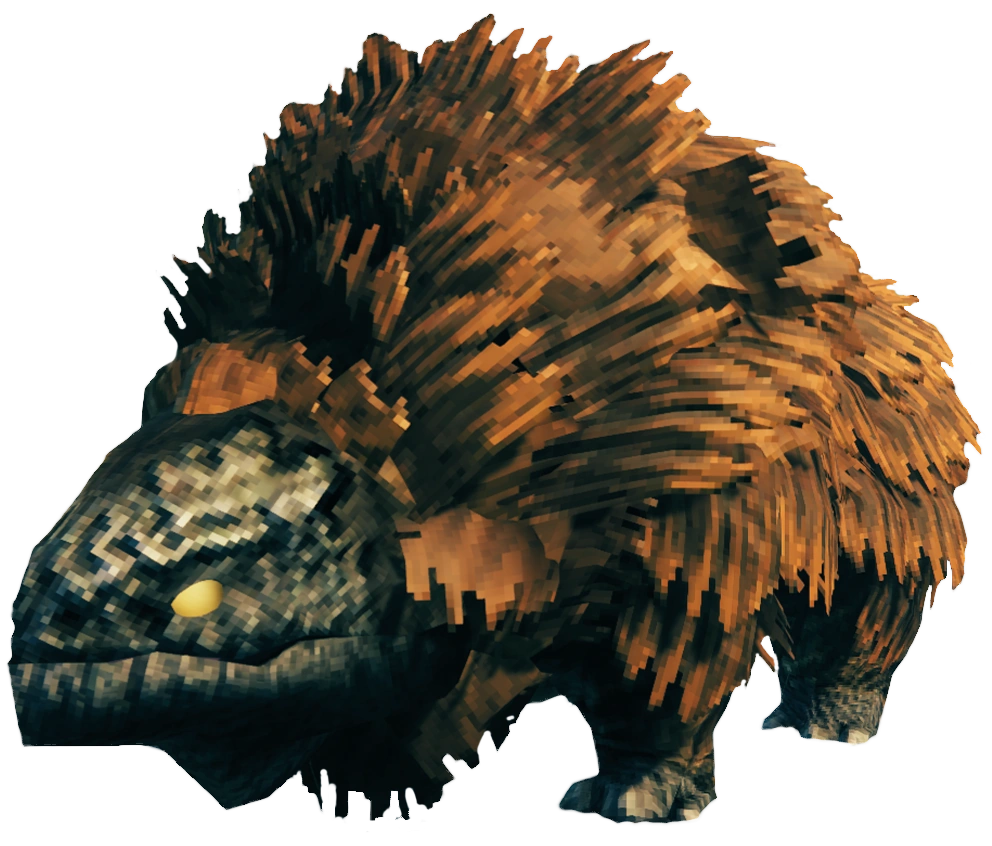
- Boars can be fed with carrots once you have them to continue taming or allow reproduction.
- Wolves become powerful allies, but taming them is a later step and usually begins at night for starred wolves.
For a new player, the important lesson is that food is not only for healing; it also supports taming later on.
A good beginner mindset
Valheim is built around preparation.
- Gather before you fight.
- Build shelter before you explore too far.
- Eat before combat.
- Use fire against early weak enemies.
- Block and parry instead of trading hits.
- Return to base before carrying too much risk.
If you follow those habits, the first hours become much easier, and the path from the Meadows to your first boss and beyond becomes much smoother.