tips
Valheim rewards good preparation more than reckless aggression. A few simple habits make early survival, exploration, and base building far easier, and they remain useful all the way into the late game.
Early priorities
Your first goals are basic tools, food, and a safe shelter.
- Craft a


- Make a

- Build a Hammer and set up a

- Carry a

- Gather


Food and stamina management
Food choices matter because health and stamina come from what you eat.
- Early on, cooked basics like Cooked Meat,


- For better stamina, QueensJam and

- Do not waste rare ingredients casually. Berries, mushrooms, and thistle are used in cooking and mead later.
- When gathering or building, keep stamina high by pacing your actions instead of emptying the bar.
- Sitting with X increases stamina regeneration and is useful during long tasks or before a fight.
- If you have safe downtime, sleep. Sleeping advances time and helps you recover efficiently.
Base building and comfort
A solid base saves time and protects resources.
- Use a
- Keep a roof over your head when possible. Shelter prevents rain from soaking you and lets you gain the Rested bonus when combined with a fire.
- Fires need ventilation. Any indoor fire must have a clear path for smoke to escape, or it will hurt you and go out.
- Place comfort furniture in different categories to extend the duration of the Rested effect.
- Do not build fires where wind and rain will constantly extinguish them unless the structure protects them.
Wood and resource handling
Many early mistakes come from poor resource management.
- Mark useful gathering spots on your map, especially mushrooms, berries, and thistle.
- Mushrooms and other pickable ground resources respawn after a few in-game days, so returning routes are efficient.
- Berries do not respawn as bushes once destroyed, so avoid breaking berry bushes.
- Keep a stockpile of
- Save Fine Wood carefully; it is needed for many important upgrades and buildings.
Combat basics
Valheim combat is built around damage types, blocking, and timing.
- Different weapons deal different damage types, and enemies react differently to each one.
- Blunt weapons are strong against many early enemies.
- Axes and Swords deal Slash damage.
- Bows, Spears, Polearms, and Pickaxes deal Pierce damage.
- Some weapons have special elemental damage, such as

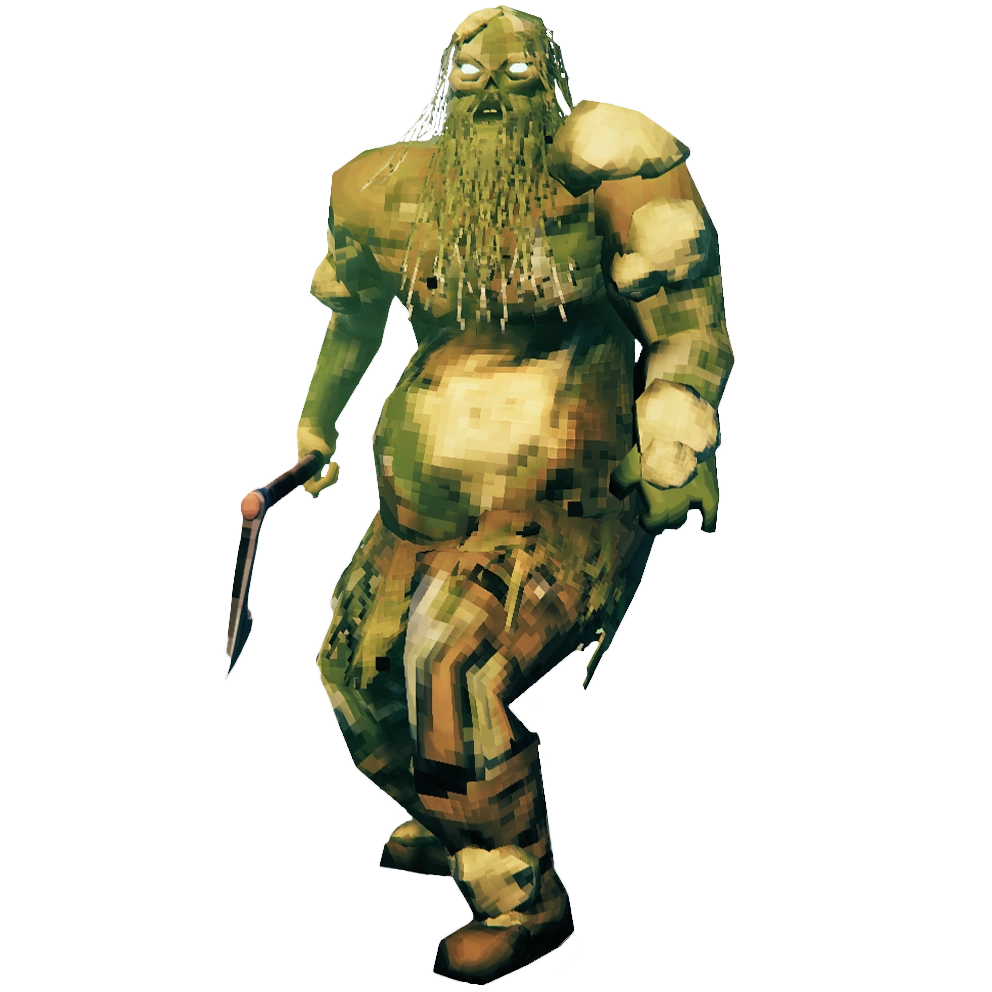
- Learn to parry. A successful parry gives you a better opening than simple blocking.
- A Buckler is best when you are confident in parrying.
- A Round shield is the balanced choice between parry power and general defense.
- A Tower shield gives strong blocking and knockback control, but it is less suited to aggressive solo play.
Using weapons well
Different weapons fill different roles.
Axes
Axes are practical because they are always useful for chopping wood. In early combat, they are decent all-purpose weapons, but later they are often outclassed by more specialized gear.
Swords
Swords are simple and efficient for stamina. They have strong combo potential and a long thrusting special attack. They become more attractive when you want reliable melee without the heavy knockback of blunt weapons.
Blunt weapons
Blunt weapons are excellent for blocking enemies in place and creating openings. They are especially good when paired with a shield. Their knockback can make follow-up hits harder later in the game, but they remain dependable.
Bow and crossbow
A bow is one of the best early investments because it makes hunting much easier.
- The

- The

- The Crossbow fires more directly than a bow, making it easier to hit targets, but it has a slow reload and is a separate skill line.
Resource progression tips
Some upgrades unlock whole new stages of the game.
- The

- A

- Fine Wood unlocks many better structures and tools, including more advanced bows and portals.
- In the Black Forest,

- Transporting metal is a bottleneck, so plan your logistics before you mine large amounts.
Hunting and taming
Food and mounts can turn hard zones into manageable ones.
- Boars are worth taming early because they provide steady meat and breeding.
- To tame boars, sneak close and feed them the correct food while keeping them calm.
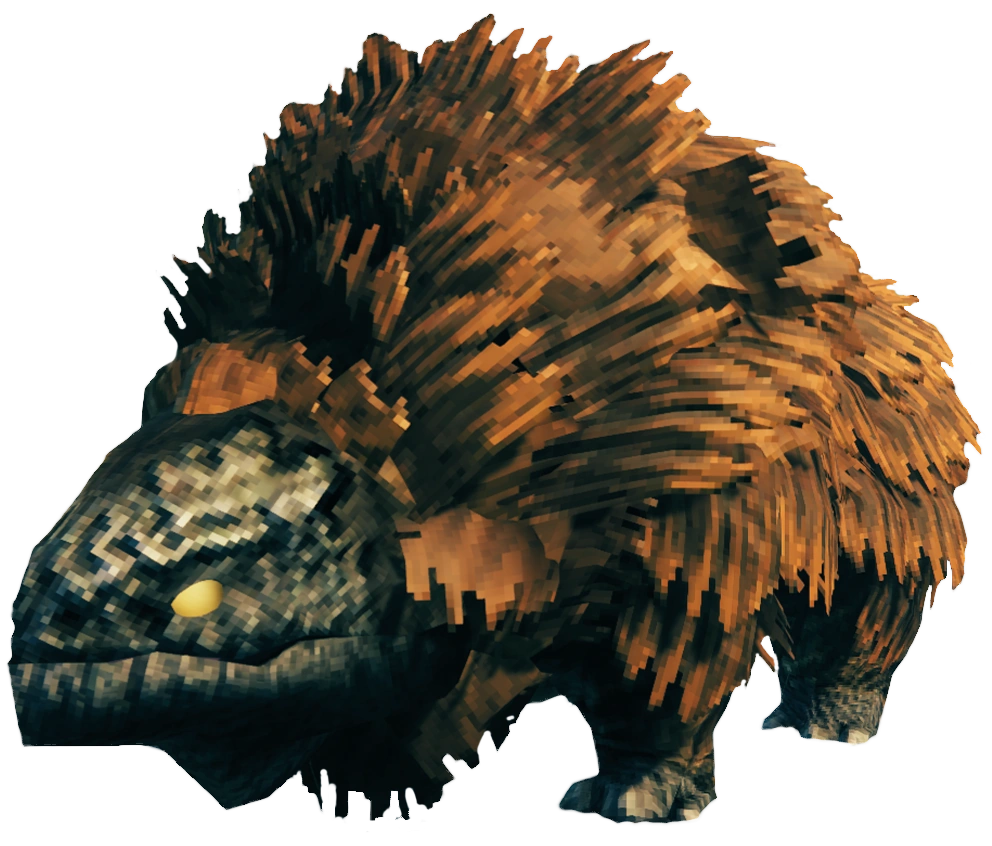

- Tamed Lox are useful as battlefield allies because enemies often attack them instead of you.
- Wolves are dangerous in groups, but they are also valuable once tamed for defense and breeding.
Weather, fire, and survival effects
Environmental effects matter more than many players expect.
- The Wet status lowers your effectiveness and blocks comfort until you dry off.
- Fire removes Cold at night and helps dry you faster.
- Some enemies fear fire and will avoid it.
- Rain and harsh weather can interfere with combat, ranged play, and certain elemental weapons.
- Use terrain and shelter to control fights whenever possible.
Cave and terrain tricks
A few movement and terrain tricks are very useful.
- You can use steep slopes and pits to control enemy movement.
- A hoe or pickaxe can create defensive terrain and elevated cover.
- Falling logs can kill you, but they can also be used to damage trees and enemies if you are careful.
- Many enemies struggle with narrow gaps, steep drops, and uneven ground, so positioning is often stronger than raw damage.
Fishing and food gathering
Fishing is a specialized but worthwhile food source.
- You need a Fishing rod and bait before you can begin.
- Fish are frightened by noise and can be pulled in more easily when you manage your movement and stamina.
- Fishing is most efficient when you understand how fish respond to bait and movement around the bobber.
Late-game elemental and support tips
Later gear and mead make fights much safer.

- Frost Resistance Mead is required for consistent survival in the Mountains.
- Fire Resistance Mead and other resistance effects become important in later biomes and boss fights.
- The

General habits that save lives
- Keep an eye on your stamina bar at all times.
- Do not fight while overburdened unless the situation is controlled.
- Bring a backup weapon, backup food, and a way home.
- Clear dangerous terrain before engaging bosses or large groups.
- If you find a useful route, mark it on the map and return to it later.
Good Valheim play is usually about reducing risk before it appears. If you prepare food, tools, shelter, and movement options in advance, almost every biome becomes much easier to handle.