lore
Valheim’s lore is built around exile, rebirth, and the struggle to prove oneself worthy of Valhalla. The game frames the player as one of Odin’s dead warriors, returned to the tenth world to cleanse it of enemies and earn a place among the gods.
The world of Valheim
Valheim is presented as a fictional tenth world within Yggdrasil, the world tree of Norse mythology. Odin once united the worlds, cast his enemies into this realm, and severed the branches that tied it to the world-tree, leaving Valheim adrift as a place of exile.
Over long ages the world did not die. Kingdoms rose and fell unseen by the gods, and the land filled with hostile forces, ancient ruins, and traces of forgotten peoples. The player arrives with nothing and must survive long enough to fight the evils that now stalk the world.
Odin, the Valkyries, and the player’s purpose
Odin stands at the center of Valheim’s lore. He is depicted as a one-eyed old man in a black hooded cloak, carrying a staff and surrounded by a faint blue aura. He appears at a distance, watches the player, and vanishes if approached. Attacking him with ranged weapons has no effect.
In the lore, Odin sends Valkyries to search the battlefields of Midgard for the greatest warriors. Those warriors, dead to the world, are born again in Valheim to prove themselves in his name. The raven Hugin guides the player and serves as one of Odin’s messengers and spies, reinforcing the connection between the player’s journey and Odin’s will.
Runestones and dream-text make clear that the player is expected to survive the dangers of the world, defeat the Forsaken, and seek a place in Valhalla.
The Forsaken
The major bosses of Valheim are the Forsaken, powerful beings tied to specific biomes and themes. They represent the main mythic obstacles standing between the player and Odin’s favor.
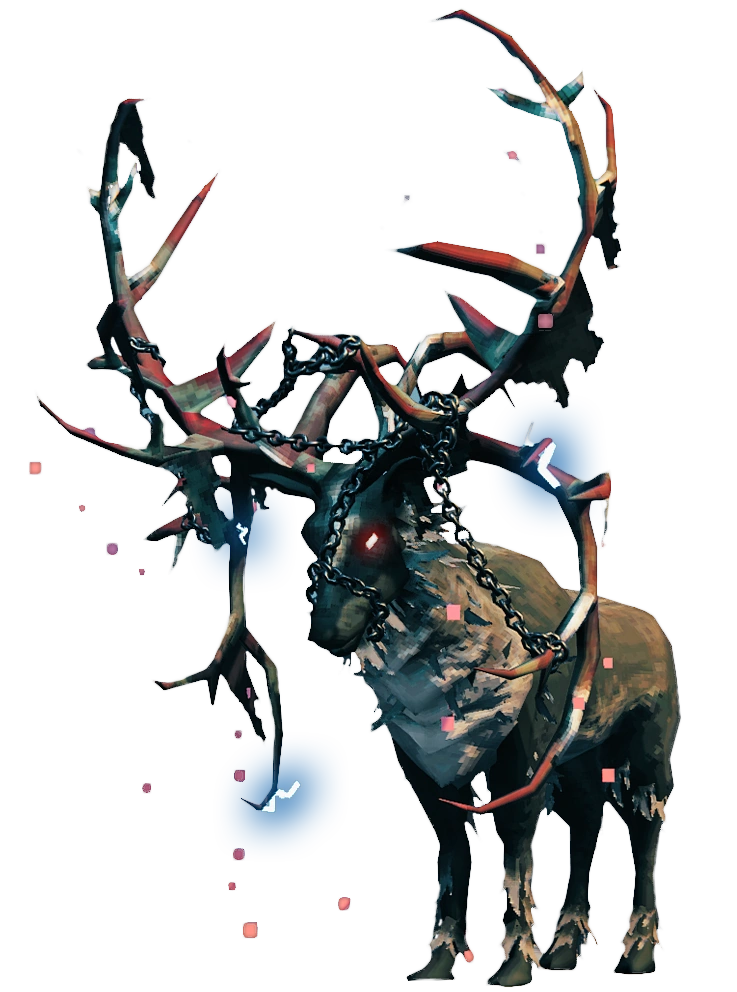
Eikthyr
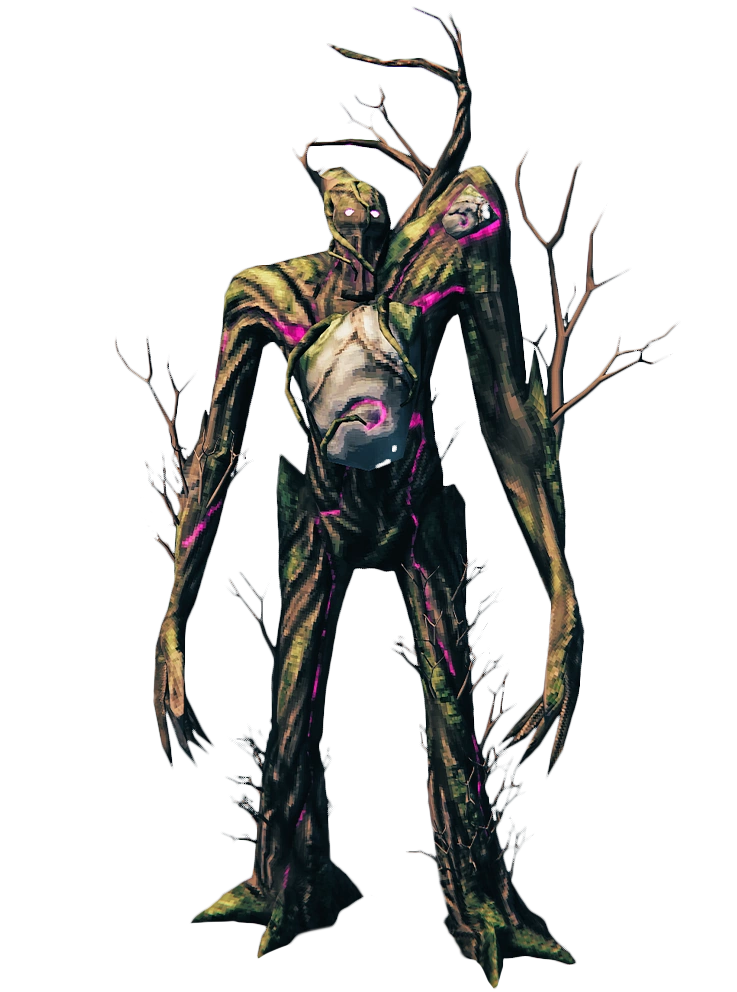
The Elder
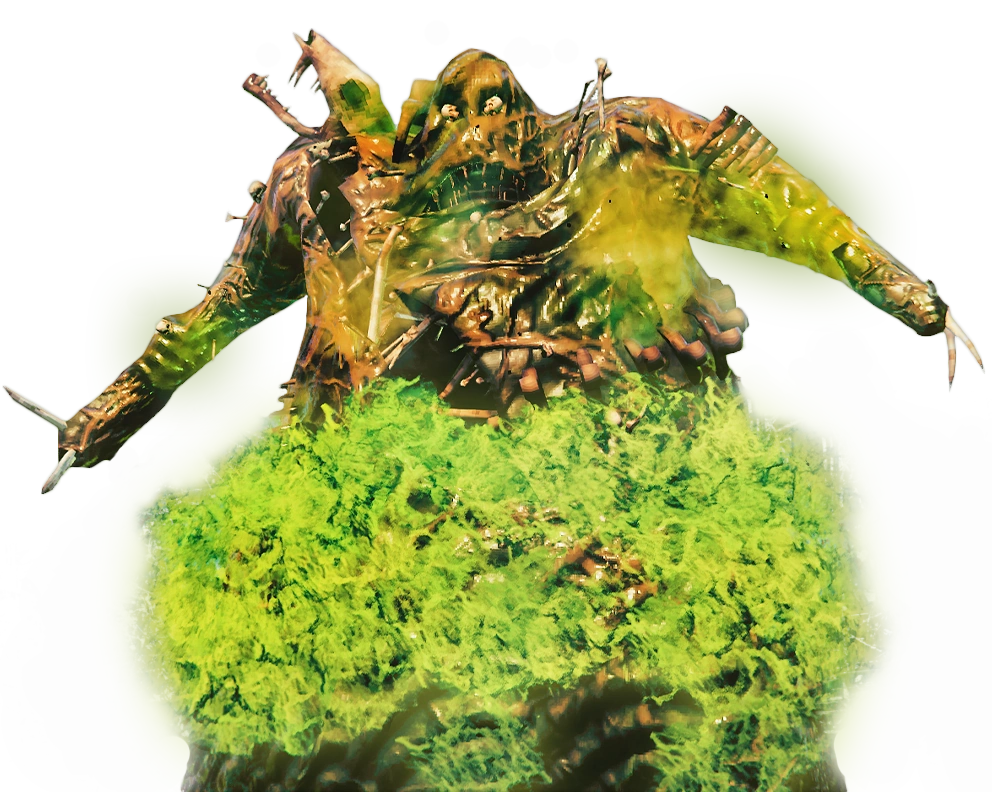
Bonemass
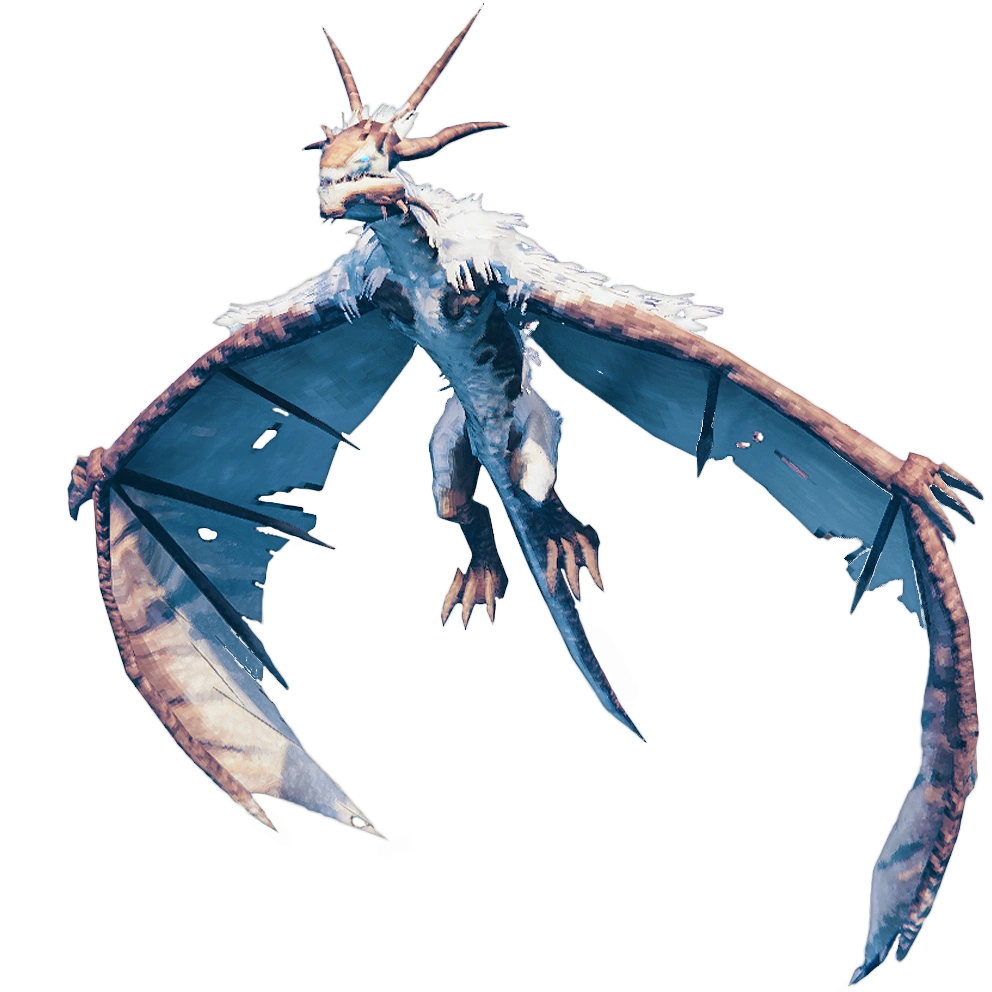
Moder
Yagluth
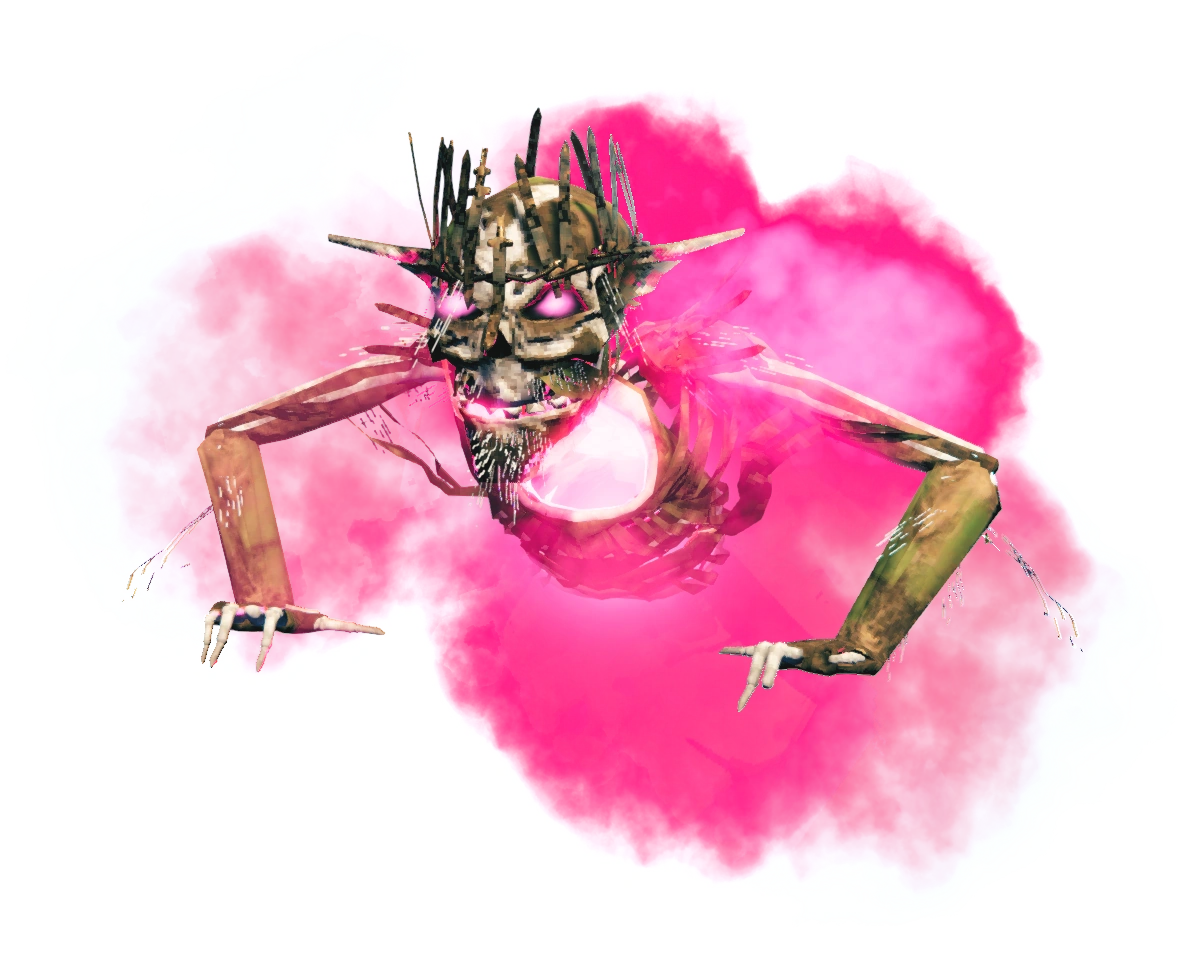
People, dead and reborn
Valheim’s lore repeatedly returns to the idea that the dead do not rest cleanly. Several creatures are fallen peoples or twisted reflections of them.
Draugr
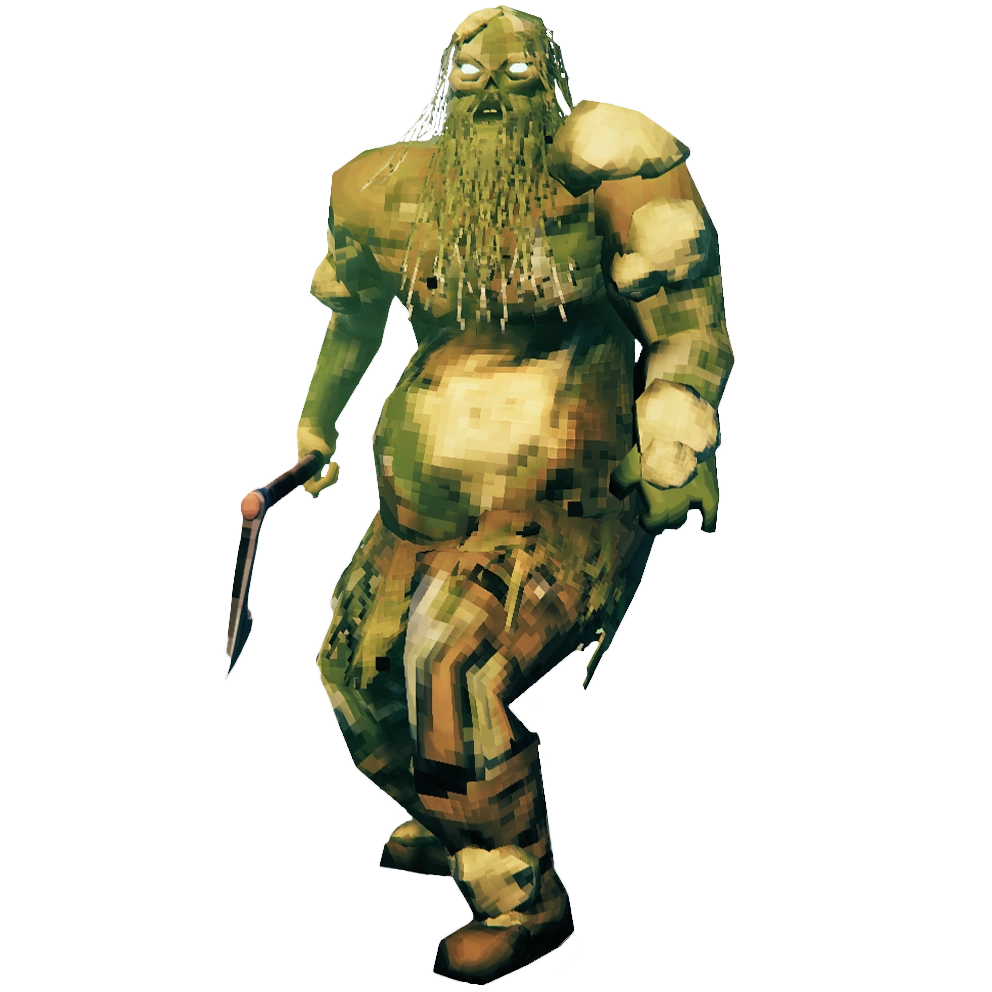
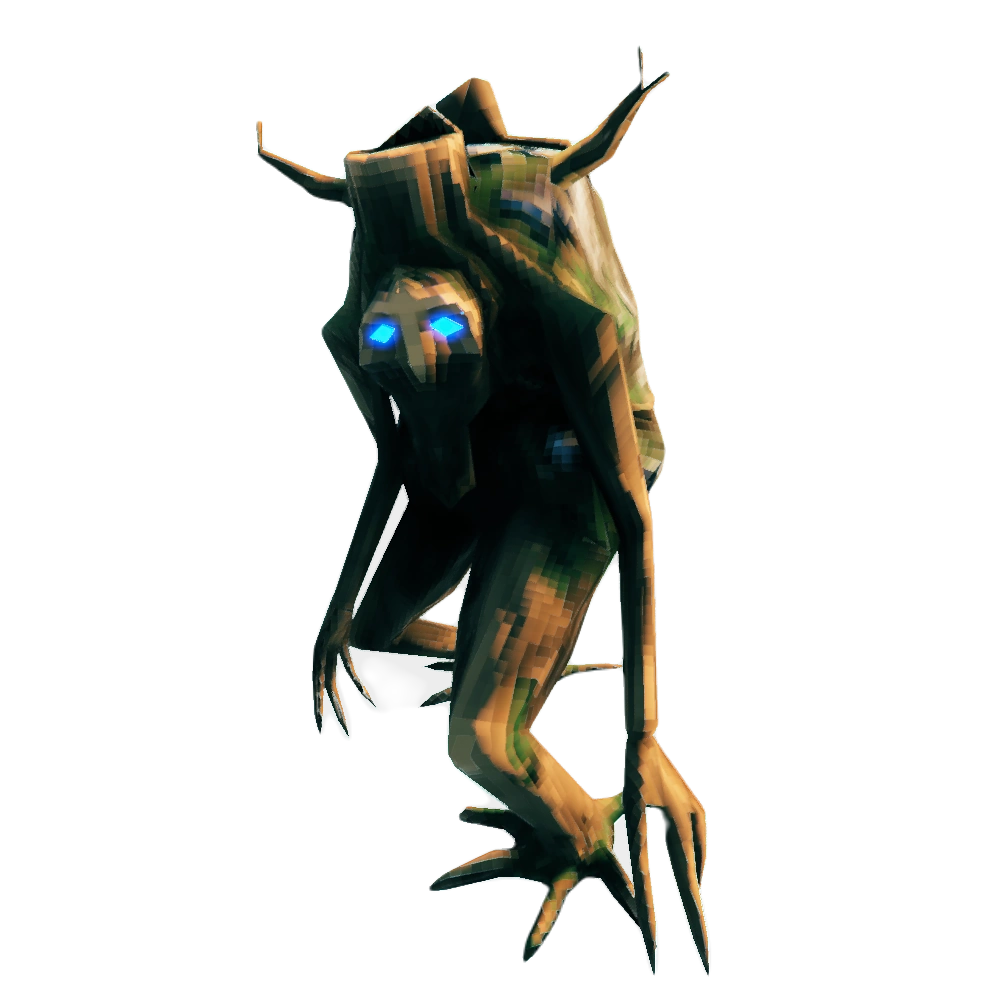
Greydwarfs, Greylings, shamans, and brutes
Greylings are small, tree-like creatures said to be human sinners reborn as seeds that rot in the ground before growing into these weak beings. Greydwarfs are the adult form, hostile monsters associated with decay, rain, and the forest.
Rancid remains
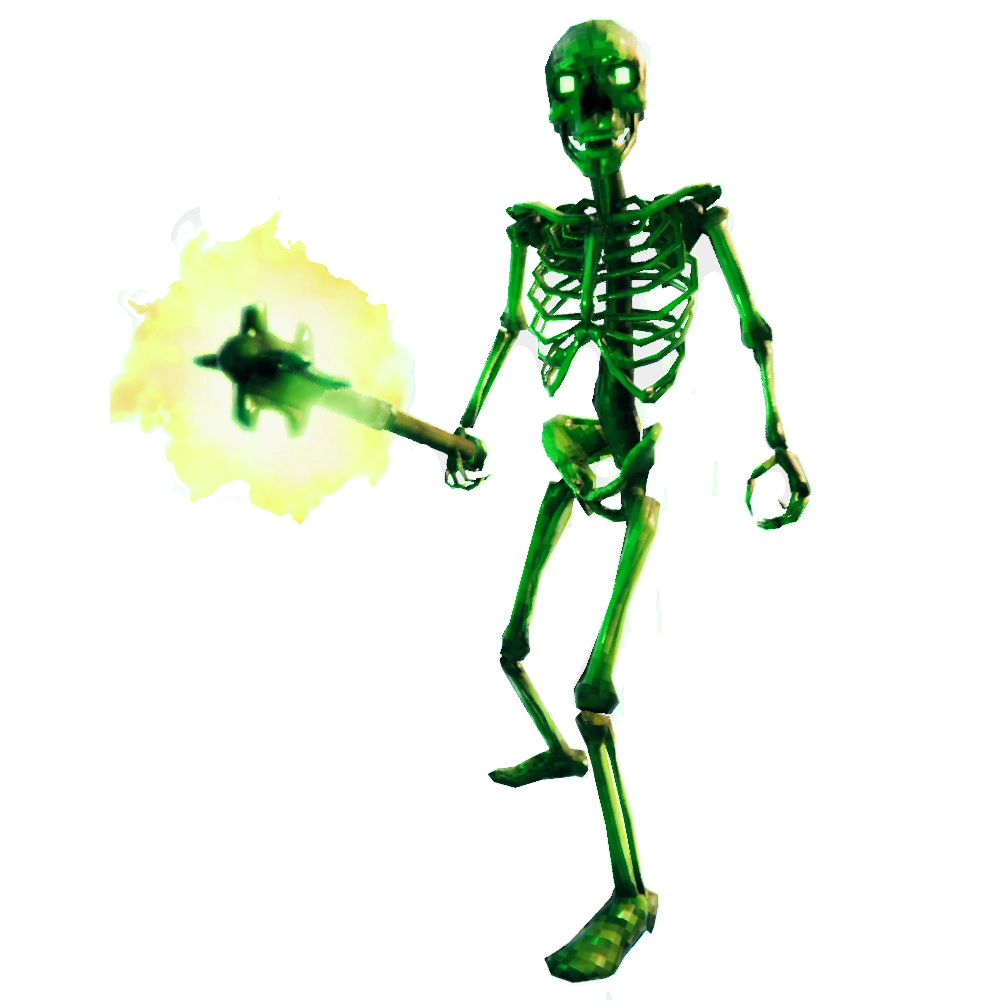
Charred
The Charred are the Ashlands’ dead and burnt warriors. They appear as skeletons clad in scorched armor, including warriors, marksmen, warlocks, and other variants. They are remnants of a ruined army, still active in a land defined by fire and ash.
The creatures of the wild
Many of Valheim’s normal enemies are given lore through runestones and environmental clues, tying them to the world’s spiritual logic.
Boar
Boars are wild creatures that can be tamed. Runestone lore describes them as fearful of fire and of humans, but teachable if approached calmly and fed. They prefer roots from the ground.
Deer and Eikthyr echoes
The Meadows contain runestone warnings about the Horned One, and the game’s lore ties deer imagery to the larger story of divine combat and wilderness survival.
Neck
Necks are aggressive shoreline creatures that resemble lizards and frogs at once, due to their body shape and the lily pads on them. They are usually found near shorelines, but rainy weather can push them inland. They can also eat planted crops.
Trolls
Trolls are huge forest and mountain creatures with roots in later Scandinavian folklore, though older sources grouped trolls with Jötnar. Their role in Valheim is as immense hostile giants that fit the game’s interpretation of wild mythic beings.
Lox
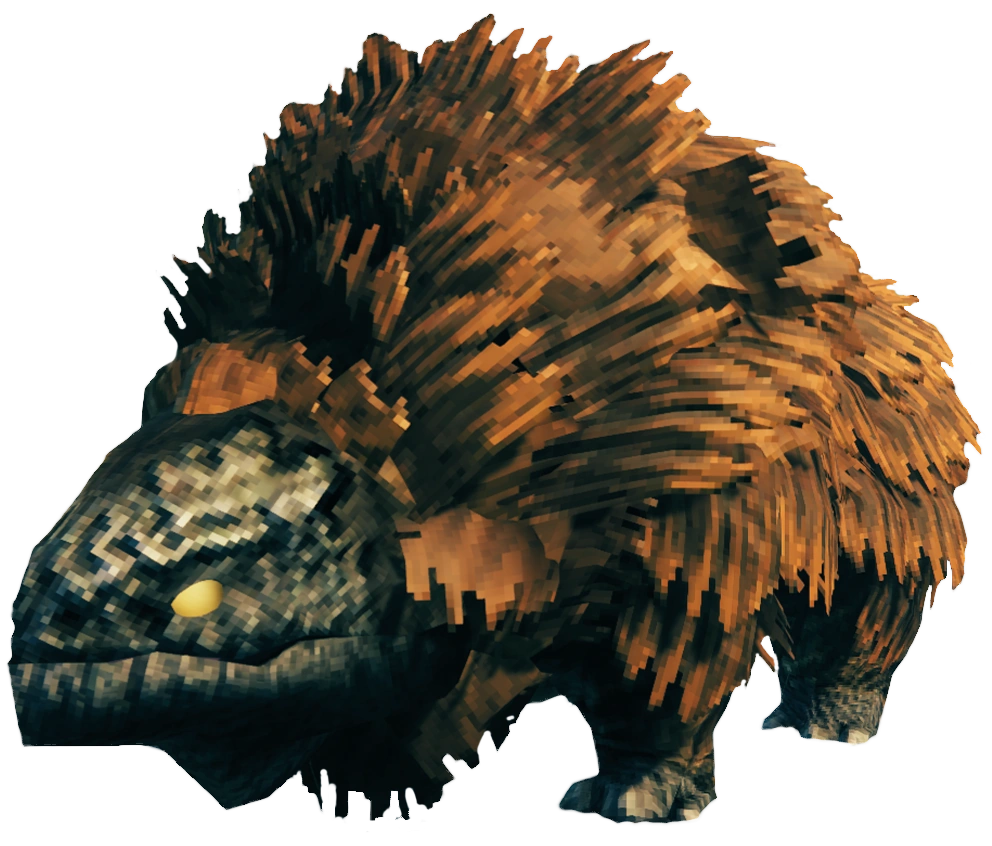
Fuling
Fulings are goblin-like creatures in the Plains. Their name roughly means “ugly one” in modern Swedish, and the game files identify them as goblins. They are noisy, fast, and dangerous, with keen hearing and surprising agility.
Fenring
Fenrings are werewolf-like creatures of the Mountains, associated with Fenrir in Norse myth. They are wolf-men with glowing eyes and are vulnerable to spirit damage. Their lore ties them to the broader mythic theme of wolf-spirits and apocalyptic forces.
Surtling
Surtlings are small fire beings tied to Surtr, the giant fire jötunn of Norse mythology. They are weak to water and can be seen as embers of an ancient great fire. Their presence links the Swamp’s geysers and the older Ashlands concept to the game’s fire lore.
Serpent
Serpents are giant sea creatures based on Jörmungandr, the world serpent of Norse mythology. They roam the oceans and reinforce the idea that Valheim’s seas are as dangerous and mythic as the land.
Leviathan
The Leviathan is the huge sea-creature that appears as an island and is tied to the Hafgufa of Norse tradition. The island is only its shell, while the creature’s body lies below the surface. It is not hostile, but mining its barnacles can cause it to dive.
The lands and what they mean
Valheim’s biomes are not just gameplay zones; they are part of the world’s mythic structure.
Meadows
The Meadows are the player’s starting land, associated with safety, warnings, and the first steps of survival. They are also where many of the earliest runestones speak directly to the player.
Black Forest
The Black Forest is tied to ancient woodland power, the Elder, and the encroachment of Greydwarfs. It feels like a place where old forest magic and buried history remain active.
Swamp
The Swamp is a place of undead, leeches, draugr, and decay. Its waters, ruins, and crypts all emphasize death that refuses to settle.
Mountains
The Mountains are associated with cold, dragons, Fenrings, and the threat of snow and freezing.
Plains
The Plains are home to Fulings and other violent survivors. They feel like a hostile open land where civilization has failed and predation rules.
Ocean
The Ocean stands apart as the world’s edge and its deep mythic waters. Valheim is described as a flat world, with water flowing off the edge into the void. Near the edge, the current is strong enough to drag the player to death.
Mistlands
The Mistlands carry the remnants of older placeholder lore and now serve as a dark, ancient, insect-haunted realm. Their atmosphere emphasizes obscurity, ruin, and hidden power.
Ashlands
The Ashlands are a land of fire, embers, and scorched dead things. They evoke Muspelheim and its mythic connection to Surtr and burning destruction.
Deep North
The Deep North remains unfinished and is framed as an icy frontier that follows the Ashlands in the game’s progression. Its lore points toward northern cold and the unfinished edges of the world.
Rune stones, spirits, and memory
Runestones are one of the clearest lore devices in Valheim. They often speak in the voice of long-dead settlers, warriors, or travelers, leaving warnings, confessions, and fragments of history across the biomes. In-world, they function like memorial stones, territorial markers, and personal records.
Astrid’s runestones, for example, tell of a shield-maiden who remembers nothing before arriving in Valheim, yet knows sword and bow by instinct. Ulf’s stones describe a settler moving from place to place, learning to survive by avoiding bad ground, murky waters, and the wrong sort of neighbors. Gudrun’s stone is more intimate and tragic, showing the loneliness of the dead in exile. Harald’s stones present the same world through the eyes of a warrior who has fought Eikthyr, the Elder, and the Mother Drake.
The world-tree and the far horizon
Yggdrasil appears as the great, visible world-tree of the sky, with branches stretching around and above Valheim. The game treats it as the mythic structure binding the worlds together. The lore consistently implies that Valheim was once connected to those branches before Odin severed the realm and left it to drift.
This connection explains Valheim’s recurring imagery of roots, branches, bark, and the shaping of life from the dead. Even many item descriptions and creature names echo that structure, binding the world’s practical survival to its mythic foundation.
Core themes
Valheim’s lore is not built around detailed political history. It is built around a few powerful ideas:
- the dead are not finished
- the gods still watch
- the world is broken but survivable
- memory persists in runestones, trophies, and warnings
- strength is proven through hardship
- Valhalla is earned, not given
That is why the player begins with nothing and is still expected to become a legend.