localization
Localization in Valheim covers both translating game terms between languages and understanding the various localized names that appear in wiki data, item tables, and gameplay references. For players reading guides or comparing entries across languages, it is useful to know which names refer to the same item, creature, or place.
Language names and translated terms
Many Valheim wiki entries include localization lists that map the same subject into several languages. These are useful when matching an item name from one language to another.
Common item name mappings

- fr: Orge
- cs: Ječmen
- ru: Ячмень
- de: Gerste
- uk: Ячмінь

- cs: Morušky
- ru: Морошка
- fr: Plaquebières
- de: Moltebeeren
- uk: Морошка

- cs: Mouka z ječmene
- ru: Ячменная мука

- uk: Уламки кісток
- cs: Fragmenty kostí
- ru: Обломки костей
- de: Knochenfragmente
- fr: Fragments d'os

- cs: Jelení kůže
- ru: Шкура оленя
- uk: Оленяча шкура
- de: Hirschfell
- fr: Peau de cerf

- ru: Морозная железа
- cs: Zmrzlá žláza
- de: Gefrorene Drüse
- uk: Морозна залоза
- fr: Glande gelée

- cs: Plamenný kov
- ru: Огнеметалл
- uk: Вогняний метал
- en: Flametal
- fr: Flametal
Creature and creature-related mappings
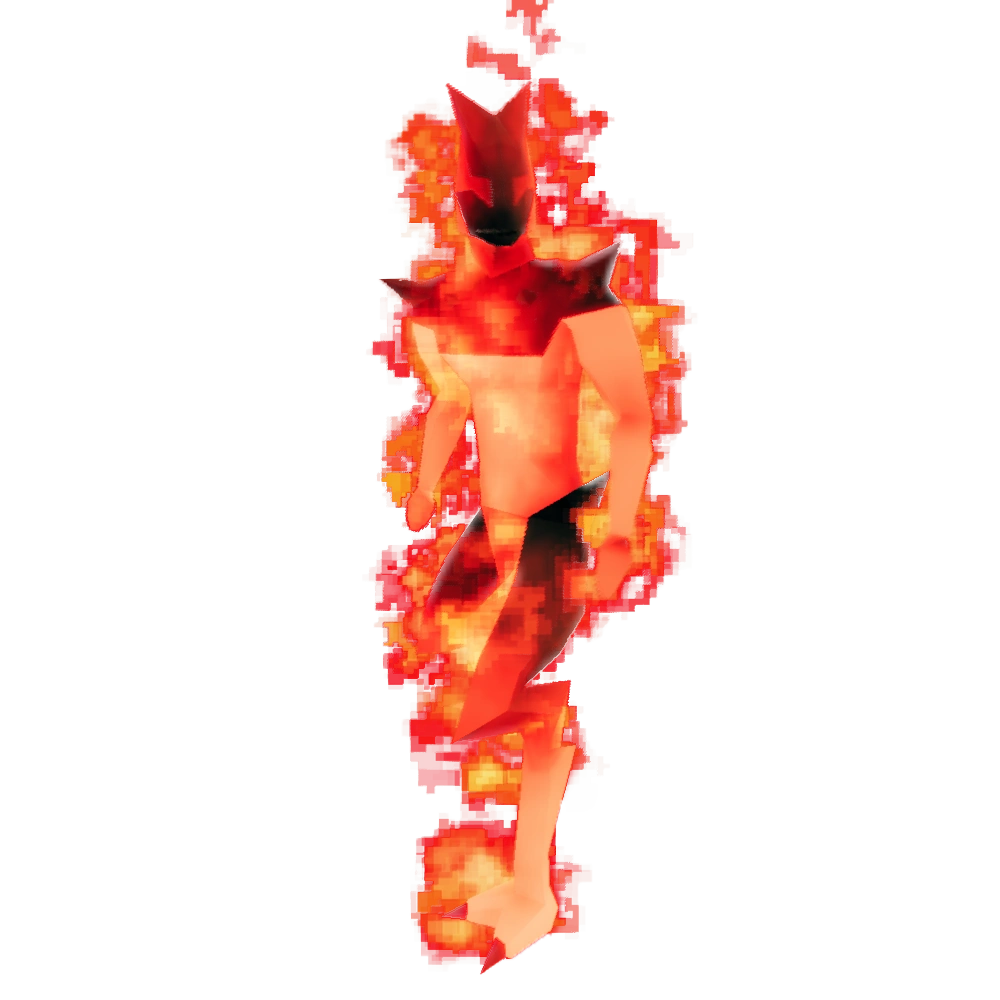
- ru: Суртлинг
- uk: Вогневик
- fr: Surtling
- cs: Surtling
- de: Surtling

- ru: Групер
- uk: Груперка
- cs: Kanic
- en: Grouper
- fr: Mérou
- ru: Тетра
- cs: Tetra
- uk: Тетра
- fr: Tétra
- en: Tetra
Finding localized terms in wiki tables
Some wiki pages include language tables rather than gameplay descriptions. These tables are primarily reference material for matching names.
Examples from translated term tables
- Offensive → de: Angriff
- Other Effect(s) → de: Andere Effekte



- Object stand (horizontal) → de: Objektständer (horizontal)
- Object stand (vertical) → de: Objektständer (vertikal)

- Occurrence → de: Vorkommen
Other translated entries from the same style of table include:
- Crafting Level → de: Herstellungs-Level
- Crafting Materials → de: Herstellungsmaterial
- Cultivator → de: Pflug
- Creatures → de: Kreaturen
- Comfort Level → de: Komfort-Level
- Cold Effect → de: Kälte-Effekt

- Campfire → de: Lagerfeuer
- Chair → de: Stuhl


And additional common reference terms:
- Repair Level → de: Instandsetzungs-Level

- Resources → de: Ressourcen
- Raw meat → de: Rohes Fleisch
- Raft → de: Floß
- Red banner → de: Rotes Banner
- Raven throne → de: Rabenthron

- Resistence to → de: Resistent gegen
- Resistances → de: Resistenzen
Proper-noun localization patterns
Some entries show that Valheim keeps certain proper nouns unchanged across languages, while others are translated directly.
Unchanged or near-unchanged names
- Leviathan remains Leviathan in German.
- Karve remains Karve in German.
Directly translated names
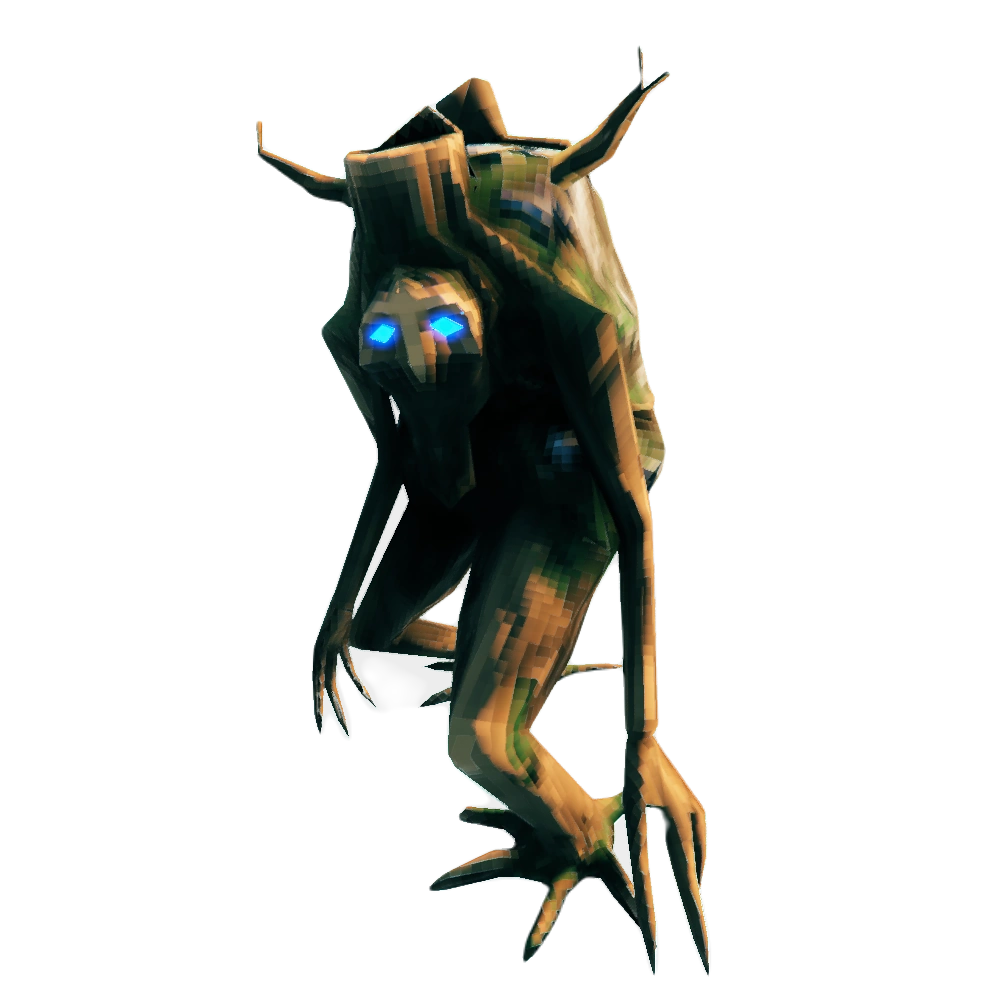

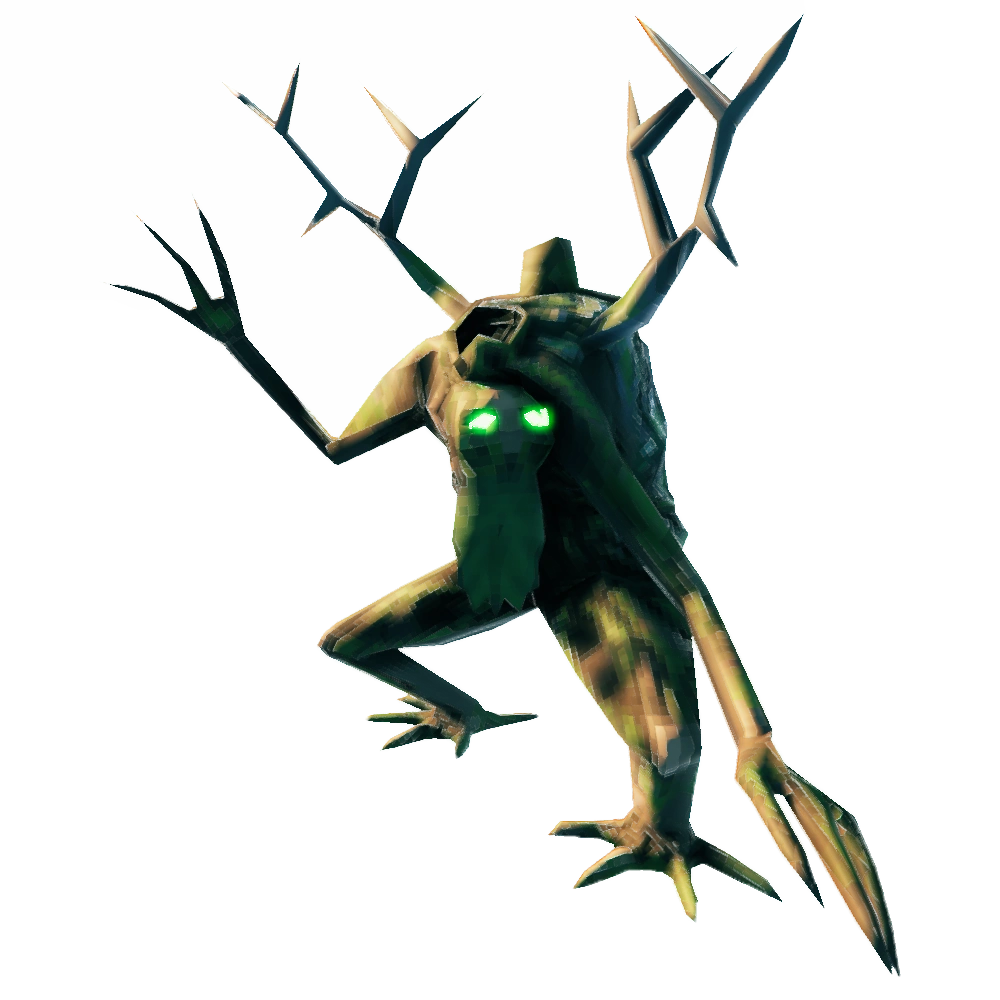
- Greydwarf Burte → de: Grauzwergen Berserker




- Iron Set → de: Eisen-Set


- Leather Set → de: Leder-Set
- Longboat → de: Langboot
- Raven throne → de: Rabenthron
- Red banner → de: Rotes Banner
- Resources → de: Ressourcen
- Raw meat → de: Rohes Fleisch
Location and world-reference localization
Localization also appears in world and location names.
- Abandoned house → de: Verlassenes Haus
- Ancient Stone Circle → de: Uralter Steinkreis
- Location(s) → de: Vorkommen
- Internal ID → de: Interne ID
- Icon → de: Symbol
- Armor → de: Rüstung
- Appearance → de: Aussehen
- Aggressive Creatures → de: Aggressive Kreaturen
- Hostile → de: Feindlich
- Health → de: Gesundheit
- Healing → de: Heilkraft
- Knockback → de: Rückstoß
- Immune to → de: Immun gegen
- Resistance to → de: Resistent gegen
- Resistances → de: Resistenzen
Map markers and altar localization
Some localized pages describe how map markers or location names are revealed through interaction.
Eikthyr shrine localization
At the world spawn point, left of the Eikthyr sacrificial stone, there is a stone engraved with a glowing red inscription. Interacting with this stone adds a new point of interest to the map, marking the location of an Eikthyr summoning altar.
There are multiple summoning altars in the Meadows biome.
Notes on naming and harvesting-related terms
Localization pages sometimes include gameplay notes tied to the item name itself.
Barley harvesting note
Fully grown Barley drops two Barley when damaged by weapons. Area-of-effect attacks, such as those from the Stagbreaker, 
Regional naming differences
Some entries provide name equivalents across languages without changing gameplay:
Reading localized data efficiently
When comparing guides, crafting requirements, or bestiary entries across languages, the fastest approach is to match the item’s canonical English name to its localized counterpart. This is especially useful for:
- crafting materials,
- creature names,
- weapon and armor entries,
- world locations,
- and UI terminology.
If a name appears unchanged, it is usually a proper noun or a term Valheim preserves across languages. If it is translated, it often follows a straightforward descriptive equivalent in the target language.