early game
The early game in Valheim is about surviving with almost nothing, building a safe first shelter, and unlocking the tools that turn raw gathering into real progression. Your first goals are simple: collect basic materials, make a reliable weapon and axe, establish a camp, and reach the first ore tools.
Getting started: the first hour
You begin with no gear and need to gather everything by hand.
- Pick up wood from branches and small trees.
- Pick up stones from the ground.
- Collect raspberries and mushrooms while exploring.
- Look for a coastal or riverside campsite, since water access helps with early flint gathering.
The Meadows are the starting biome and the safest place to learn the game. They contain grassland terrain, trees, and early points of interest such as burial chambers and abandoned structures. Even so, the early game is still dangerous because falling trees can kill you faster than many enemies.
First tools and weapons
Axe
An axe is one of the most important early items because it is both a tool and a weapon.
- It is essential for chopping wood.
- It is also usable in melee, with slower attacks than clubs or swords but solid damage.
- A single axe is often enough for early close combat, especially before stronger weapons become available.
Stone axe
The Stone axe is easy to craft from early materials and can chop Beech trees, but it cannot cut Birch. It is serviceable, but it is usually better to move on quickly.
Flint axe
The Flint axe is the better early axe. 
Bronze axe
The Bronze axe is the first axe that can cut Birch and Oak, which means it unlocks 
Club
The Club is one of the best early weapons.
- It is cheap and easy to craft.
- It can be made immediately without a workbench.
- It deals blunt damage, which is very effective against Skeletons.
- It swings faster than early axes, making it easier to use and better for damage over time.
For very early burial chamber exploration, the Club is one of the strongest practical choices.
Torch
The Torch is a light source and a weapon.
- It can be equipped alongside another one-handed weapon.
- It is especially useful in dark places such as burial chambers.
- Greylings fear fire, so a Torch is also useful for controlling early open-field encounters.
Early enemies and how to handle them
Greylings
Greylings are one of the first enemies you will encounter.
- They rush the player and attack in short sequences.
- They are afraid of fire and run away from a Torch.
- They take increased fire damage, which makes the Torch especially useful early on.
Boars and Deer
Boars and Deer are the most important early animals because they provide food and materials.
- Boar meat and


- Hunting deer is much easier once you have a bow.
Skeletons
Skeletons are especially vulnerable to blunt damage, which is why the Club is so useful in the early burial chambers.
Deathsquito
If you push into the Plains early, a 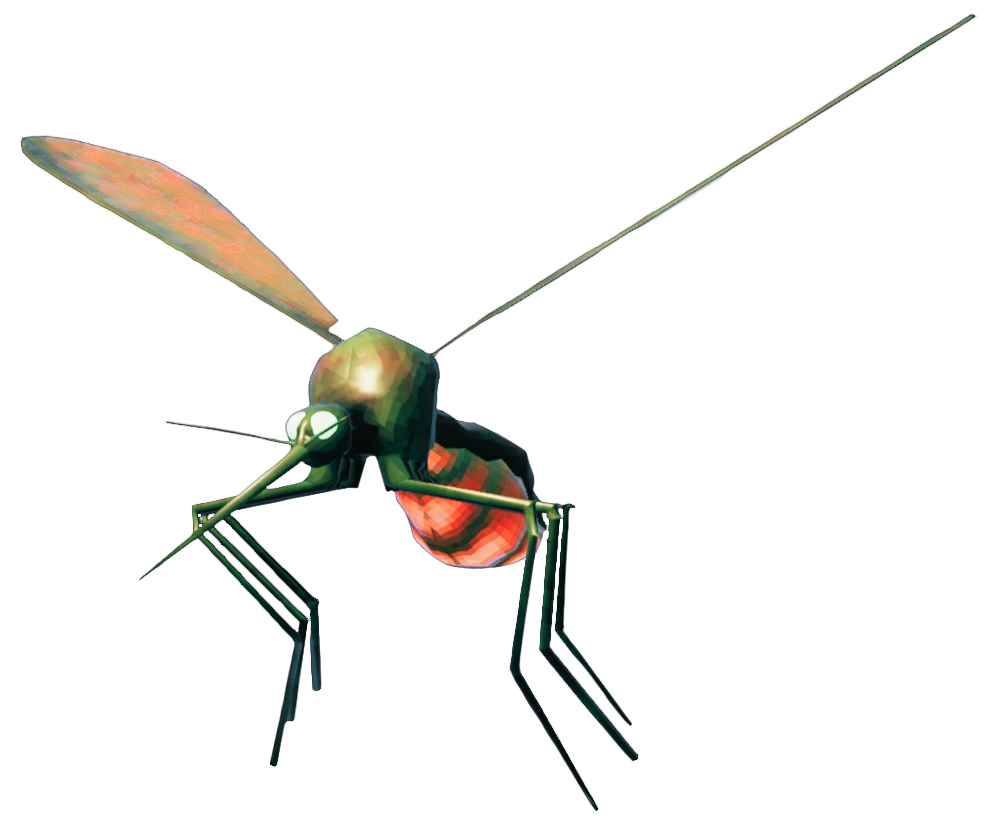
- It attacks very quickly after closing in.
- Its hit is extremely dangerous for undergeared players.
- A strong block can let you survive and counterattack, but a weak guard is not enough.
The Plains are not an early-game farming biome.
Food and healing
Early food matters a lot because it increases your health and recovery.
Good first foods include:

- Mushrooms
- Boar meat
Cooked 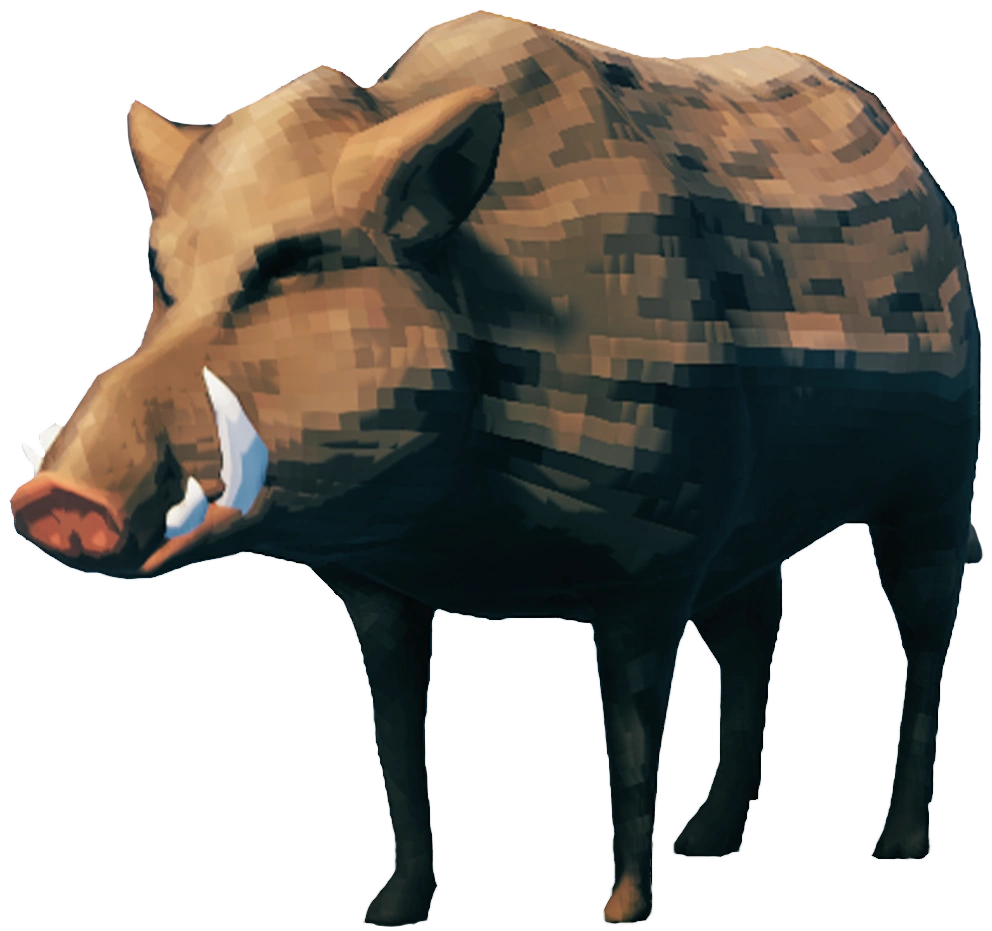

Building the first base
Once you have a hammer, you can begin building.
Your first camp should include:
The campfire must have open space above it so the smoke can escape. If smoke builds up indoors, it becomes lethal.
A basic first base does not need to be heavily defended, but it should protect your workbench and bed and let you sleep through the night safely.
The first boss and the first mineable ore
Eikthyr and the Antler pickaxe
Defeating 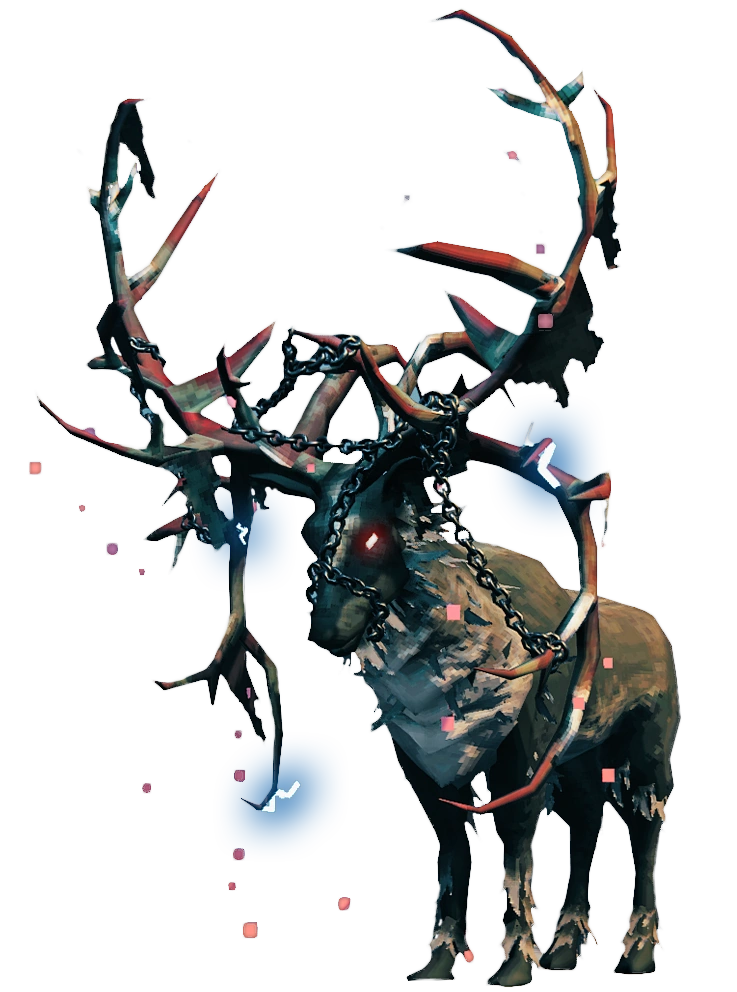
The 


This is the point where Valheim’s progression opens up.
From stone age to bronze age
After Eikthyr, your next major goal is the Black Forest.
What to look for in the Black Forest
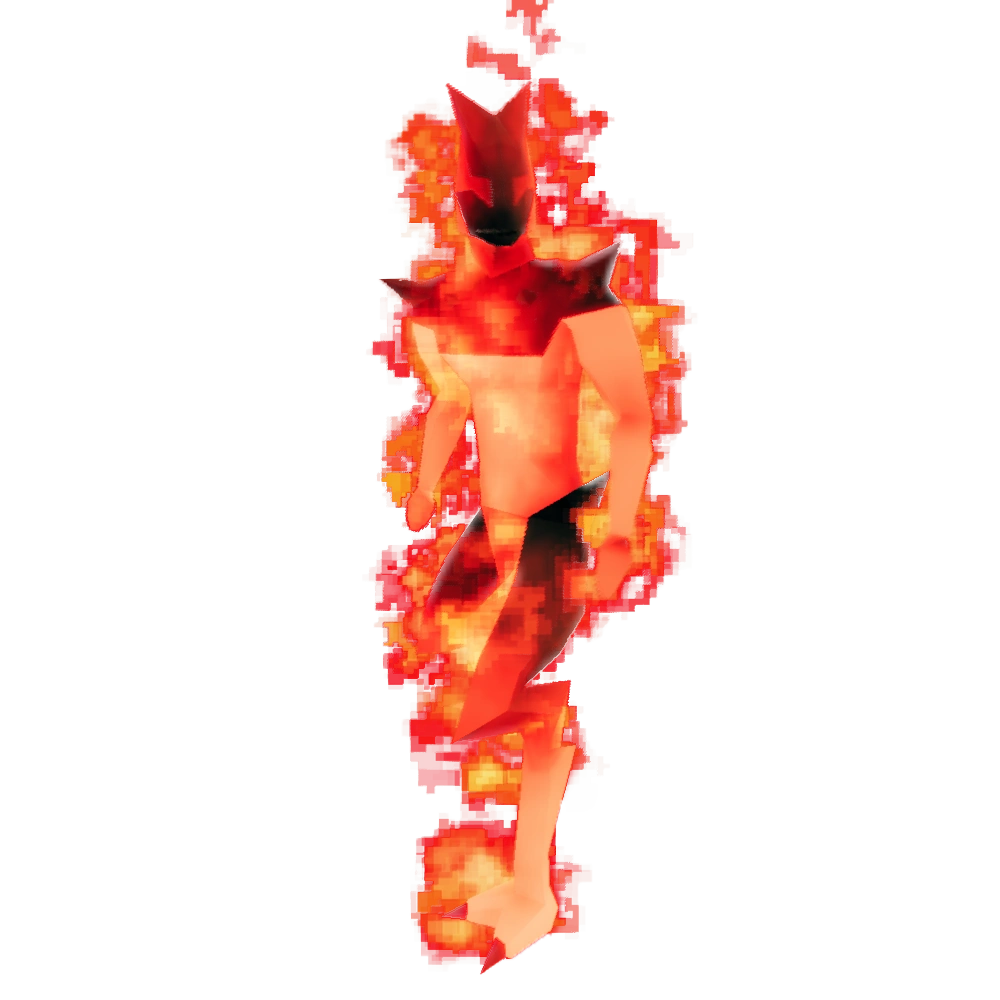
You need Surtling cores to build the 

Bronze crafting

Priority bronze progression usually starts with:


Bronze tools are the bridge from early survival to organized metal progression.
Finewood and why it matters
You can get it from:
- Birch
- Oak
- Shipwrecks
- Furniture in ruined towers
Birch and Oak require a 
You can also sometimes get it indirectly by knocking trees into one another, but that is slow and unreliable compared with using the proper axe.
Bow and ranged hunting
The bow is one of the first ranged weapons and a major early-game upgrade.
- It is crafted at a level 1 workbench.
- It uses arrows.
- Drawing the shot longer increases stamina use but also improves accuracy, damage, and arrow speed.
- It is essential for killing birds for feathers.
- It makes deer hunting much easier.
A bow changes early survival dramatically because it gives you control over distance and turns hunting into a reliable activity.
Early transport and exploration
Karve
Once you start moving goods and exploring farther, the Karve becomes important.
- It is much faster than the raft.
- It has low draft and a small turn radius.
- It is useful in shallow waters, narrow waterways, and regions where larger ships struggle.
- It remains useful even later in the game for local transport and portal-supported outposts.
- It is relatively inexpensive compared with larger ships.
The Karve is the first practical step into real sea travel.
Sea serpents
Sea serpents are one of the deadliest early travel threats.
- They can attack both the player and boats.
- They are especially dangerous on slow ships.
- Early ocean travel is risky if you are not prepared.
What to prioritize first
A strong early-game path looks like this:
- Gather wood, stone, berries, and mushrooms.
- Craft a


- Make a

- Build a basic camp with a


- Hunt boars and deer for food and materials.
- Defeat
- Craft the
- Enter the
- Move into bronze tools.
- Use a
That sequence gives you the smoothest transition from survival to real progression in Valheim.