farming
Valheim farming is the reliable way to turn scattered foraged items and dangerous wild resources into a steady food supply. Good farms reduce travel, smooth out progression, and keep high-tier meals and potions stocked for exploration, combat, and base building.
Gathering and regrowth basics
Many farmable resources in Valheim are not planted from seed but collected from the world and then left to regrow. Ground-pickable plants such as mushrooms, thistle, and several other food ingredients respawn after a few in-game days, so marking their locations on the map makes repeat runs much easier.
Berry bushes are different: they can be harvested, but they are not replanted once destroyed. Avoid chopping them down or using broad attacks that break them. By contrast, wild mushrooms and thistle can be safely revisited later, making them ideal for route-based farming.
Food plants you can grow
Cultivator crops
The Cultivator unlocks true farming and lets you plant several essential crops on cultivated soil.


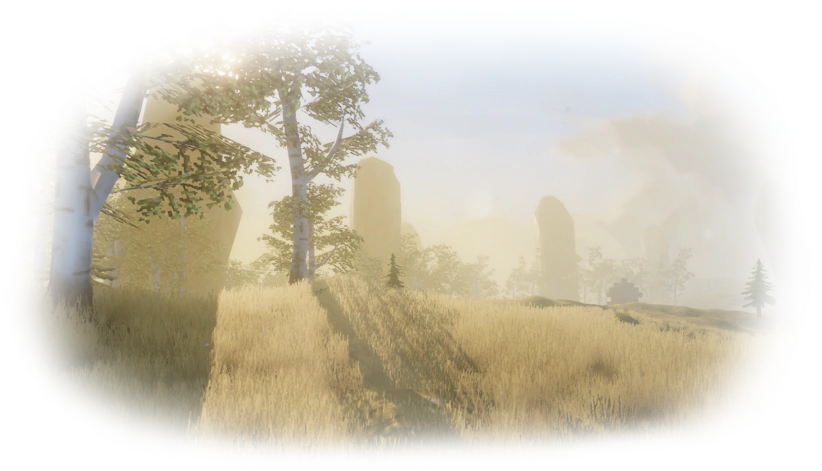


- Vineberry clusters can be grown with cultivation in the Ashlands by planting them near walls to produce Ashlands vines.
Some crops are biome-locked even if the soil is cultivated. Barley, Flax, and Jotun puffs require the right biome to grow, which makes Plains and Mistlands farming especially valuable once you reach them.
Harvesting by hand or with tools
Fully grown crops can be harvested quickly by hand or with area attacks, but those methods do not improve Farming skill and do not trigger extra-yield bonuses. A scythe-style harvest is the better method when you want maximum return.
Core farmed food ingredients
Early-game forage
- Raspberry is the easiest early stamina food to gather in the Meadows.


Vegetables and grain
- Carrots, turnips, and onions are the backbone of cultivated farming before the Plains.
Animal farming
Boar
Boars are the most accessible tame animal and a major source of Raw Meat and 
Useful boar farming points:
- Keep them enclosed so they do not escape.
- They eat one food item at a time from a stack.
- A nearby Workbench helps prevent food from vanishing.
- Breeding works best when the pen is not overcrowded.
- 2-star boars produce more meat and leather, making them excellent long-term farm stock.
Boars are also convenient because you can sometimes grow carrots or turnips directly near or inside their enclosure to keep feed supplies local.
Wolves
Wolves can be tamed and bred in the Mountains. They are powerful defenders and can multiply quickly when kept in a safe area with a steady food source. Because wolves can sustain themselves in meat-rich areas, they are often used as mobile security for a base perimeter.
Lox
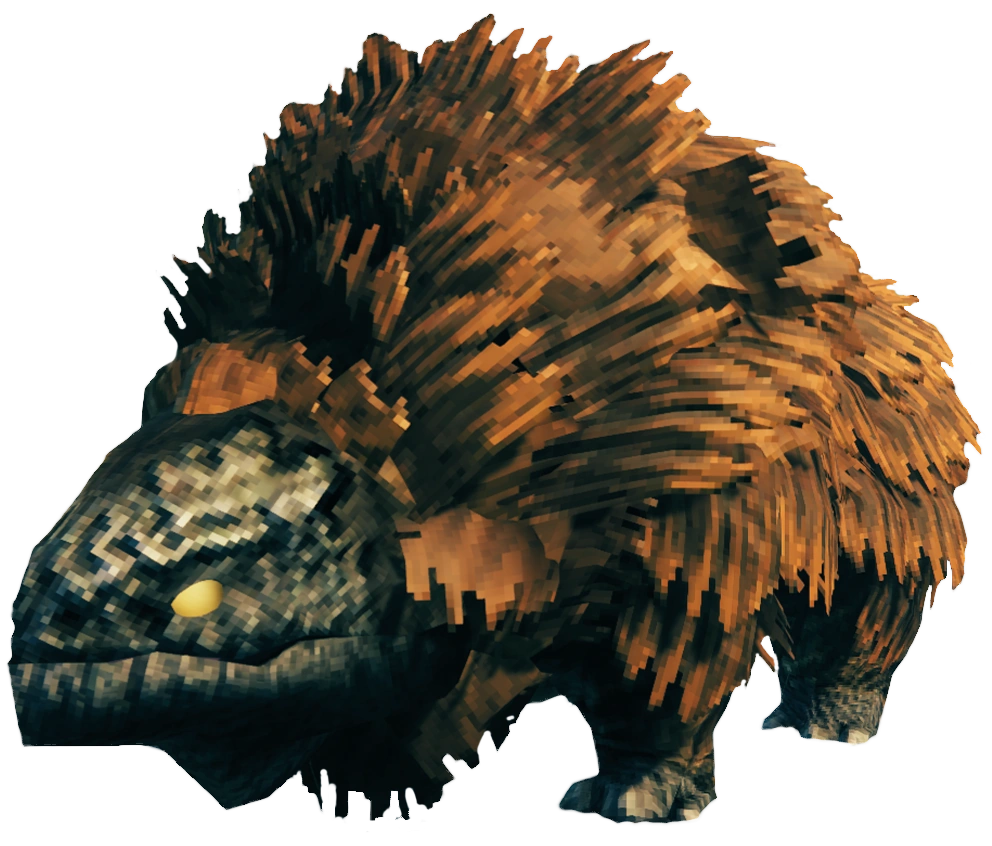

Asksvin
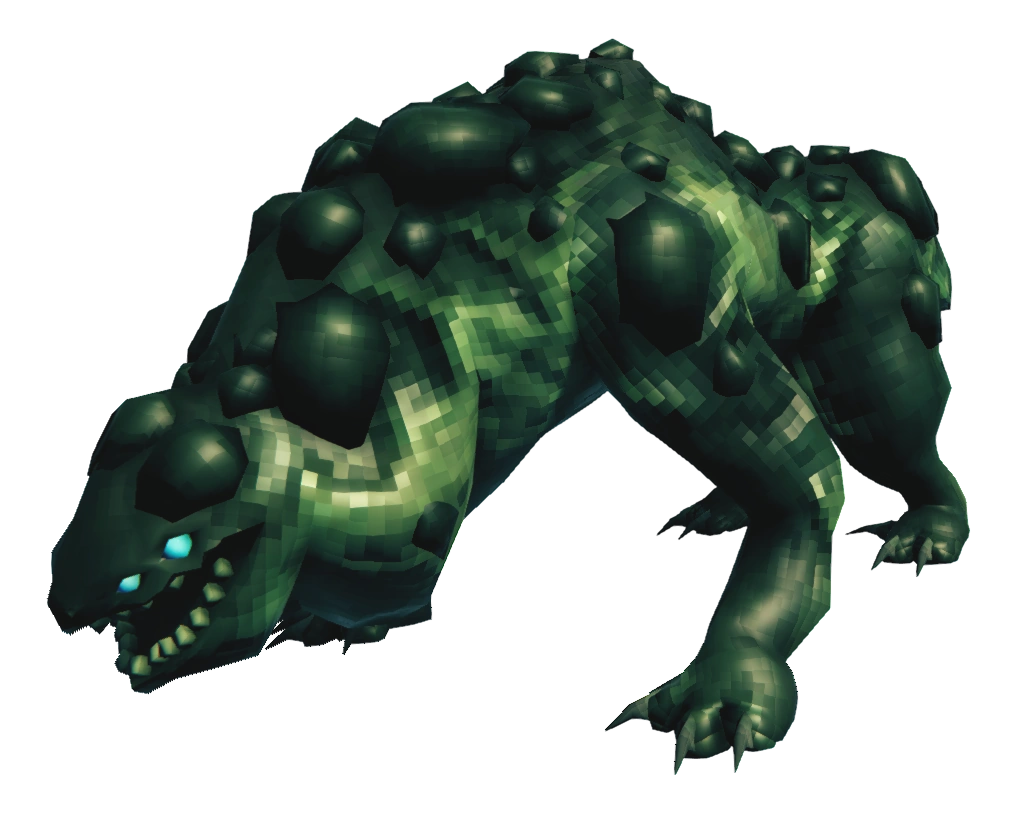
Bees and honey farming
Beehives are a simple, dependable farm.
- Wild beehives are found in Abandoned Houses and sometimes around Swamps.
- Breaking a wild beehive gives a

- Hives must be placed outdoors.
- A hive produces one Honey every 20 minutes and can store up to 4

Honey is essential both as food and as a major mead ingredient, so even a small apiary pays off quickly.
Food-processing farms and production chains
Beehive-fed cooking and meads
- Honey from beehives
- Berries and herbs from foraging routes
- Animal products from hunting and taming
- Grain and vegetables from cultivated fields
Charcoal production
While not a crop farm, charcoal production is part of any serious food economy because cooking and smelting consume fuel.

- Burnt food on cooking stations also becomes Coal if left too long.
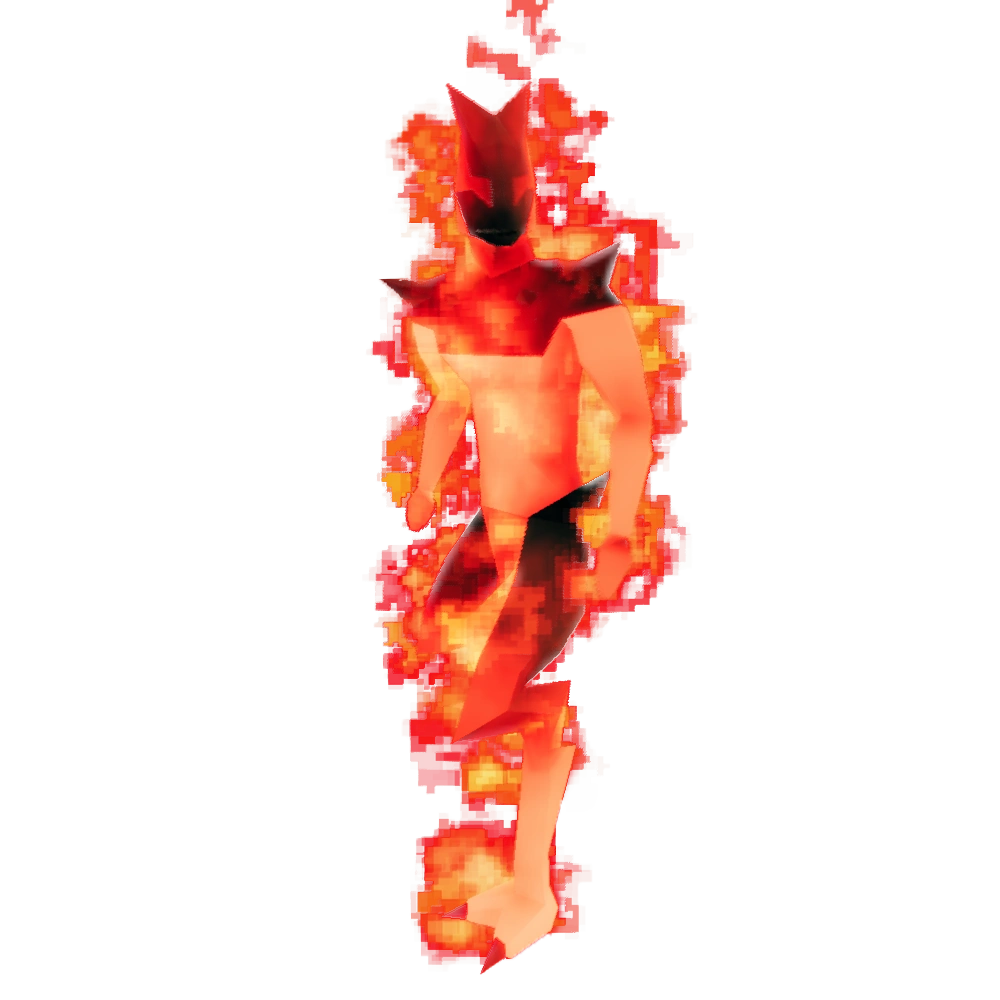
- In the Ashlands, burning wood piles is a fast way to make large quantities of Coal.
Farming rare and advanced ingredients
Mushrooms and underground food

- Fiddleheads grow on ruined structures in the Ashlands and respawn over time.
Meat and hunting-based farming
Some foods are effectively farmed through controlled hunting rather than cultivation.
- Bear meat
- FishRaw


These are best treated as renewable hunting targets that can support cooking once you know their spawn patterns.
Base layout and protection for farms
A productive farm needs protection as much as planting space.
- Keep beehives outdoors and shield them from nearby enemies.
- Use walls, terrain, or tamed defenders to protect pens and fields.
- Avoid placing farms where enemy spawns can reach them easily.
- Since many crops and forage locations are biome-specific, establish small regional outposts instead of trying to centralize everything at one base.
What to prioritize first
- Raspberry,
- Carrots, turnips, and onions for stable cultivation.
- Boars for meat and leather scraps.
A good Valheim farm is not one structure but a network: fields, pens, beehives, and repeatable foraging routes working together to keep your food, mead, and crafting supplies ahead of your progress.