Metallic Biome
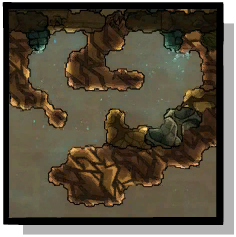
Overview
The Metallic Biome is a late-game space biome associated with the metallic asteroid cluster. It is one of the biomes found there, alongside 
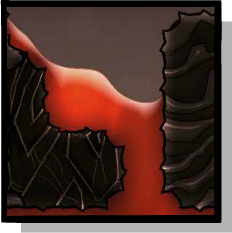
Exploration and rocket missions to the Metallic Biome can yield resources from meteorites including 
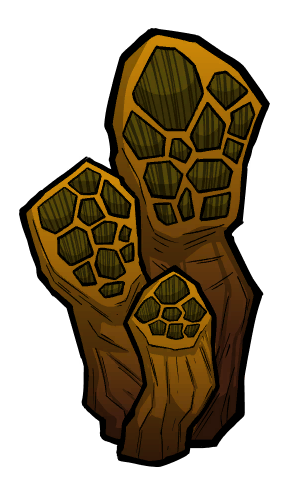
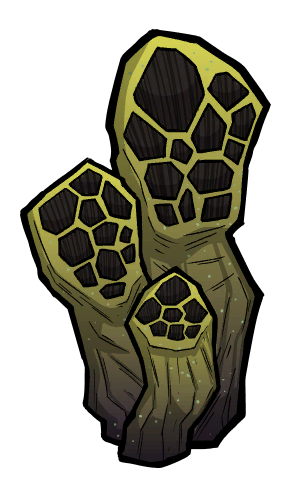
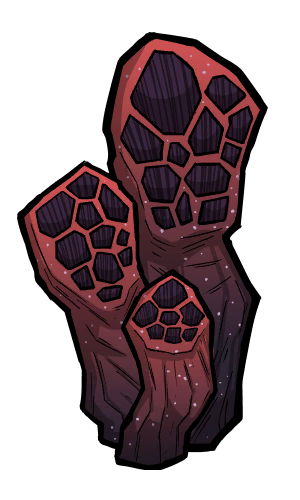
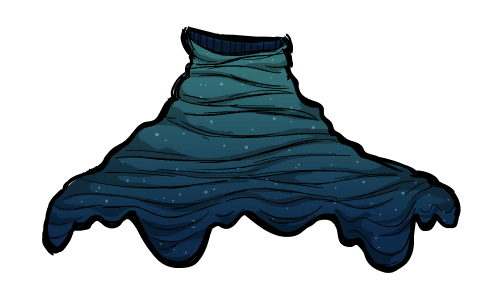
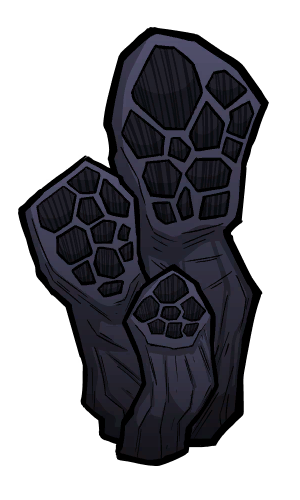
The asteroid’s crust is covered in ice, polluted ice, and brine ice exposed to space. These outer layers start very cold, around -40°C to -60°C, but they are not insulated from the rest of the asteroid and will eventually melt over many cycles, with much of that melt lost to space. If the Metallic Biome is not part of the starting world, the melting timer does not begin until a rocket is first placed in orbit around the asteroid. Because of this, it can be worthwhile to delay discovery until you are ready to send rovers in to recover the ice before it disappears.
From a practical standpoint, the biome is relatively easy to work in because it has no breathable gas to manage, and its temperatures are generally Duplicant-friendly. The lack of gas makes oxygenation straightforward, and the biome is especially useful when you want access to metal-heavy resources without depending on steel infrastructure.
For space missions, the metallic asteroid is a renewable source of Refined Metal and Raw Mineral. A rocket setup using either 4 cargo modules and 2 Liquid Fuel Tanks, or 6 cargo modules and 3 Liquid Fuel Tanks, returns 2.22 kilograms of cargo per 1 kilogram of 
Other entities of this type
- Aquatic Biome
- Barren Biome
- Biome
- Cool Pool Biome
- Feather Biome
- Forest Biome
- Garden Biome
- Ice Cave Biome
- Jungle Biome
- Magma Biome
- Marsh Biome
- Moo Biome
- Nectar Biome
- Niobium Biome
- Ocean Biome
- Oily Biome
- Radioactive Biome
- Regolith Biome
- Rust Biome
- Sandstone Biome
- Space Biome
- Swampy Biome
- Tundra Biome
- Wasteland Biome
... +1 (see sidebar for full list)