Rust Biome
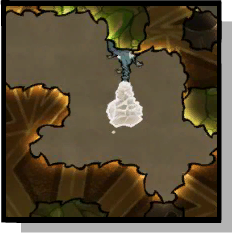
Overview
The Rust Biome is a hot underground biome characterized by 
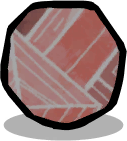

The biome’s composition changes by variant. The Warm variant contains 


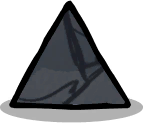
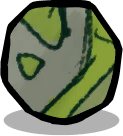


The biome is useful for gas management and midgame industrial resource collection. All gases present here sink below oxygen, which makes airflow from oxygenated parts of the map easier to control. The resources found here can be fed into a Rust Deoxidizer to generate 
A few practical points stand out:
- A continuously running Rust Deoxidizer requires exactly 5 Dasha Saltvines to absorb all of its Chlorine output.
- If the Saltvines are domesticated, this recovers about 36% of the spent salt; wild Saltvines recover about 6%.
- Dasha Saltvines are exclusive to this biome, so if the cluster does not include one, the GMO A-OK Achievement cannot be obtained unless a seed is provided by the Printing Pod.
- The biome’s high temperatures are usually not a major issue unless the map is already cold.
- Because the gases tend to sink, it is easier to isolate and route them than in many other biomes.
Overall, the Rust Biome is both a source of specialized materials and a convenient location for chlorine-focused industrial setups, especially when paired with Saltvines and Rust Deoxidizers.
References to this (5)
Other entities of this type
- Aquatic Biome
- Barren Biome
- Biome
- Cool Pool Biome
- Feather Biome
- Forest Biome
- Garden Biome
- Ice Cave Biome
- Jungle Biome
- Magma Biome
- Marsh Biome
- Metallic Biome
- Moo Biome
- Nectar Biome
- Niobium Biome
- Ocean Biome
- Oily Biome
- Radioactive Biome
- Regolith Biome
- Sandstone Biome
- Space Biome
- Swampy Biome
- Tundra Biome
- Wasteland Biome
... +1 (see sidebar for full list)