Tarasque
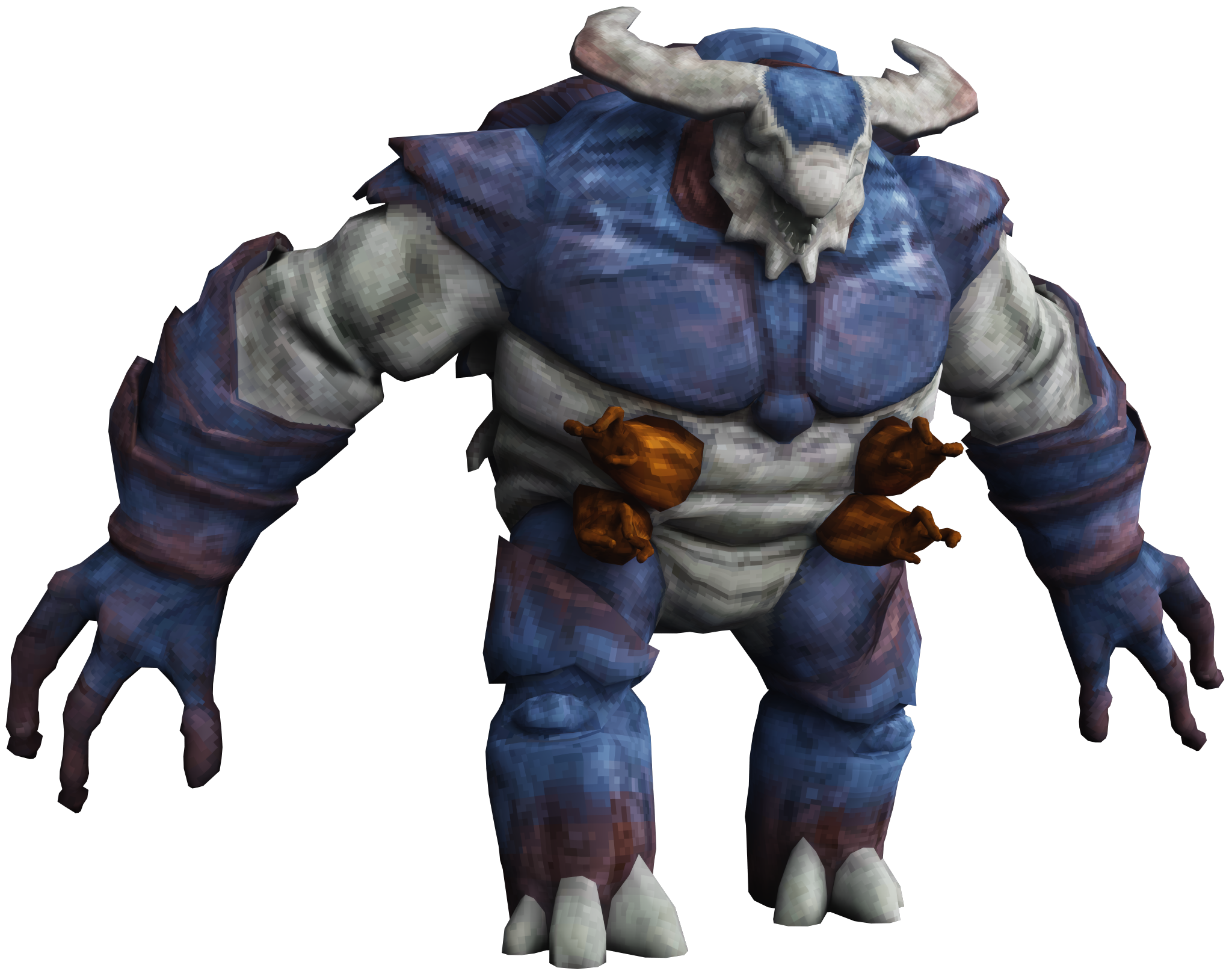
The home anteverse of IS-0121 - the Tarasque - was the 42nd to be discovered by GATE researchers, but only the 20th to be explored by TransRecon teams.
Dr. Riggs' original report likened the vast, desolate realm to a 'ragged, dry ocean floor', composed of 'endless caverns, crevices, caves and collapsed spaces' presided over by 'mobile organisms of unimaginable size'.
It was not until the second expedition that field researchers concluded that most of the supposedly geological features were, in fact, the bodily remains of titanic creatures, their immense corpses overlaid across eons.
During this second foray, the primary TR team encountered the first recorded instance of IS-0121 on the deflated remains of a recently deceased, semi-dirigible herbivore. The Tarasque is believed to be a minor skin parasite of this creature.
Following the encounter, the Executive Committee determined that the immensity of Anteverse XLII's lifeforms represented unacceptable risks, and recommended dispatching Gatekeeper teams for retrieving any further research subjects or data in the future.
DESIGNATION: Crucis (AG)
CONTAINMENT PROTOCOL: Containment facilities for IS-0121, like all non-aquatic specimens originating from Anteverse 42, require extensive material hardening.
For design and construction specifications, refer to GATE Megaspecimen and Holocaust Protection Manual (1.6.4.7). Only one IS-0121 specimen is to be contained per site and no gaseous exchange of more than 5ppm permitted between any two sites. Structural mass dampeners are suggested but not, at this stage, an essential requirement.
The Tarasque's circulatory fluid has exceptional capacitation properties. This 'ichor' is currently being investigated by Dr. Theodore Laciter for its ability to store and rapidly discharge very high quantities of energy, particularly as it relates to the power demands of instigating perforation events.
Due to an immense disjunction in scale, the Tarasque - like IS-0023 - is a near-microscopic entity in its home of Anteverse 42, but a giant in A0, and continuing to grow. The full extent of its growth is not yet known.
A variant - IS-0121-B or the Behemoth - was observed, and later recovered, from Anteverse XLII by the Requited. While distinct in patterning, the entity likewise shows no signs of slowing its growth.
Overview
Tarasque is a hostile creature encountered in Abiotic Factor as a major specimen tied to GATE containment and the Anteverse 42 research records. It is an extremely durable opponent with heavily armored body segments and only a few reliable weak points, making it one of the most demanding fights associated with late-game combat encounters and containment lore.
In combat, Tarasque becomes dangerous quickly once a player enters its aggro range. It watches 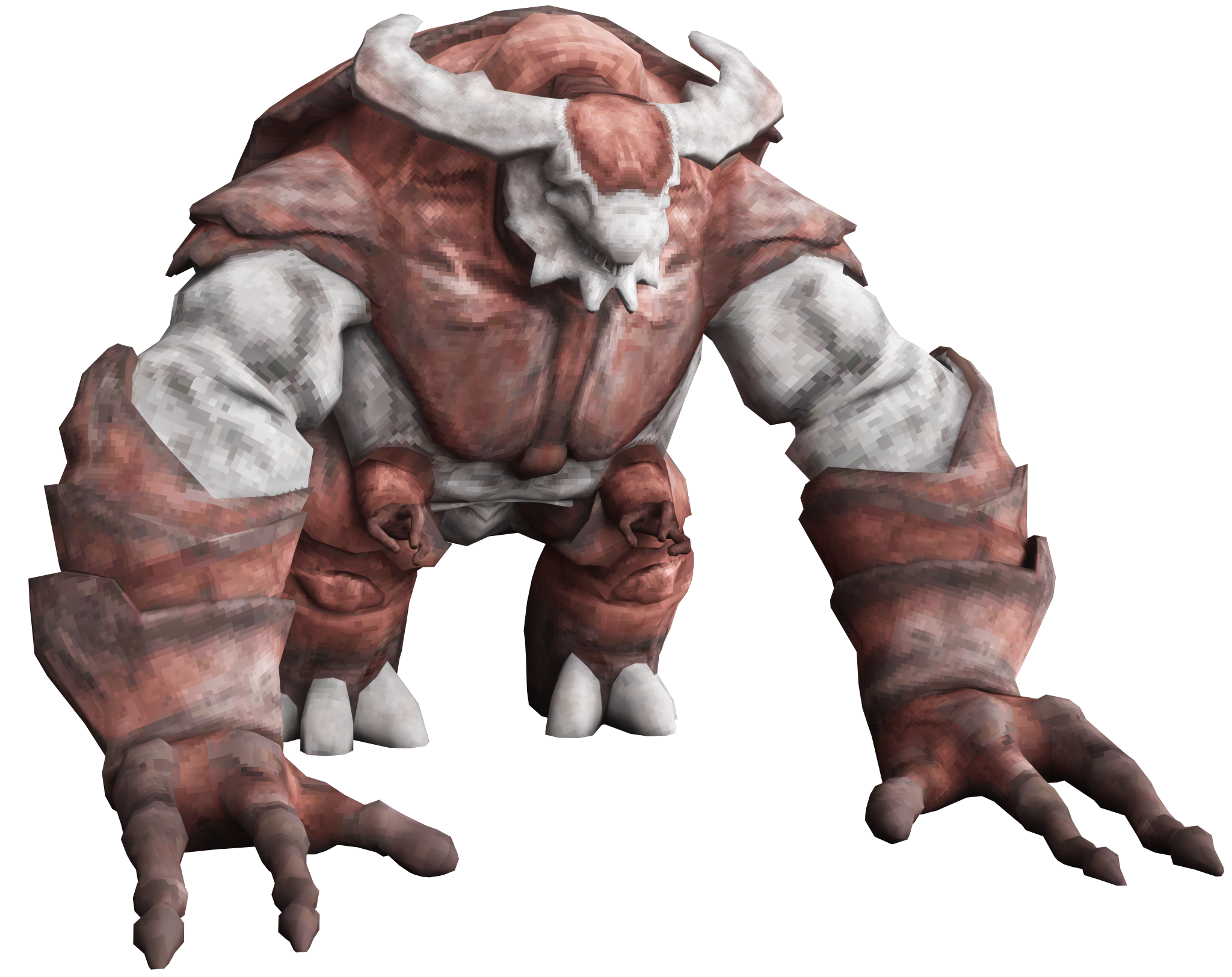
Its armor leaves only three exposed weak areas: the head, the tentacles on its chest, and the back flaps. The back flaps are only exposed when it kneels, and it kneels after the chest tentacles have taken enough damage. This makes sustained pressure on the chest a practical way to force the creature into a more vulnerable state. Because it is so resilient, substantial firepower is required, and traps or decoys can help redirect its aggression. A tamed Pest or an 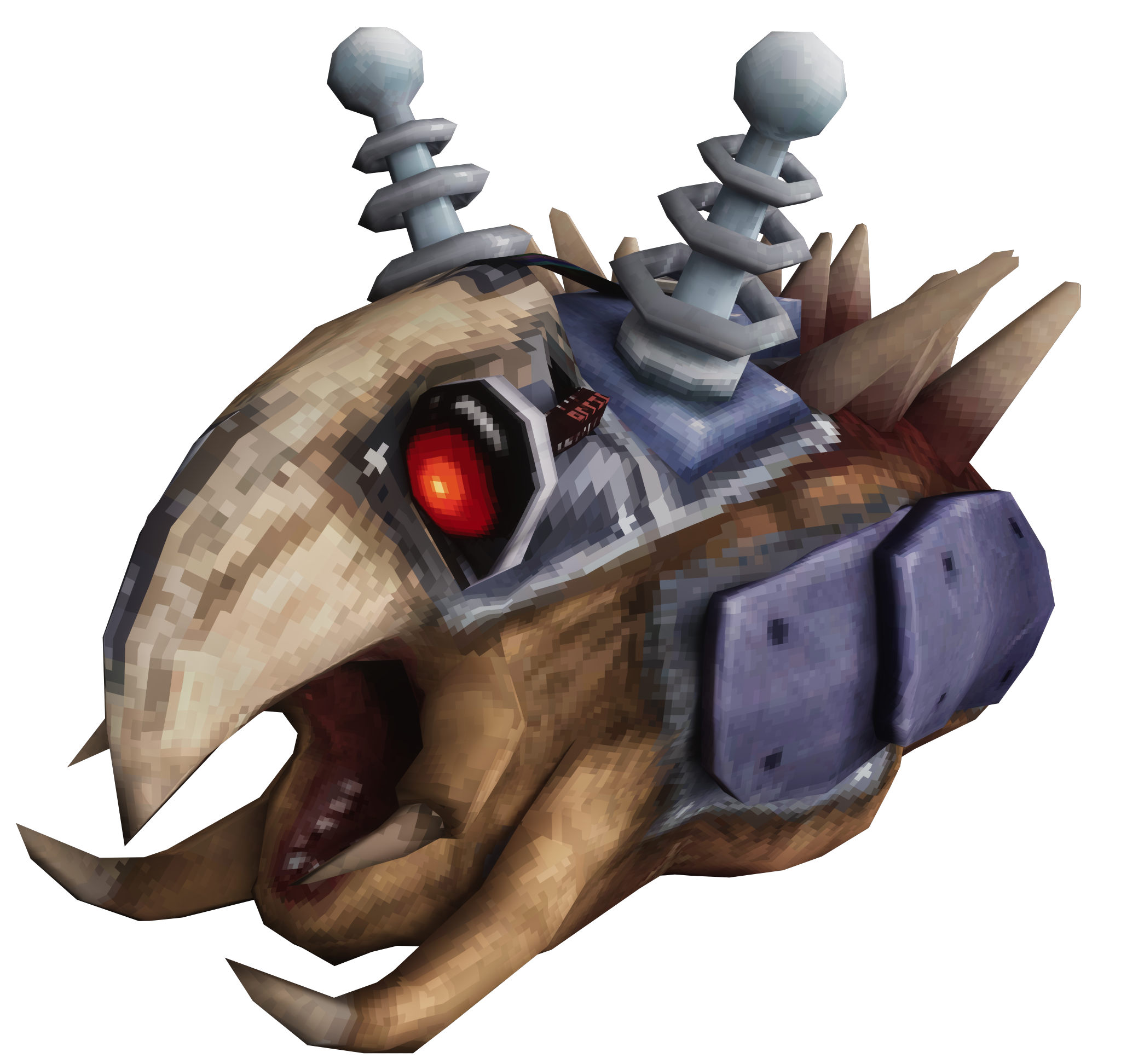
Tarasque will reappear seven in-game days after being defeated. If the area is unloaded and later revisited, its health resets, so players should be careful not to rely on partial damage persistence.
Tarasque drops Tarasque Ichor and Tarasque Skull, both at a 100% chance. The ichor is especially notable in GATE records, where its circulatory fluid is described as having exceptional capacitation properties and is being studied for its ability to store and rapidly discharge large amounts of energy. That makes the creature relevant not only as a combat threat, but also as a specimen of scientific interest.
According to GATE compendium records, Tarasque is designated IS-0121, with Behemoth recorded as a variant IS-0121-B. The same record notes that Tarasque is a near-microscopic creature in its home Anteverse 42, but a giant in A0, and that it continues to grow, with the full extent of its growth still unknown. The creature is also named after the French mythical monster of the same name, and its shape strongly suggests a design inspired by tardigrades.
Official description
The home anteverse of IS-0121 - the
Dr. Riggs' original report likened the vast, desolate realm to a 'ragged, dry ocean floor', composed of 'endless caverns, crevices, caves and collapsed spaces' presided over by 'mobile organisms of unimaginable size'.
It was not until the second expedition that field researchers concluded that most of the supposedly geological features were, in fact, the bodily remains of titanic creatures, their immense corpses overlaid across eons.
During this second foray, the primary TR team encountered the first recorded instance of IS-0121 on the deflated remains of a recently deceased, semi-dirigible herbivore. The
Following the encounter, the Executive Committee determined that the immensity of Anteverse XLII's lifeforms represented unacceptable risks, and recommended dispatching Gatekeeper teams for retrieving any further research subjects or data in the future.
DESIGNATION: Crucis (AG)
CONTAINMENT PROTOCOL: Containment facilities for IS-0121, like all non-aquatic specimens originating from Anteverse 42, require extensive material hardening.
For design and construction specifications, refer to GATE Megaspecimen and Holocaust Protection Manual (1.6.4.7). Only one IS-0121 specimen is to be contained per site and no gaseous exchange of more than 5ppm permitted between any two sites. Structural mass dampeners are suggested but not, at this stage, an essential requirement.
The
Due to an immense disjunction in scale, the
A variant - IS-0121-B or the
References to this (8)
Other entities of this type
- Adiabatic Queenfish
- Alpha Peccary
- Amaranthic IS-0098
- Antefish
- Archivist
- Armored Exor
- Assassin
- Auric Gutfish Eel
- Behemoth
- Big Hive Larva
- Big Larva
- Bigfoot
- Bigogi
- Bogman
- Bombogi
- Breacher
- Captain
- Carbuncle
- Caustic Radfish
- Chieftain
- Chordfish
- Close-Quarters Combatant
- Composer
- Containment Bot
... +91 (see sidebar for full list)