Swamp
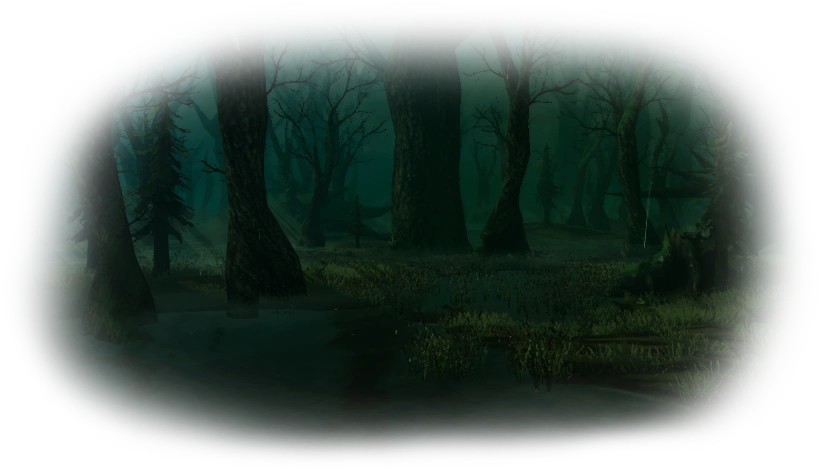
Overview
The Swamp is a dark, wet, and hostile biome where dense trees block out much of the light and frequent rain can leave the player with the Wet status, making travel and combat more difficult. It is one of the harsher midgame regions and is typically explored once the player is prepared for poison, sustained melee pressure, and poor visibility.
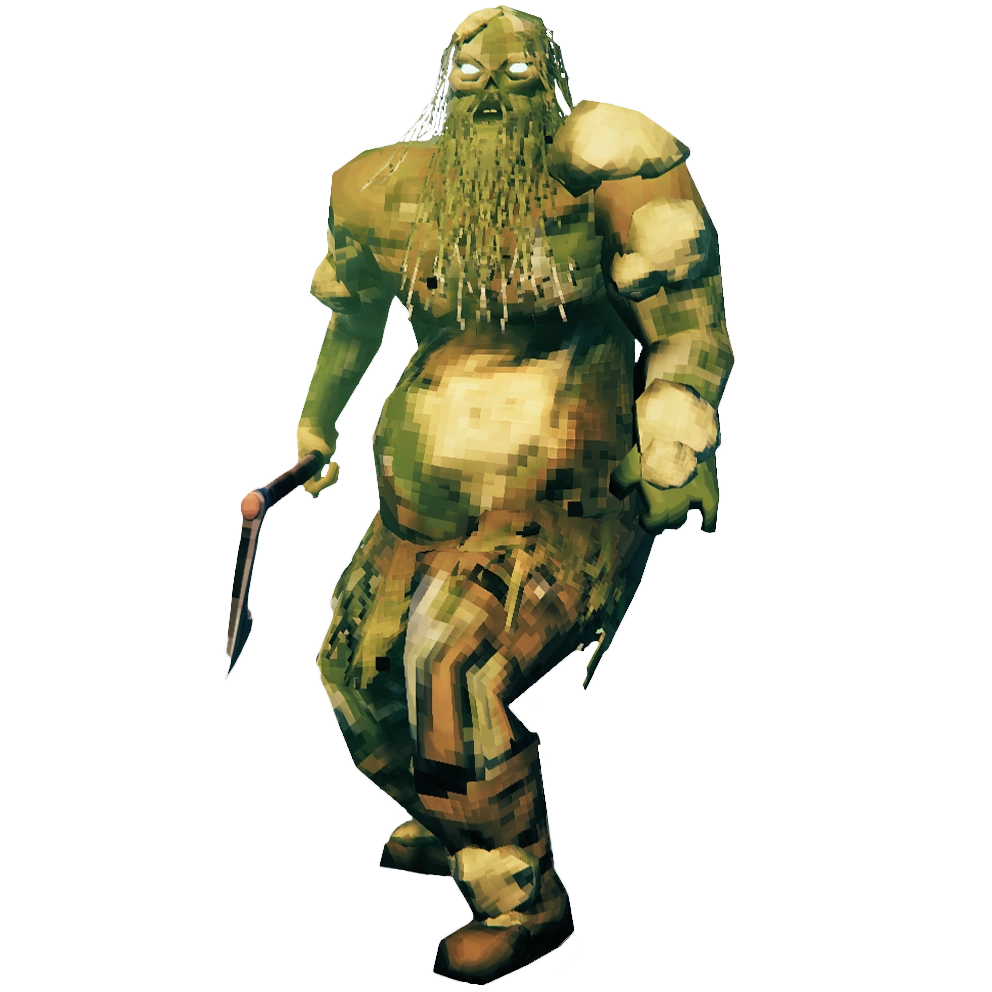
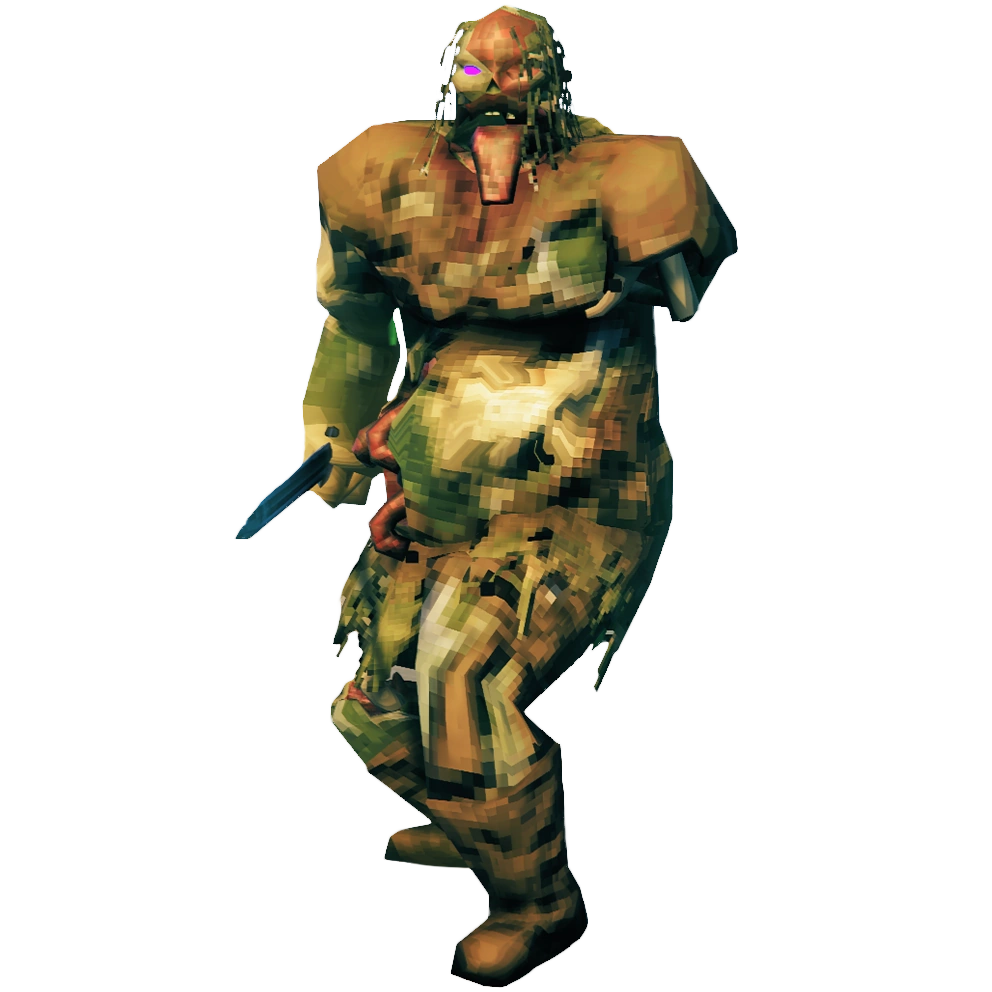
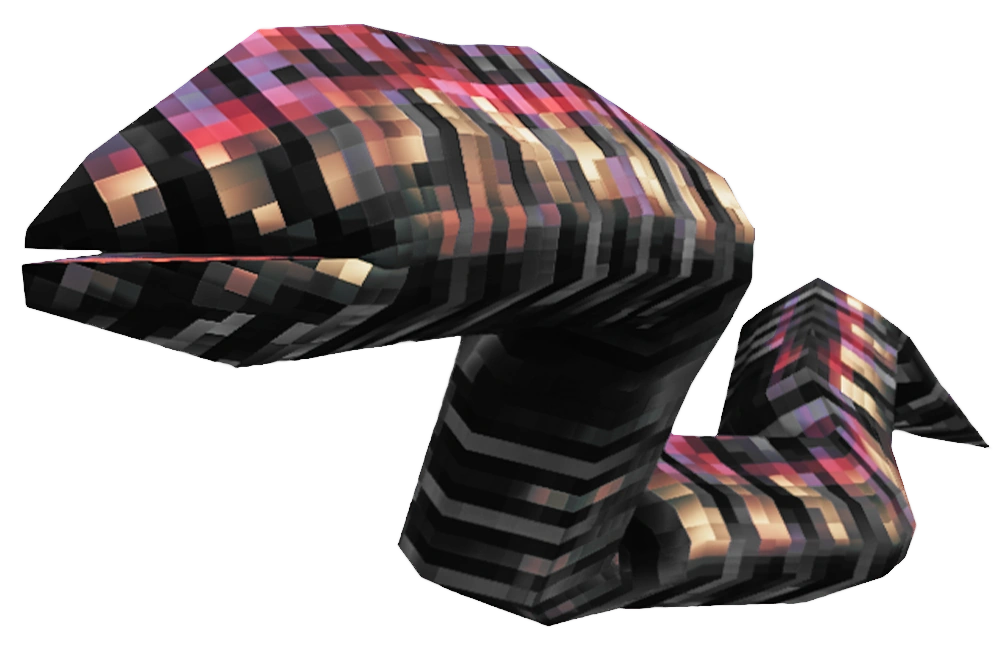
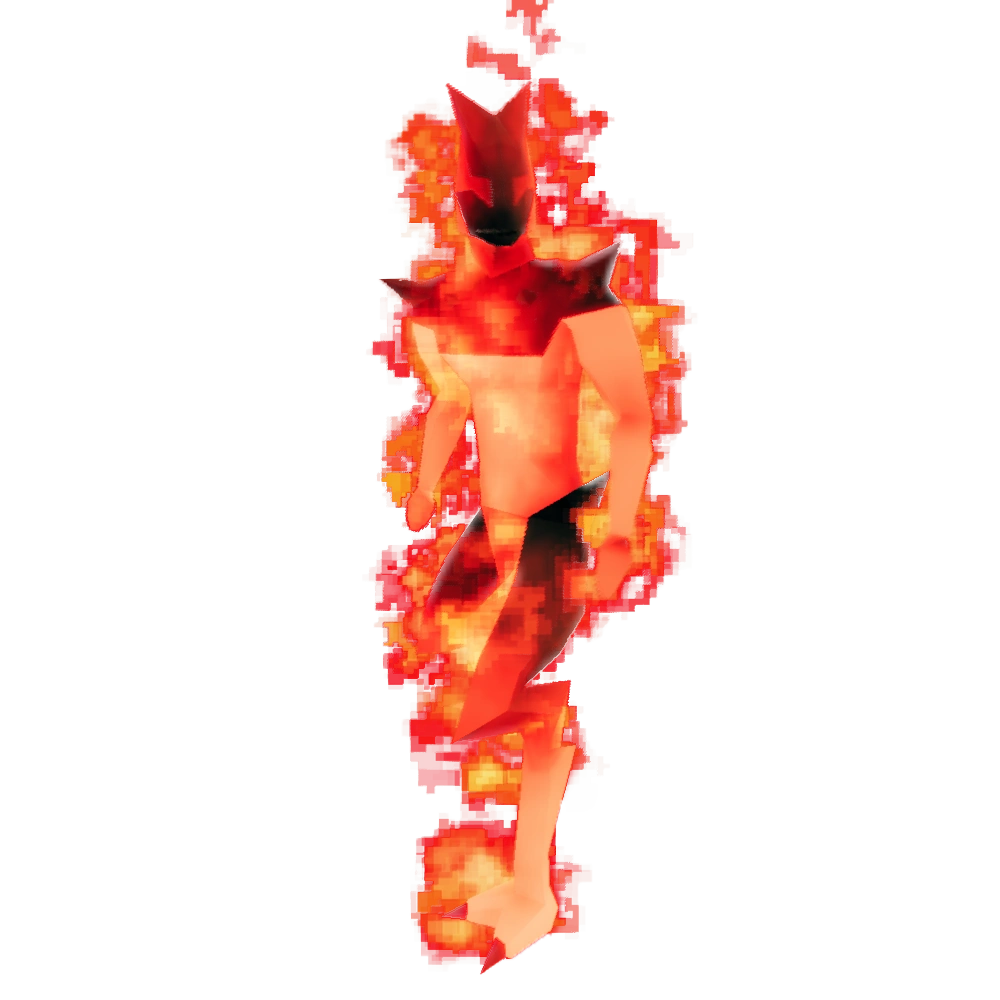
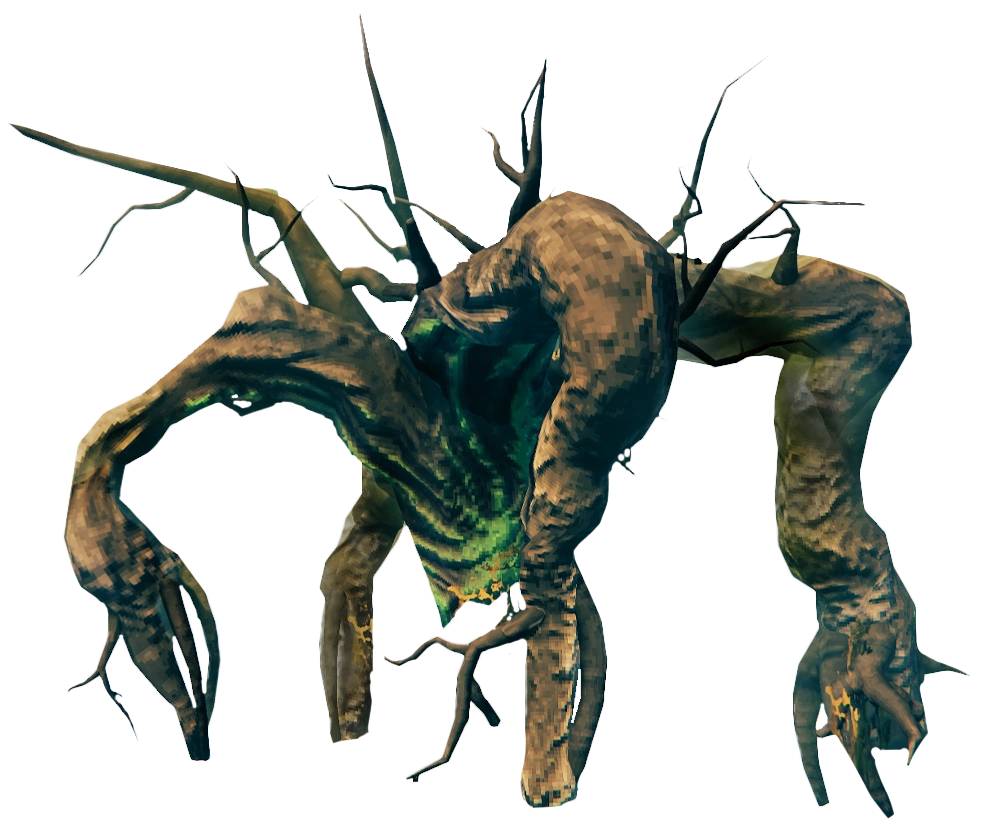
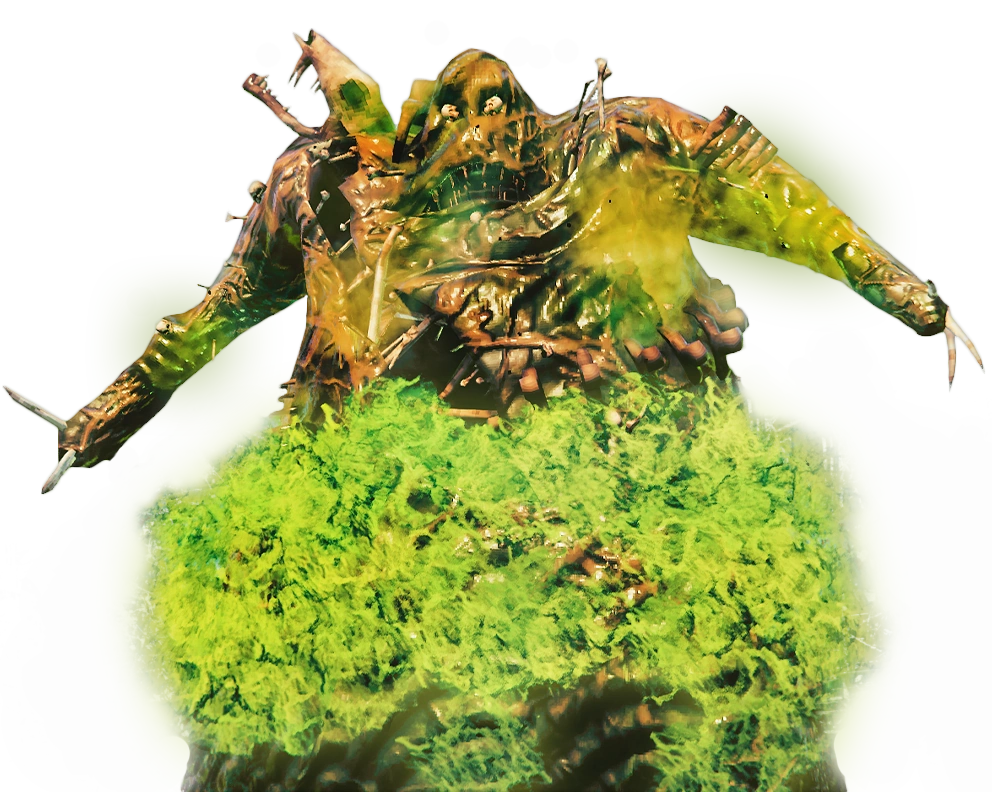
Swamps contain a mix of dangerous enemies and valuable progression materials. Hostile creatures found here include 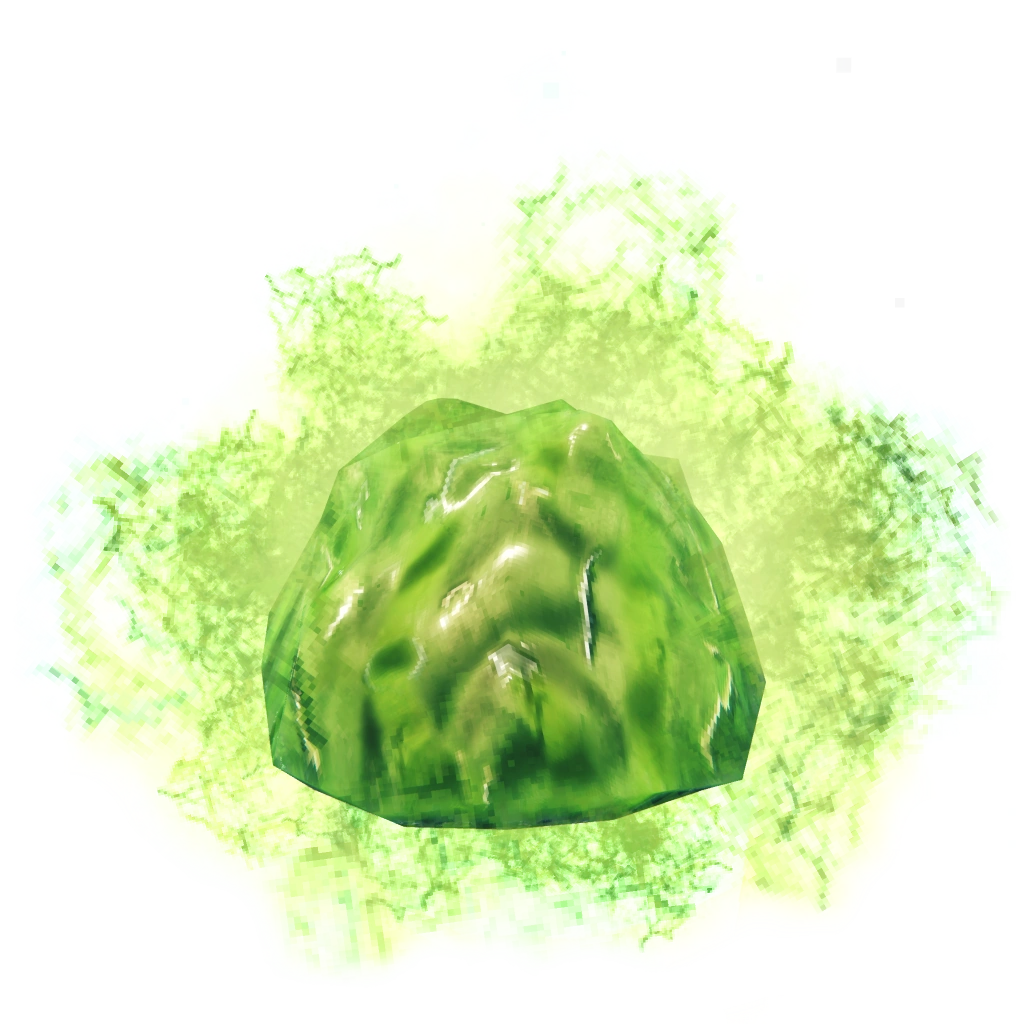
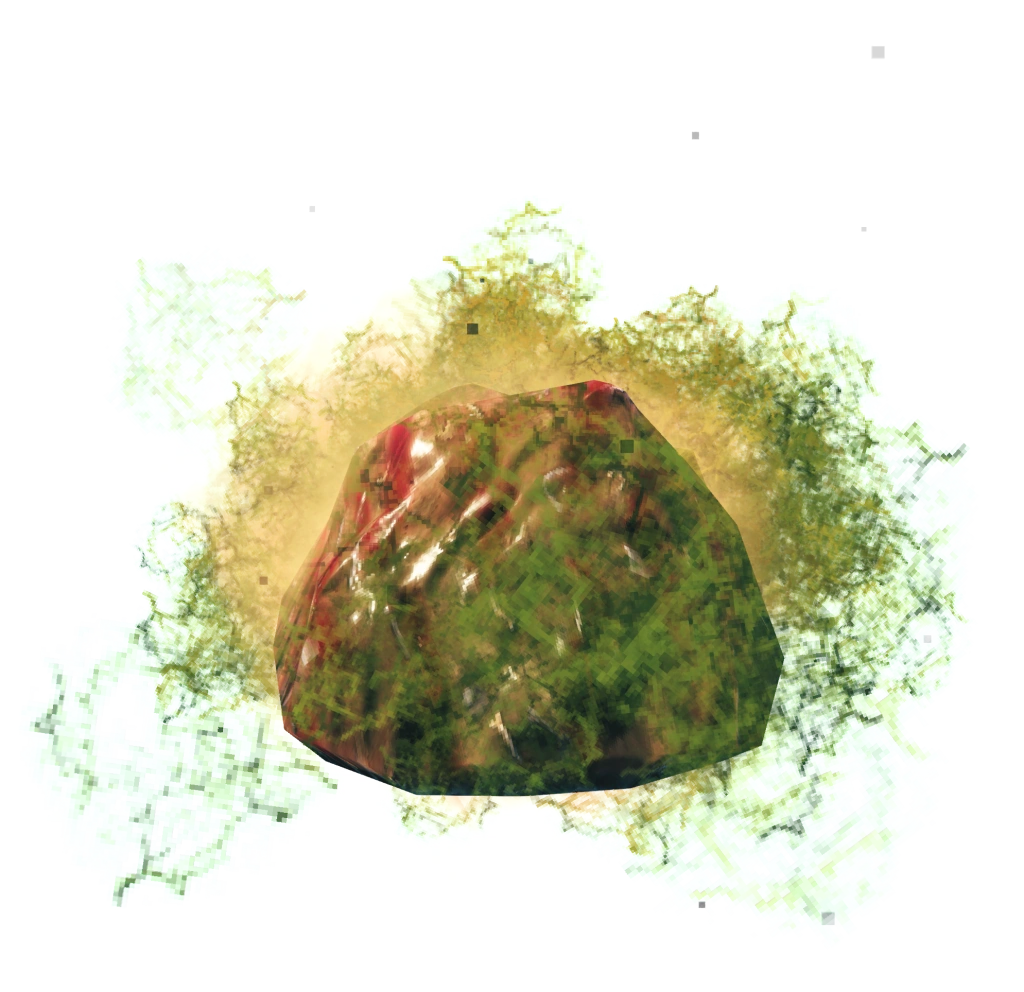

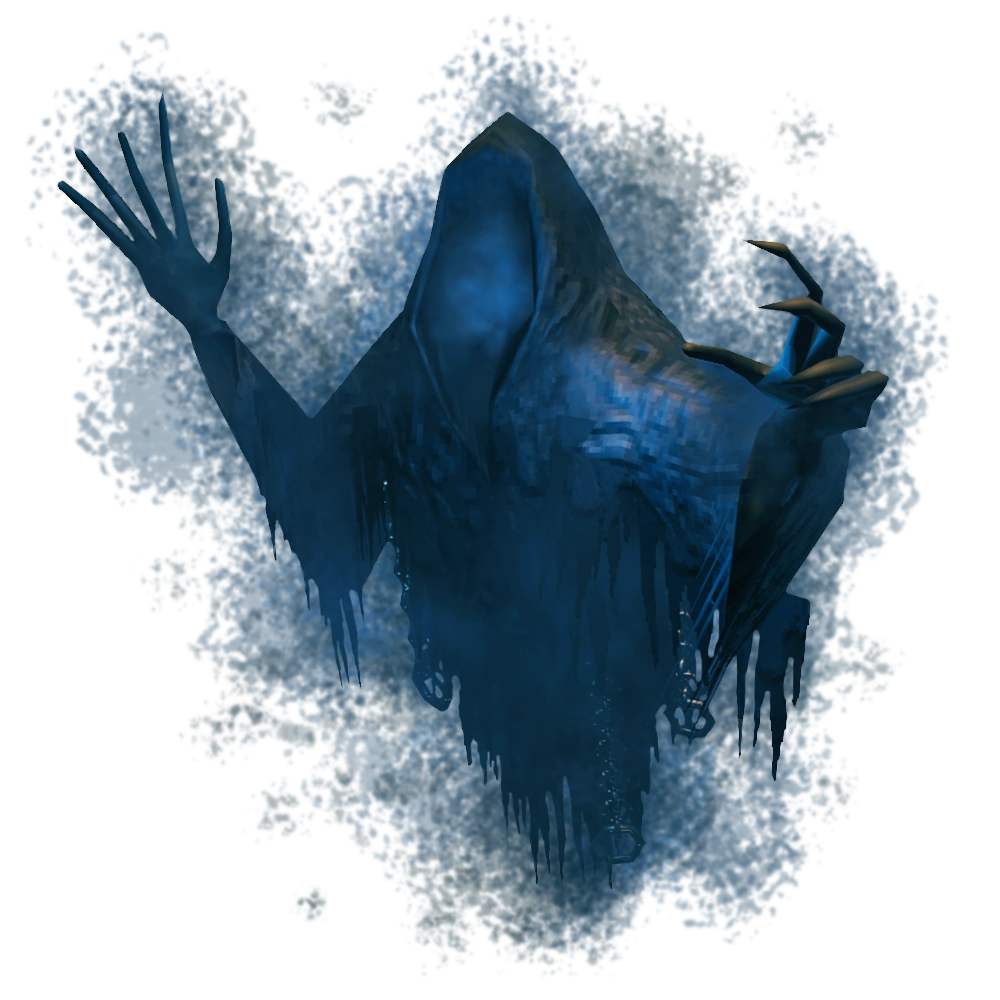
Key resources and loot from the Swamp include 


The biome contains several notable structures and points of interest:
- Sunken Crypts, which require a Swamp Key to open and are the main source of Scrap iron.
- Muddy scrap piles inside crypts, and sometimes on the surface, which can be mined for iron-bearing materials.
- Draugr villages and other ruined buildings, including wooden huts, raised pile structures, and rounded stone towers.
- Bone piles, Draugr altars, and body piles that function as spawn points for Skeletons, Draugr, and Draugr elites.
- Geysers with Surtlings running around them.
- Stone statues and Vegvisir markers that point to the location of the boss
- Wraith-haunted structures and burial-style sites in some ruined areas.
Exploration is often easier from a nearby 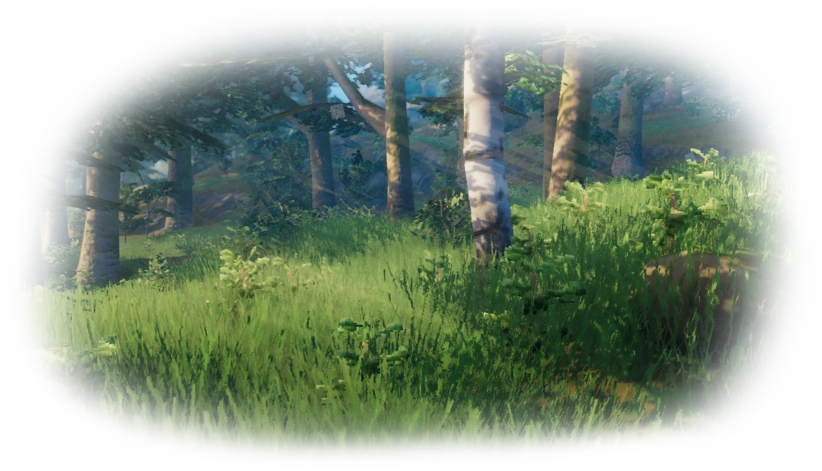
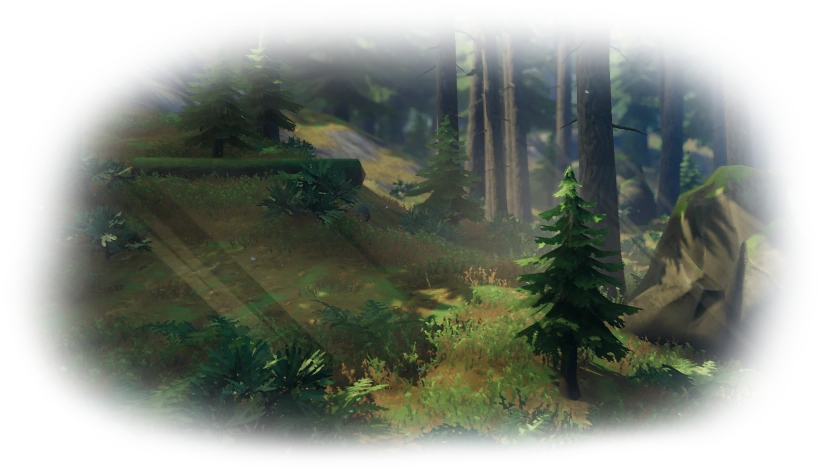
A few practical points make Swamp travel much more manageable:
- Bring poison resistance before fighting the local enemies.
- Expect limited visibility and slow, muddy movement.
- Use adjacent Meadows or Black Forest landings for a safer forward operating base.
- Search Sunken Crypts for iron; they are the Swamp’s most important source of progression materials.
- Surface mud piles can also be mined later, after the player has the tools to locate them reliably.
Some players use unintended methods to enter a Sunken Crypt without a key, such as placing a chair at the entrance and using the push interaction to clip through the gate. This can also work if an indestructible Ancient tree blocks the doorway, though such methods rely on glitches and may not remain functional.
References to this (30)
- buildingWisp Fountain
- creatureAbomination
- creatureBonemaw
- creatureDrake
- creatureDraugr
- creatureDraugr Elite
- creatureLeech
- creatureSurtling
- creatureWraith
- itemAncient Bark
- itemBear Paw
- itemBlack Forest Buffet Platter
- itemBloodbag
- itemBone Fragments
- itemChain
- itemCoal
- itemGuck
- itemIron
- itemLove Potion
- itemOnion
- itemOoze
- itemScrap Iron
- itemSwamp Dweller's Delight
- itemThe Elder Trophy
- itemThistle
- itemTurnip
- itemWhole Roasted Meadow Boar
- itemYellow Mushroom
- weaponIronhead Arrow
- weaponOoze Bomb