Ashlands
Overview
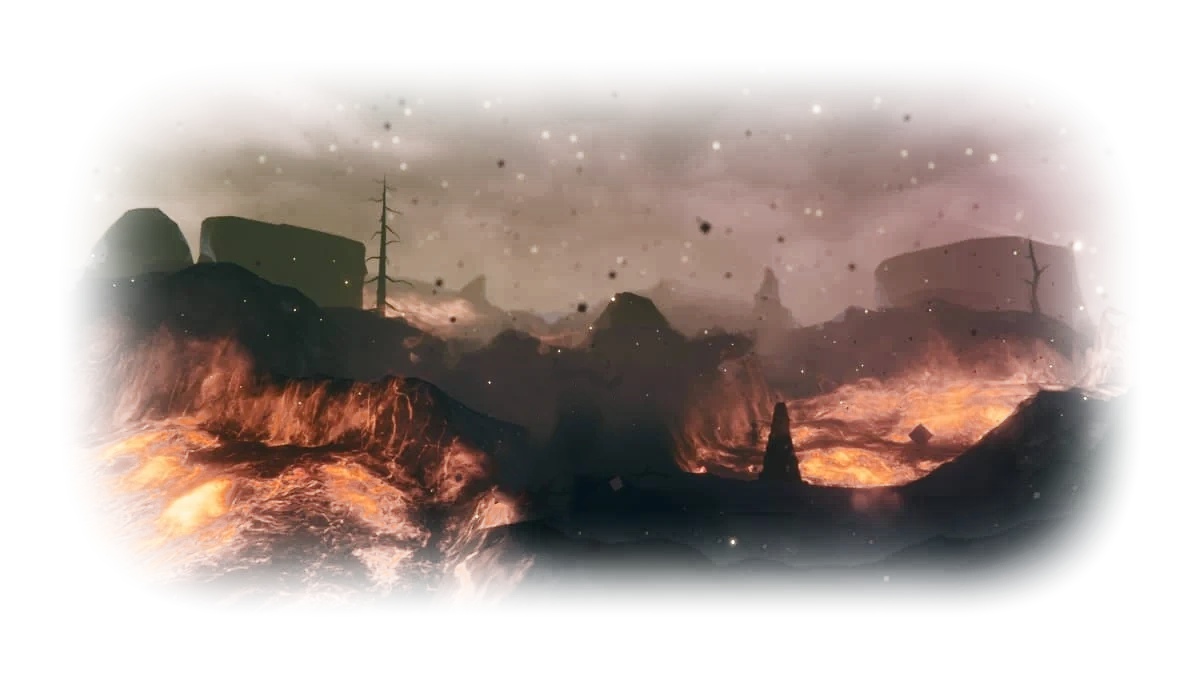
Ashlands is a late-game biome found at the far southern edge of the world, made up of harsh volcanic terrain, ruined structures, and isolated islands surrounded by boiling water. It is one of the most dangerous regions in Valheim, both because of the environmental hazards and because many enemies there are built around constant pressure and chaotic group fights.
The sea around Ashlands inflicts damage on boats based on how far they travel into the biome’s waters, reaching maximum blunt damage deeper in. Boiling water also builds heat on players who come into contact with it; once the heat threshold is reached, it deals 50 pure damage per second. While swimming, this limit is reached in about 28 seconds, while standing in contact with the water the buildup depends on how deep inside the biome the player is, reaching the limit in 42 seconds at the lowest point on the map and in 84 seconds toward the middle of Ashlands. The heat dissipates very quickly when the player is no longer touching the water. Heat resistance from Flametal Armor reduces both buildup and damage, and the hot tub is also affected by boiling water damage. Among boats, the Drakkar is the only one immune to boiling water damage.
Ashlands also has environmental fire pressure on land. Burning terrain can destroy Ashlands trees or logs, and the biome features ash rain that damages structures. Fire spreads between wooden structures, so bases must be built with that in mind. Player structures can also be used defensively: any player-made structure blocks spawns within a 20-meter radius, making spawnproofing a valuable way to reduce pressure around bases and events.
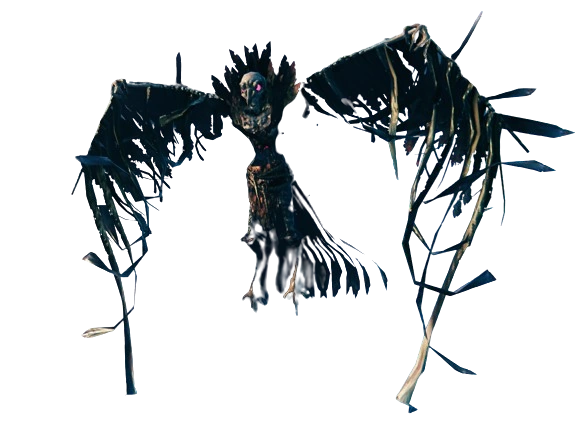
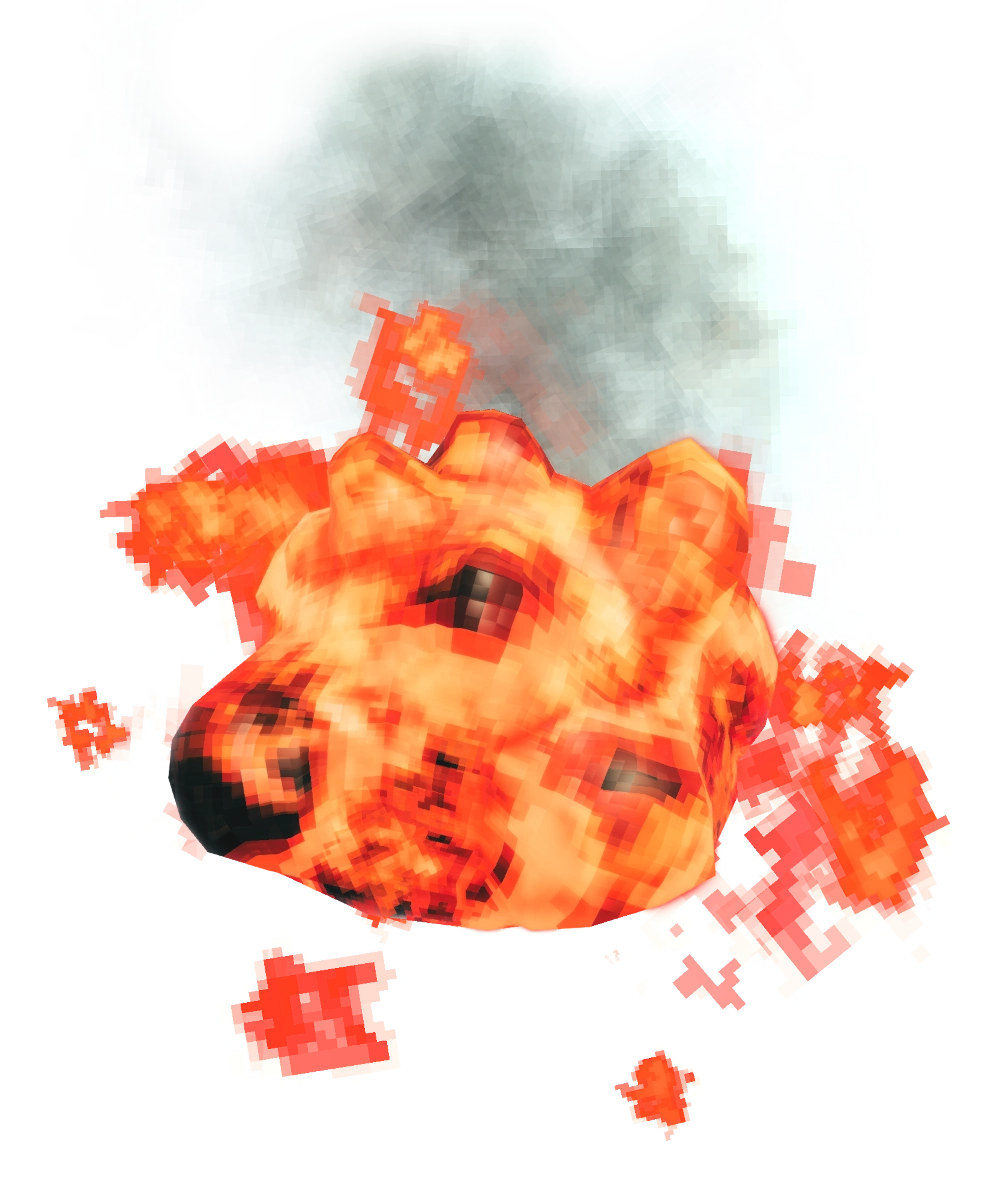
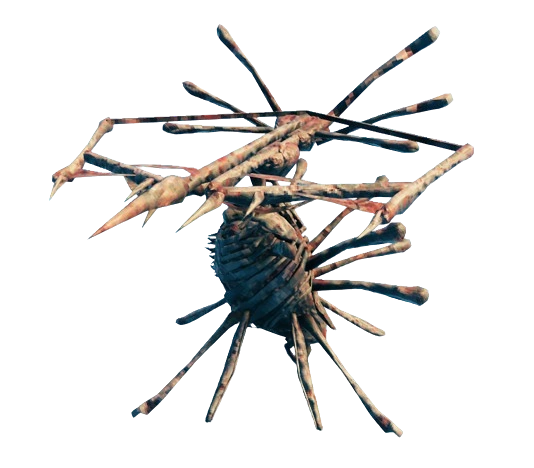
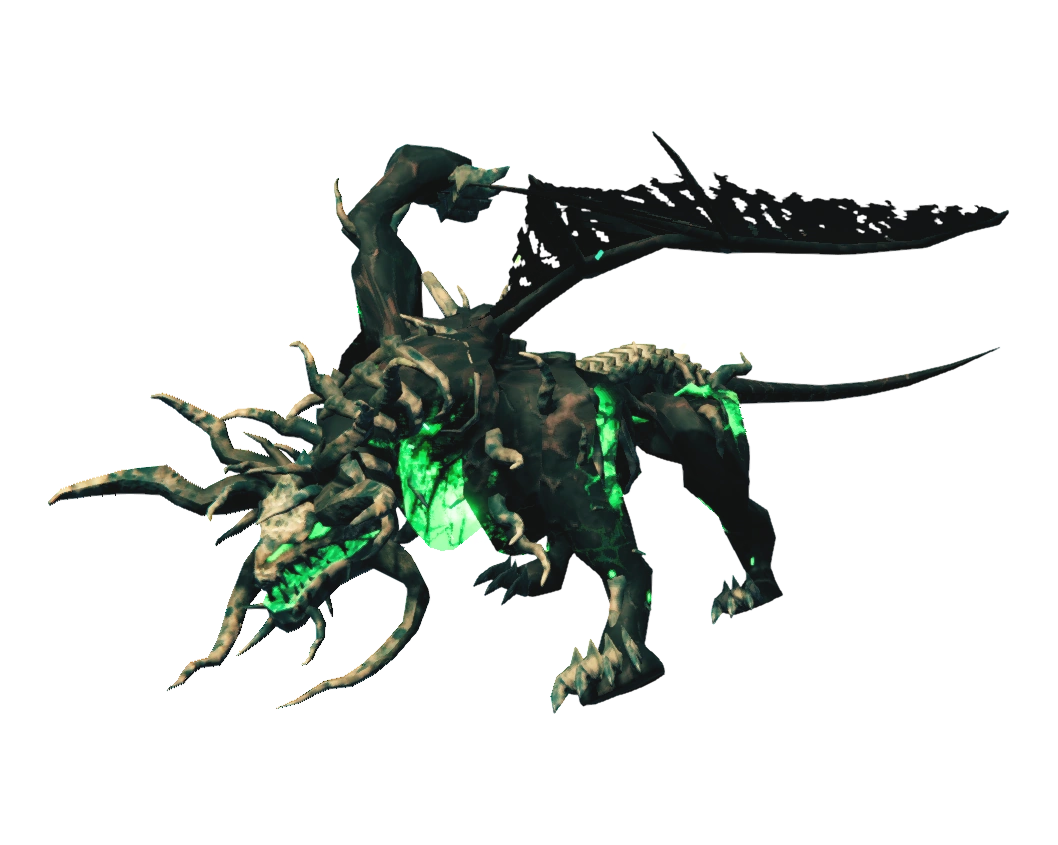
The biome’s enemy behavior is unusual because friendly fire is an intentional part of its design. Several enemies can damage other creatures, which makes crowd control and positioning especially important. This can be used to the player’s advantage, since many encounters are easier to survive by letting enemies harm each other. The biome’s hostile creatures include Charred variants, 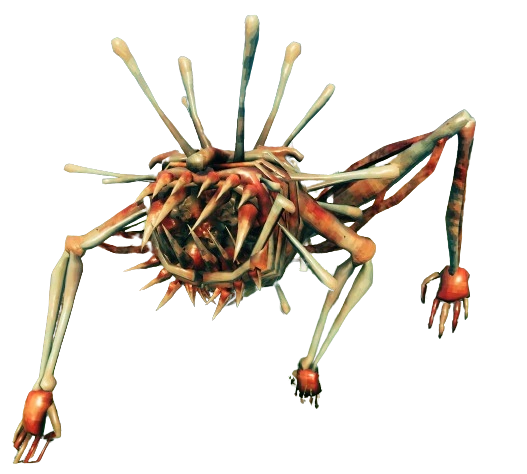



Ashlands rewards a cautious, mobile approach. Many fights can be avoided entirely, and coastal travel is safer because enemies only spawn on land. The biome strongly favors “pick your fights” tactics, and movement bonuses such as the 


Several fixed locations are especially useful. Putrid Holes are good recovery points once cleared, and it is worth marking them on the map. Charred Fortresses are major combat sites that can be farmed for important rewards, including 

The Ashlands is likely inspired by Muspelheim from Norse mythology, a fiery southern realm associated with Surtr.
References to this (30)
- armorFeather Cape
- buildingBlack Forge
- buildingCauldron
- buildingGem Cutter
- buildingMetal Cutter
- buildingObliterator
- buildingShield Generator
- creatureAshlands Dvergr
- creatureAsksvin
- creatureCharred Marksman
- creatureCharred Warlock
- creatureCharred Warrior
- creatureDeathsquito
- creatureDvergr Rogue
- creatureMorgen
- creatureSeeker Brood
- creatureSurtling
- creatureVolture
- itemAshlands Gourmet Bowl
- itemAshwood
- itemAsksvin Bladder
- itemAsksvin Hide
- itemAsksvin Neck
- itemAsksvin Pelvis
- itemAsksvin Ribcage
- itemBarber Kit
- itemBell Fragment
- itemBloodstone
- itemBone Fragments
- itemBonemaw Tooth